
Vacuum systems are integral to industries ranging from manufacturing to pharmaceuticals, where maintaining airtight connections is critical for efficiency and safety. Flexible pipe couplings play a pivotal role in these systems, bridging gaps between pipes, compensating for misalignment, and absorbing vibrations. However, selecting the right coupling requires careful consideration of multiple factors. This guide explores key criteria to help engineers, technicians, and procurement teams make informed decisions.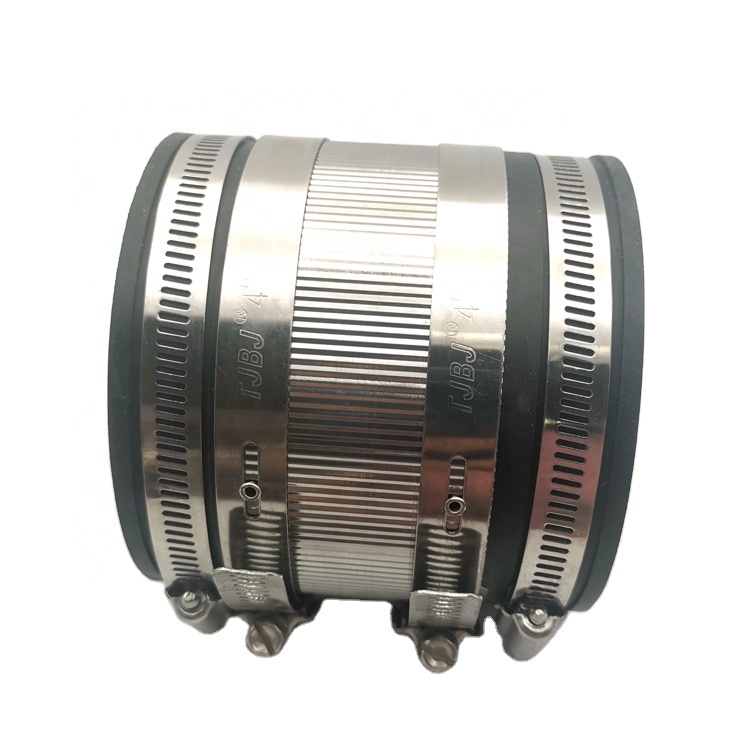
Understanding the Role of Flexible Pipe Couplings in Vacuum Systems
Flexible pipe couplings are designed to connect two pipes or components while allowing slight movement or angular adjustments. In vacuum applications, their primary function is to maintain system integrity under pressure differentials. Unlike rigid couplings, flexible variants accommodate thermal expansion, mechanical vibrations, and minor misalignments without compromising the vacuum seal.
The choice of coupling directly impacts system performance. A poorly selected coupling may lead to leaks, reduced vacuum efficiency, or premature component failure. Conversely, the right coupling ensures longevity, reliability, and optimal operational costs.
Key Factors to Evaluate When Choosing Couplings
Selecting a coupling involves balancing technical specifications with practical requirements. Below are the core considerations:
1. Material Compatibility with Vacuum Conditions
The materials used in couplings must withstand vacuum environments without degrading or outgassing. Common materials include stainless steel, certain polymers, and elastomers treated for low outgassing properties. For ultra-high vacuum (UHV) systems, metal-to-metal seals or all-metal couplings are preferred to avoid contamination risks.
Engineers should also assess chemical resistance if the system processes corrosive gases or liquids. For instance, fluoropolymer linings may be necessary in chemical vacuum applications.
2. Pressure and Temperature Ratings
Vacuum systems often operate under extreme conditions. Couplings must endure the system’s maximum and minimum pressure differentials without failing. For example, a coupling rated for 10-6 Torr may be unsuitable for a UHV system requiring 10-9 Torr.
Temperature fluctuations also affect coupling performance. Materials expand or contract with heat, potentially causing leaks. Couplings with wide temperature tolerances (e.g., -40°C to 200°C) are ideal for versatile applications.
3. Size and Connection Types
Couplings must match the pipe diameters and connection standards of the vacuum system. Common connection types include flanged, threaded, and clamp-style fittings. Flanged couplings offer robust seals but require precise alignment, while clamp-style variants allow quicker installation.
Mismatched sizes lead to turbulence or pressure drops, reducing vacuum efficiency. Always verify the coupling’s inner diameter (ID) and outer diameter (OD) against system specifications.
4. Flexibility and Misalignment Compensation
The degree of flexibility needed depends on the system’s layout. Some couplings allow axial, angular, or lateral movement, which is crucial for systems with thermal expansion or vibrating components. For example, bellows-type couplings excel at absorbing axial misalignment, while elastomeric couplings handle angular deviations.
However, excessive flexibility may compromise vacuum integrity. Engineers must strike a balance between mobility and rigidity based on the system’s dynamics.
5. Maintenance and Longevity
Vacuum systems often run continuously, making maintenance a challenge. Couplings with long service lives reduce downtime and replacement costs. Stainless steel couplings, for instance, resist corrosion and wear better than some polymers.
Additionally, consider ease of inspection. Some couplings feature transparent sections or modular designs that simplify leak detection without disassembly.
Common Pitfalls to Avoid
Even with careful planning, mistakes can occur. Here are three frequent errors:
Overlooking Outgassing: Using standard elastomers in UHV systems can introduce contaminants. Always prioritize low-outgassing materials.
Ignoring Vibration Sources: Unaddressed vibrations from pumps or machinery can fatigue couplings. Pair flexible couplings with vibration dampeners if needed.
Underestimating Installation Forces: Tightening couplings too aggressively may deform seals, while insufficient torque risks leaks. Follow manufacturer guidelines for torque specifications.
Industry-Specific Considerations
Different sectors impose unique demands:
Semiconductor Manufacturing: Requires ultra-clean couplings to prevent particle contamination. All-metal designs are common.
Pharmaceuticals: Needs couplings that withstand sterilization processes like autoclaving. Materials like 316L stainless steel are popular.
Aerospace: Prioritizes lightweight, high-strength couplings for vacuum chambers used in spacecraft testing.
Future Trends in Coupling Technology
Advancements in materials science and engineering are shaping the future of vacuum couplings:
Smart Couplings: Embedded sensors could monitor pressure, temperature, or wear in real time, enabling predictive maintenance.
3D-Printed Components: Custom couplings with optimized geometries for specific applications may become more accessible.
Sustainable Materials: Biodegradable elastomers or recyclable metals could reduce environmental impact without sacrificing performance.
Conclusion: Making the Right Choice
Selecting flexible pipe couplings for vacuum systems is a multifaceted process. By prioritizing material compatibility, pressure/temperature ratings, size, flexibility, and maintenance requirements, professionals can ensure seamless integration and long-term reliability. Avoiding common pitfalls and staying informed about industry trends further enhances decision-making.
 Tired of Replacing Torn Dock Bumpers? Does Steel-Reinforced Rubber Solve Your Problem?
 Looking for Dock Bumpers that Last? How Do Steel-Cornered Pads Cut Your Repair Costs?
 Need Maximum Durability? Why Choose a Rubber Laminated Bumper with Reinforced Steel Corners?
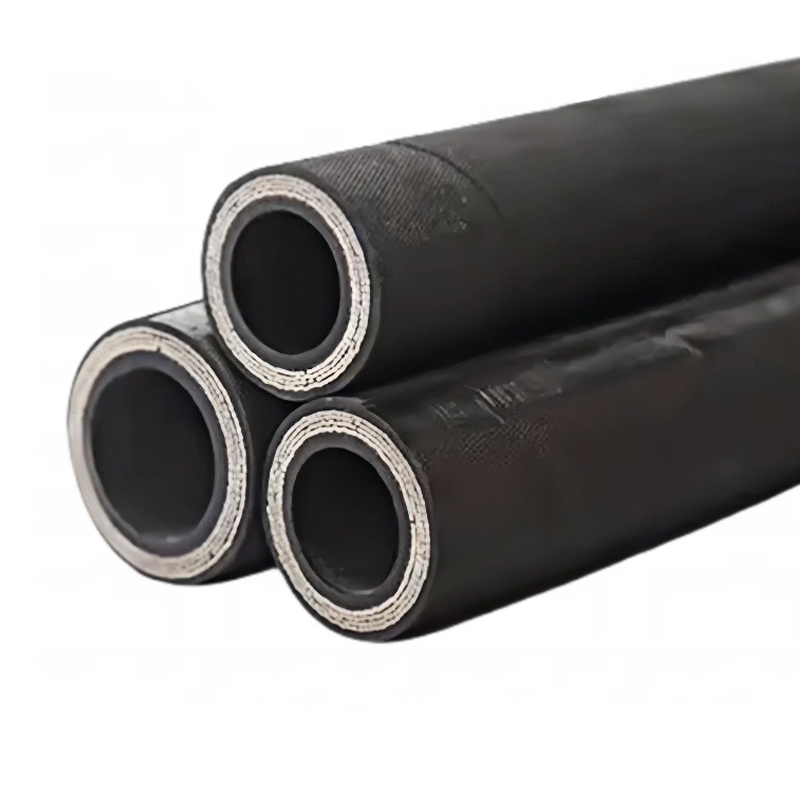 What's the True ROI of Upgrading to Spiral Hydraulic Hose? A Cost-Benefit Analysis