
The shipbuilding industry demands precision, durability, and adaptability in every component, especially when it comes to piping systems. Among the unsung heroes of maritime engineering are flexible pipe couplings—critical connectors that ensure seamless fluid transfer while accommodating the dynamic stresses of marine environments. This article explores how these couplings are revolutionizing shipbuilding projects, from enhancing operational efficiency to meeting stringent safety standards.
The Role of Flexible Pipe Couplings in Modern Ships
In the intricate network of pipes aboard a vessel, rigid connections alone cannot withstand the constant vibrations, thermal expansions, and misalignments caused by waves, engine movements, and changing temperatures. Flexible pipe couplings act as shock absorbers, bridging gaps between pipes while allowing controlled movement. This flexibility prevents leaks, reduces wear, and extends the lifespan of plumbing systems.
Shipbuilders prioritize couplings that balance strength with adaptability. For instance, in engine rooms where high-pressure steam or fuel lines operate, couplings must endure extreme conditions without compromising performance. Similarly, in ballast systems, they ensure smooth water flow during loading and unloading, even as the ship’s weight shifts. By integrating these components early in the design phase, engineers can optimize layouts and minimize maintenance costs over a vessel’s lifecycle.
Overcoming Challenges in Marine Piping Systems
Maritime environments present unique challenges, including corrosion from saltwater, exposure to UV radiation, and tight installation spaces. Traditional rigid couplings often fail under such stress, leading to costly repairs and downtime. Flexible couplings, however, are engineered with materials like reinforced rubber, stainless steel, or advanced polymers that resist corrosion and withstand harsh conditions.
Another hurdle is noise reduction. Ships generate significant vibrations, which can amplify through rigid piping, disturbing passengers and crew. Flexible couplings dampen these vibrations, creating quieter, more comfortable interiors. This feature is particularly valuable in cruise liners and research vessels, where acoustic comfort is a priority.
Moreover, modular design allows couplings to be easily installed or replaced in confined spaces, reducing labor costs and project delays. Shipbuilders appreciate components that simplify logistics without sacrificing reliability.
Key Features of High-Quality Flexible Couplings
Not all couplings are created equal. Top-tier models offer several advantages:
Wide Temperature Tolerance: From Arctic voyages to tropical climates, couplings must remain functional in extreme heat or cold.
Pressure Resistance: High-pressure applications, such as hydraulic systems, require couplings that maintain integrity under duress.
Leak-Proof Seals: Advanced gaskets and compression fittings prevent fluid loss, a critical safety factor in fuel or chemical lines.
Customization Options: Manufacturers now offer couplings in various sizes, shapes, and materials to suit specific ship designs.
For example, some couplings incorporate swivel joints to accommodate angular misalignments, while others feature quick-release mechanisms for emergency repairs. These innovations reflect the industry’s drive toward efficiency and safety.
Environmental and Safety Compliance
In an era of tightening regulations, shipbuilders must adhere to international maritime standards, including those set by the International Maritime Organization (IMO). Flexible couplings play a pivotal role in meeting these requirements. By preventing leaks, they reduce the risk of oil spills and chemical contamination, protecting marine ecosystems.
Additionally, couplings designed for fire resistance enhance ship safety. In the event of a fire, these components can withstand high temperatures long enough to allow evacuation or firefighting efforts. This feature is mandatory in passenger vessels and offshore platforms, where human lives are at stake.
Cost-Effectiveness and Long-Term Savings
While flexible couplings may have a higher upfront cost than rigid alternatives, their long-term benefits justify the investment. Reduced maintenance needs, fewer replacements, and lower energy consumption (due to smoother fluid flow) translate to significant savings over a ship’s operational life.
For instance, a study by a leading maritime consultancy found that ships using advanced couplings experienced 30% fewer piping-related failures over a decade compared to those using traditional systems. This reliability also minimizes insurance premiums, as insurers reward vessels with proven safety records.
Future Trends in Flexible Coupling Technology
The shipbuilding industry is evolving rapidly, driven by demands for sustainability and automation. Future couplings may incorporate smart sensors to monitor pressure, temperature, and wear in real time, alerting crew to potential issues before they escalate. This proactive approach could further reduce downtime and enhance safety.
Additionally, advancements in 3D printing and composite materials may lead to lighter, stronger couplings that improve fuel efficiency. As ships strive to meet emissions targets, every ounce of weight saved contributes to lower carbon footprints.
Case Study: A Success Story in Commercial Shipbuilding
Consider a recent project involving a large container ship. The vessel’s original design included rigid couplings in its cooling system, which frequently failed due to thermal expansion. After retrofitting with flexible couplings, the ship reported zero leaks during a 12-month trial, despite traversing diverse climates. The crew also noted quieter engine rooms and reduced maintenance hours, freeing up resources for other tasks.
This example underscores the transformative impact of flexible couplings. By addressing root causes of failure—rather than merely treating symptoms—shipbuilders can create more resilient, efficient vessels.
Conclusion: The Future Is Flexible
Flexible pipe couplings are no longer optional add-ons in shipbuilding; they are indispensable components that drive reliability, safety, and cost-efficiency. As the industry navigates challenges like environmental regulations and technological disruption, these couplings will remain at the forefront of innovation.
 Tired of Replacing Torn Dock Bumpers? Does Steel-Reinforced Rubber Solve Your Problem?
 Looking for Dock Bumpers that Last? How Do Steel-Cornered Pads Cut Your Repair Costs?
 Need Maximum Durability? Why Choose a Rubber Laminated Bumper with Reinforced Steel Corners?
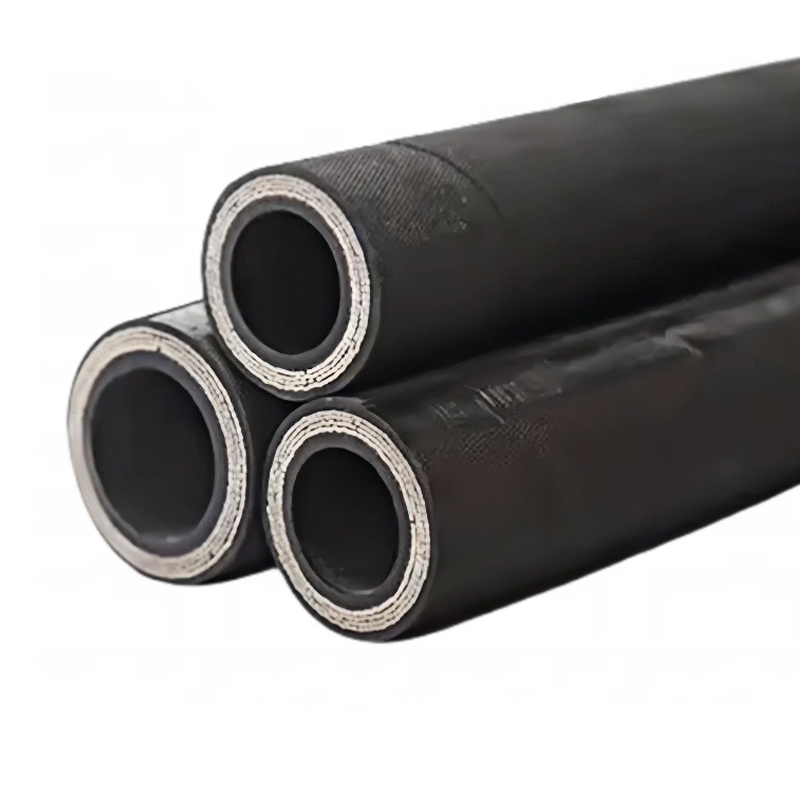 What's the True ROI of Upgrading to Spiral Hydraulic Hose? A Cost-Benefit Analysis