
The chemical processing industry is a cornerstone of modern manufacturing, enabling the production of countless essential products, from pharmaceuticals to plastics. However, the harsh environments and hazardous materials involved in these processes demand robust, reliable infrastructure. One critical component often overlooked is the pipe coupling—a small but vital part that ensures seamless connectivity between pipes. Among the various types available, flexible pipe couplings have emerged as a game-changer, offering unparalleled adaptability and durability. This article explores the significance of flexible pipe couplings in chemical processing, their benefits, applications, and future trends.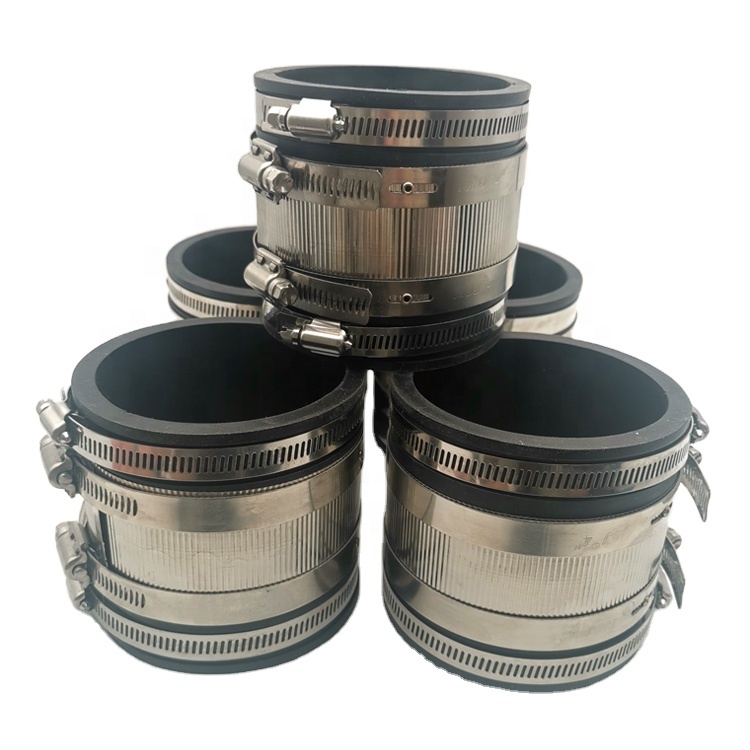
The Role of Pipe Couplings in Chemical Processing
Pipe couplings are essential for joining sections of piping systems, ensuring the safe and efficient transport of fluids. In chemical processing, these fluids can range from corrosive acids to volatile gases, making the choice of coupling critical. Traditional rigid couplings, while effective in static environments, struggle with the thermal expansion, vibration, and misalignment common in industrial settings. Flexible pipe couplings, on the other hand, are designed to absorb these stresses, preventing leaks and reducing maintenance costs.
Their ability to accommodate slight misalignments between pipes also simplifies installation, especially in complex or retrofit projects. This flexibility not only enhances system reliability but also extends the lifespan of piping infrastructure, a key consideration in industries where downtime can be costly.
Key Advantages of Flexible Pipe Couplings
Resistance to Corrosion and Chemicals
Chemical processing often involves highly reactive substances that can degrade materials over time. Flexible couplings made from specialized alloys or polymers resist corrosion, ensuring longevity even in aggressive environments. This durability reduces the need for frequent replacements, lowering operational costs.
Vibration and Shock Absorption
Pumps, compressors, and other machinery in chemical plants generate vibrations that can stress pipe joints. Flexible couplings act as dampeners, absorbing these movements and preventing fatigue failure. This feature is particularly important in systems handling high-pressure or high-temperature fluids.
Thermal Expansion Compensation
Temperature fluctuations cause pipes to expand and contract, potentially leading to joint failure. Flexible couplings accommodate these changes without compromising the seal, maintaining system integrity. This is especially valuable in plants where processes involve rapid heating or cooling cycles.
Ease of Installation and Maintenance
Unlike rigid couplings that require precise alignment, flexible couplings can be installed quickly, even in tight spaces. Their modular design also allows for easy disassembly during maintenance, minimizing disruption to operations.
Applications in Chemical Processing Plants
Flexible pipe couplings are used across various stages of chemical processing:
Raw Material Transport: Moving corrosive liquids or gases from storage to processing units.
Reactor Systems: Connecting vessels where chemical reactions occur, often under extreme conditions.
Waste Management: Handling effluents and byproducts that may contain abrasive particles.
Utility Lines: Supporting steam, cooling water, and other auxiliary systems critical to plant operations.
In each of these applications, the coupling’s ability to withstand harsh conditions while maintaining a secure connection is invaluable.
Choosing the Right Flexible Pipe Coupling
Selecting the appropriate coupling depends on several factors:
Material Compatibility: The coupling must resist degradation from the chemicals it will transport.
Pressure and Temperature Ratings: Ensuring the coupling can handle the system’s operating parameters.
Size and Configuration: Matching the coupling to the pipe diameter and type (e.g., flanged, threaded).
Regulatory Compliance: Adhering to industry standards such as ASME or API for safety and performance.
Plant engineers often collaborate with manufacturers to customize couplings for specific applications, ensuring optimal performance.
Innovations in Flexible Coupling Technology
Advancements in materials science and engineering have led to next-generation flexible couplings:
High-Performance Elastomers: New rubber compounds offer improved resistance to chemicals and temperature extremes.
Metal Bellows Designs: For ultra-high-pressure applications, metal bellows couplings provide a leak-tight seal while maintaining flexibility.
Smart Couplings: Some models now incorporate sensors to monitor wear, temperature, or pressure, enabling predictive maintenance.
These innovations address evolving industry needs, such as the push toward more sustainable and efficient processes.
Environmental and Safety Considerations
In chemical processing, environmental and safety risks are ever-present. Flexible couplings mitigate these risks by:
Preventing Leaks: A secure coupling reduces the likelihood of hazardous spills, protecting workers and the environment.
Reducing Emissions: Tight seals prevent fugitive emissions of volatile organic compounds (VOCs), a growing concern in regulatory compliance.
Enhancing Plant Safety: By absorbing shocks and vibrations, couplings help prevent catastrophic failures that could endanger personnel.
As environmental regulations tighten, the role of reliable couplings in maintaining compliance becomes increasingly critical.
Future Trends in Chemical Processing Piping Systems
The chemical industry is constantly evolving, driven by demands for efficiency, sustainability, and innovation. Future trends in flexible pipe couplings include:
Integration with Industry 4.0: Couplings equipped with IoT sensors will provide real-time data, enabling smarter maintenance strategies.
Lightweight Materials: Advances in composites and alloys will lead to lighter, stronger couplings that reduce installation costs.
Modular Designs: Couplings that can be easily reconfigured or upgraded will support flexible manufacturing processes.
Sustainable Manufacturing: Couplings produced using eco-friendly materials and processes will align with corporate sustainability goals.
As the industry adapts to these changes, flexible couplings will remain a vital component of safe, efficient operations.
Conclusion
Flexible pipe couplings are a testament to how small innovations can drive significant improvements in complex industries. In chemical processing, their ability to withstand harsh conditions, reduce maintenance, and enhance safety makes them indispensable. As technology advances, these couplings will continue to evolve, meeting the ever-changing demands of the chemical industry. For plant operators and engineers, investing in high-quality flexible couplings is not just a matter of efficiency—it’s a commitment to safety, sustainability, and long-term success.
 Tired of Replacing Torn Dock Bumpers? Does Steel-Reinforced Rubber Solve Your Problem?
 Looking for Dock Bumpers that Last? How Do Steel-Cornered Pads Cut Your Repair Costs?
 Need Maximum Durability? Why Choose a Rubber Laminated Bumper with Reinforced Steel Corners?
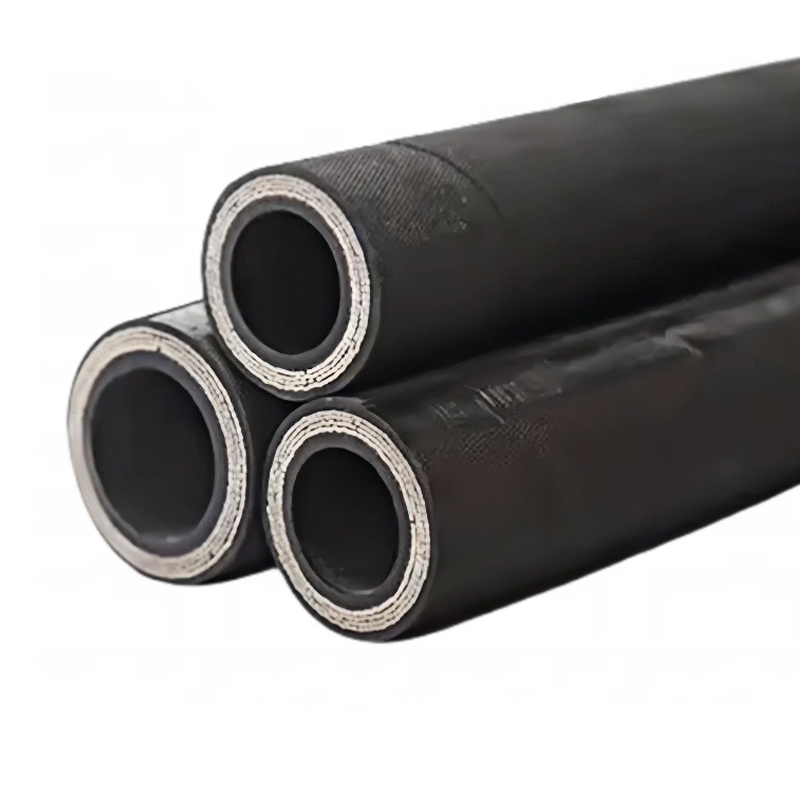 What's the True ROI of Upgrading to Spiral Hydraulic Hose? A Cost-Benefit Analysis