
Flexible pipe couplings are critical components in plumbing, HVAC, and industrial piping systems. Designed to connect pipes while accommodating movement, vibration, and misalignment, these devices help prevent leaks and system failures. However, many property owners and facility managers wonder whether these couplings require annual inspections to ensure longevity and safety. This article explores the necessity of routine checks, potential risks of neglect, and best practices for maintaining flexible pipe couplings.
The Role of Flexible Pipe Couplings in Piping Systems
Flexible pipe couplings serve as connectors between pipes, allowing for slight adjustments in alignment while sealing joints to prevent fluid or gas leaks. Unlike rigid couplings, they can absorb thermal expansion, ground movement, and vibrations, making them ideal for applications in residential, commercial, and industrial settings.
Their flexibility stems from materials like rubber gaskets, stainless steel bands, or engineered polymers, which compress to form a tight seal. While durable, these components are not immune to wear, corrosion, or environmental damage. Over time, factors like water pressure fluctuations, chemical exposure, or physical stress can degrade their performance.
Common Causes of Coupling Failure
Understanding why couplings fail is key to determining inspection frequency. Several factors contribute to degradation:
Material Degradation: Rubber gaskets may harden, crack, or shrink due to age, UV exposure, or chemical contact.
Corrosion: Metal bands or fasteners can rust, especially in humid or corrosive environments.
Over-Tightening: Excessive torque during installation can damage gaskets or distort the coupling’s structure.
Misalignment: Pipes that shift due to settling or vibration can strain couplings, leading to leaks.
Environmental Stress: Extreme temperatures, freeze-thaw cycles, or exposure to abrasive materials can accelerate wear.
While some couplings are designed for long-term use without intervention, ignoring these factors increases the risk of sudden failure, which could result in costly repairs or safety hazards.
Do Annual Inspections Make Sense?
The question of annual inspections hinges on the system’s criticality, environmental conditions, and local regulations. Here’s a breakdown:
1. Critical Systems vs. Non-Critical Systems
In high-stakes environments like hospitals, data centers, or industrial plants, even minor leaks can disrupt operations or compromise safety. Annual inspections are often standard practice here. Conversely, residential systems or low-risk applications (e.g., irrigation lines) may not require yearly checks, though periodic monitoring is still advisable.
2. Environmental Factors
Couplings in harsh conditions—such as underground, near coastal areas, or in chemical processing plants—face accelerated wear. Annual inspections help identify issues like corrosion or gasket deterioration before they escalate.
3. Regulatory and Insurance Requirements
Some municipalities or industries mandate annual inspections for plumbing or mechanical systems. Insurance policies may also stipulate maintenance schedules to avoid coverage disputes.
4. Cost-Benefit Analysis
While inspections incur costs, they pale in comparison to emergency repairs or water damage restoration. For example, a failed coupling in a multi-story building could flood floors, damage electronics, and disrupt business for days.
Signs That a Coupling Needs Immediate Attention
Even without annual inspections, operators should watch for red flags:
Visible Leaks: Drips or pooling water around couplings indicate a failed seal.
Corrosion or Rust: Surface damage on metal components suggests internal wear.
Unusual Noises: Rattling or banging pipes may signal loose or misaligned couplings.
Odors: Foul smells near drains could point to sewer gas leaks from compromised couplings.
Reduced Flow: Blockages or misalignment might restrict fluid movement.
Addressing these issues promptly can prevent minor problems from becoming major disasters.
Best Practices for Coupling Maintenance
To extend the lifespan of flexible pipe couplings and reduce inspection frequency, consider these strategies:
Proper Installation: Follow manufacturer guidelines for torque specifications and alignment. Over-tightening or under-tightening can cause premature failure.
Use Compatible Materials: Ensure couplings are rated for the system’s pressure, temperature, and chemical exposure.
Regular Visual Checks: Even without annual inspections, perform quick visual assessments during routine facility walkthroughs.
Document Maintenance: Keep records of installations, repairs, and inspections to track coupling performance over time.
Train Staff: Educate maintenance teams on coupling care and how to recognize early warning signs.
When to Replace vs. Repair Couplings
Not all damaged couplings need replacement. Minor issues like loose fasteners or surface rust might be repairable, but certain scenarios warrant replacement:
Severe Gasket Damage: Cracked or brittle rubber cannot be effectively repaired.
Extensive Corrosion: Pitting or holes in metal components compromise structural integrity.
Age-Related Wear: Couplings older than their recommended service life (typically 10–15 years for residential use) should be proactively replaced.
Recurring Leaks: Repeated failures indicate systemic issues that require component upgrades.
The Role of Professional Inspections
While property managers can perform basic checks, professional inspections offer deeper insights. Certified plumbers or mechanics use tools like pressure testers, thermal imaging cameras, and moisture meters to detect hidden issues. They can also recommend upgrades, such as switching to corrosion-resistant materials or installing backup systems in critical areas.
Conclusion: Balancing Safety and Practicality
The necessity of annual inspections for flexible pipe couplings depends on context. In high-risk or regulated environments, yearly checks are non-negotiable. For less critical systems, a combination of routine visual monitoring and periodic professional evaluations may suffice.
 Tired of Replacing Torn Dock Bumpers? Does Steel-Reinforced Rubber Solve Your Problem?
 Looking for Dock Bumpers that Last? How Do Steel-Cornered Pads Cut Your Repair Costs?
 Need Maximum Durability? Why Choose a Rubber Laminated Bumper with Reinforced Steel Corners?
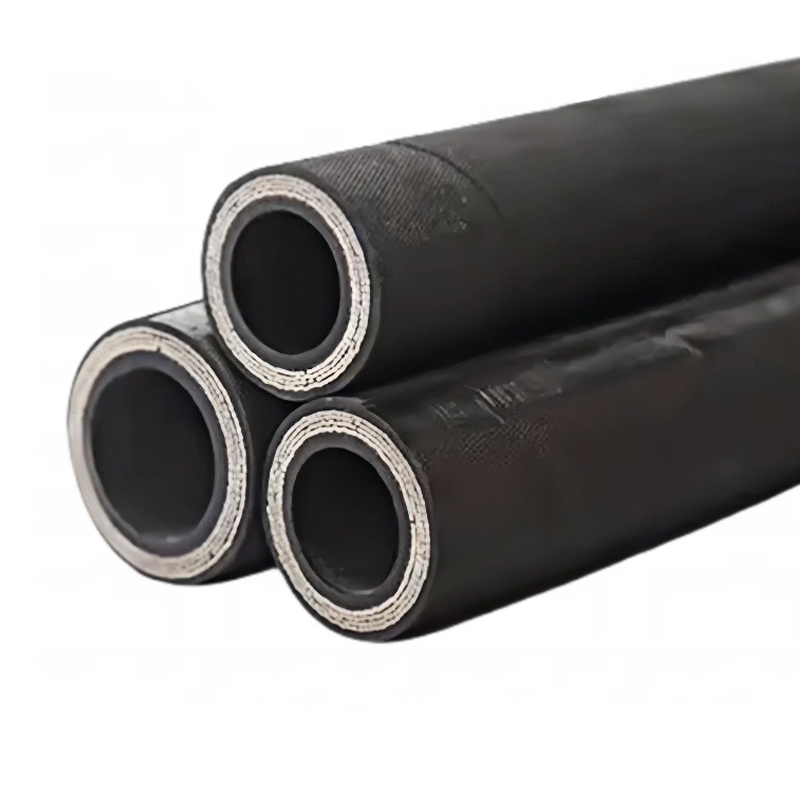 What's the True ROI of Upgrading to Spiral Hydraulic Hose? A Cost-Benefit Analysis