
Power generation plants are the backbone of modern energy infrastructure, providing electricity to homes, businesses, and industries. Within these facilities, pipelines play a critical role in transporting fluids such as water, steam, oil, and chemicals. Ensuring these pipelines remain secure, efficient, and adaptable is essential for uninterrupted operations. One unsung hero in this setup is the flexible pipe coupling, a component designed to connect pipes while accommodating movement, vibration, and thermal expansion. This blog explores the importance of flexible pipe couplings in power generation plants, their benefits, types, installation considerations, and future trends.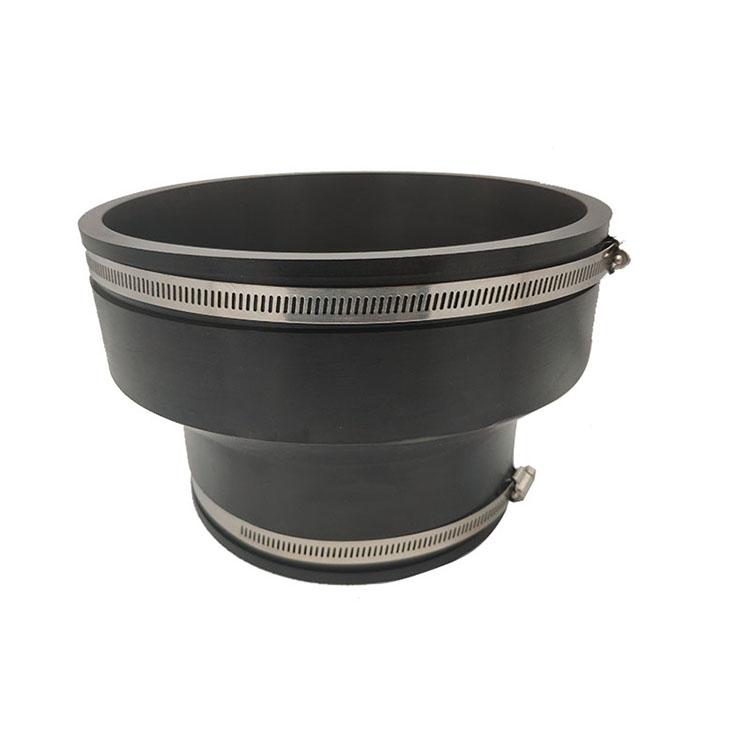
The Role of Pipe Couplings in Power Generation
Pipe couplings are mechanical devices that join two pipes together, creating a leak-proof connection. In power plants, where temperatures and pressures fluctuate constantly, rigid couplings alone are insufficient. Flexible couplings, however, allow for slight misalignments, thermal expansion, and vibrations caused by turbines, pumps, and generators. Without them, pipes could crack, leak, or fail, leading to costly downtime, safety hazards, and environmental risks.
For example, in a steam turbine system, pipes carrying high-pressure steam must expand and contract as temperatures rise and fall. A flexible coupling absorbs these movements, preventing stress on the pipeline and ensuring smooth operation. Similarly, in cooling systems, couplings help manage vibrations from water pumps, reducing wear and tear.
Key Benefits of Flexible Pipe Couplings
Flexible pipe couplings offer several advantages that make them indispensable in power generation:
Vibration Damping: Power plants are noisy environments filled with machinery that generates vibrations. Flexible couplings act as shock absorbers, minimizing the transfer of vibrations to the pipeline and reducing the risk of fatigue or failure.
Thermal Expansion Compensation: As pipes heat up or cool down, they expand or contract. Flexible couplings accommodate these changes without compromising the seal, preventing leaks or structural damage.
Misalignment Tolerance: During installation or due to ground settling, pipes may become slightly misaligned. Flexible couplings allow for angular, axial, and lateral adjustments, ensuring a secure connection even in imperfect conditions.
Ease of Installation and Maintenance: Unlike rigid couplings that require precise alignment, flexible couplings are easier to install. They also simplify maintenance by allowing quick disassembly for inspections or repairs.
Cost Efficiency: By reducing the likelihood of leaks, downtime, and premature pipe failure, flexible couplings lower long-term operational costs.
Types of Flexible Pipe Couplings
Not all flexible couplings are created equal. Different designs suit specific applications in power generation plants:
Rubber Expansion Joints: These use reinforced rubber to absorb vibrations and thermal movements. They are ideal for low-pressure systems, such as cooling water lines.
Metallic Bellows Couplings: Made from thin-walled metal, these couplings handle high temperatures and pressures, making them suitable for steam and exhaust systems.
Flexible Sleeves: Constructed from fabric-reinforced materials, these couplings are lightweight and corrosion-resistant, often used in chemical processing units.
Ball and Socket Joints: These allow multi-directional movement and are commonly found in complex piping networks where pipes need to bend or pivot.
Each type has its strengths, and plant engineers must consider factors like temperature, pressure, fluid type, and movement requirements when selecting a coupling.
Installation and Maintenance Best Practices
Proper installation and regular maintenance are critical to the longevity of flexible pipe couplings. Here are some tips:
Follow Manufacturer Guidelines: Always adhere to the coupling manufacturer’s specifications for torque, alignment, and support.
Inspect Regularly: Check for signs of wear, corrosion, or leaks during routine maintenance. Replace couplings if they show cracks, deformation, or excessive movement.
Ensure Proper Support: Pipes should be adequately supported to prevent sagging, which could stress the couplings. Use hangers, clamps, or anchors as needed.
Monitor Temperature and Pressure: Sudden spikes in temperature or pressure can damage couplings. Install sensors to alert operators to abnormal conditions.
Train Personnel: Ensure maintenance teams are trained in coupling inspection and replacement to avoid mistakes that could lead to failures.
Challenges in Power Plant Applications
Despite their benefits, flexible pipe couplings face challenges in power generation environments:
Harsh Conditions: High temperatures, corrosive chemicals, and abrasive particles can degrade coupling materials over time.
Pressure Spikes: Sudden pressure changes, such as those during startup or shutdown, can test the limits of couplings.
Space Constraints: Power plants often have tight piping layouts, limiting access for installation or replacement.
Regulatory Compliance: Couplings must meet industry standards for safety and performance, such as those set by the American Society of Mechanical Engineers (ASME).
To mitigate these challenges, engineers must select couplings rated for the specific conditions of their plant and implement robust monitoring systems.
Future Trends in Flexible Coupling Technology
As power generation evolves, so too does coupling technology. Here are some trends to watch:
Advanced Materials: Manufacturers are developing couplings with higher-temperature resistance, improved corrosion protection, and longer lifespans.
Smart Sensors: Couplings embedded with sensors could provide real-time data on stress, temperature, and movement, enabling predictive maintenance.
Modular Designs: Future couplings may feature interchangeable components, simplifying repairs and reducing downtime.
Sustainability Focus: Eco-friendly materials and energy-efficient designs will become more prevalent as the industry prioritizes sustainability.
Conclusion
Flexible pipe couplings are small but mighty components in power generation plants. They ensure the reliability, safety, and efficiency of pipelines that transport critical fluids under demanding conditions. By understanding their role, benefits, and maintenance needs, plant operators can maximize uptime, reduce costs, and extend the lifespan of their infrastructure.
 Tired of Replacing Torn Dock Bumpers? Does Steel-Reinforced Rubber Solve Your Problem?
 Looking for Dock Bumpers that Last? How Do Steel-Cornered Pads Cut Your Repair Costs?
 Need Maximum Durability? Why Choose a Rubber Laminated Bumper with Reinforced Steel Corners?
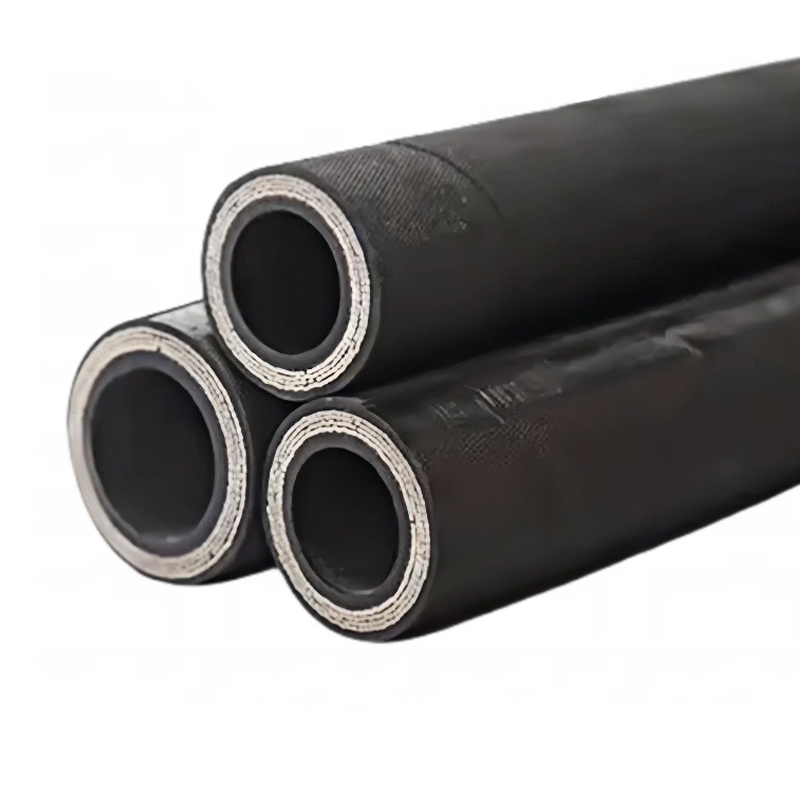 What's the True ROI of Upgrading to Spiral Hydraulic Hose? A Cost-Benefit Analysis