
Wastewater management is a critical component of modern infrastructure, ensuring that sewage and stormwater are safely transported from homes, businesses, and public spaces to treatment facilities. Yet, beneath the surface lies a complex network of pipes that must withstand constant pressure, temperature fluctuations, and environmental challenges. One unsung hero in this system is the flexible pipe coupling—a versatile component designed to connect, repair, and protect wastewater lines. This article explores the role of flexible couplings in wastewater systems, their benefits, installation considerations, and future trends.
The Role of Flexible Pipe Couplings in Wastewater Systems
Wastewater pipelines are subjected to a range of stressors, including ground movement, vibrations from heavy traffic, and thermal expansion. Traditional rigid couplings can crack or leak under these conditions, leading to costly repairs and environmental hazards. Flexible pipe couplings, however, are engineered to absorb movement and stress while maintaining a watertight seal.
These couplings are typically made from durable materials like rubber, stainless steel, or reinforced polymers, allowing them to adapt to minor misalignments between pipes. They are commonly used to join pipes of different materials (e.g., PVC to cast iron) or to repair damaged sections without replacing entire pipelines. Their flexibility also reduces the risk of pipe breakage during seismic activity or soil settlement, making them indispensable in earthquake-prone regions.
Key Benefits of Using Flexible Couplings in Wastewater Applications
Durability and Longevity
Flexible couplings are designed to resist corrosion, chemicals, and abrasion, common issues in wastewater environments. Their robust construction ensures they outlast rigid alternatives, reducing maintenance costs over time.
Ease of Installation
Unlike rigid couplings that require precise alignment, flexible couplings can be installed quickly, even in tight spaces. This reduces labor costs and minimizes disruption to surrounding areas during repairs or upgrades.
Adaptability to Different Pipe Materials
Wastewater systems often incorporate a mix of pipe materials due to historical construction or budget constraints. Flexible couplings bridge these differences seamlessly, eliminating the need for specialized adapters.
Vibration and Noise Reduction
In urban areas, wastewater pipes near roads or industrial zones are exposed to vibrations. Flexible couplings dampen these vibrations, reducing noise pollution and extending the lifespan of the pipeline.
Cost-Effectiveness
By preventing leaks and minimizing the need for excavation, flexible couplings help municipalities and homeowners save money on repairs and potential fines for environmental violations.
Common Applications of Flexible Pipe Couplings
Flexible couplings are used in various wastewater scenarios, including:
Residential Sewer Lines: Connecting home plumbing to municipal sewer systems.
Municipal Infrastructure: Repairing aging pipelines or expanding capacity in growing cities.
Industrial Wastewater Systems: Handling corrosive or high-temperature effluent from factories.
Stormwater Drainage: Managing runoff during heavy rainfall to prevent flooding.
In each case, the coupling’s ability to adapt to changing conditions ensures reliable performance.
Installation and Maintenance Tips for Flexible Couplings
While flexible couplings are user-friendly, proper installation is crucial for longevity. Here are some best practices:
Preparation: Clean the pipe ends thoroughly to remove debris, rust, or old sealant.
Alignment: Ensure pipes are roughly aligned before securing the coupling.
Tightening: Follow the manufacturer’s guidelines for torque specifications to avoid over-tightening.
Inspection: Regularly check couplings for signs of wear, such as cracks or leaks, especially in high-stress areas.
For maintenance, periodic visual inspections and pressure testing can catch issues early. In colder climates, insulating couplings may be necessary to prevent freeze damage.
Environmental and Safety Considerations
Wastewater leaks pose significant environmental risks, contaminating groundwater and soil. Flexible couplings help mitigate these risks by providing a reliable seal. Additionally, their durability reduces the need for frequent replacements, lowering the carbon footprint associated with manufacturing and transportation.
From a safety perspective, flexible couplings prevent sudden pipe failures that could lead to sinkholes or exposure to hazardous waste. This is particularly important in densely populated areas where infrastructure failures can disrupt daily life.
Future Trends in Wastewater Pipe Coupling Technology
As infrastructure ages and climate change intensifies, the demand for innovative wastewater solutions grows. Key trends include:
Smart Couplings: Sensors embedded in couplings could monitor pressure, flow, and leaks in real time, enabling proactive maintenance.
Sustainable Materials: Manufacturers are exploring biodegradable or recycled materials to reduce environmental impact.
Modular Designs: Couplings that allow for easier upgrades or repairs without full system shutdowns.
Enhanced Sealing Technologies: Advanced gaskets and coatings to improve resistance to extreme temperatures and chemicals.
These advancements will further enhance the reliability and efficiency of wastewater systems.
Conclusion: The Unsung Hero of Wastewater Infrastructure
Flexible pipe couplings may not be glamorous, but they play a vital role in keeping wastewater systems functioning smoothly. Their ability to adapt, protect, and endure makes them a cost-effective choice for homeowners, municipalities, and engineers alike. As infrastructure ages and environmental challenges mount, investing in high-quality flexible couplings is not just a practical decision—it’s a sustainable one.
 Tired of Replacing Torn Dock Bumpers? Does Steel-Reinforced Rubber Solve Your Problem?
 Looking for Dock Bumpers that Last? How Do Steel-Cornered Pads Cut Your Repair Costs?
 Need Maximum Durability? Why Choose a Rubber Laminated Bumper with Reinforced Steel Corners?
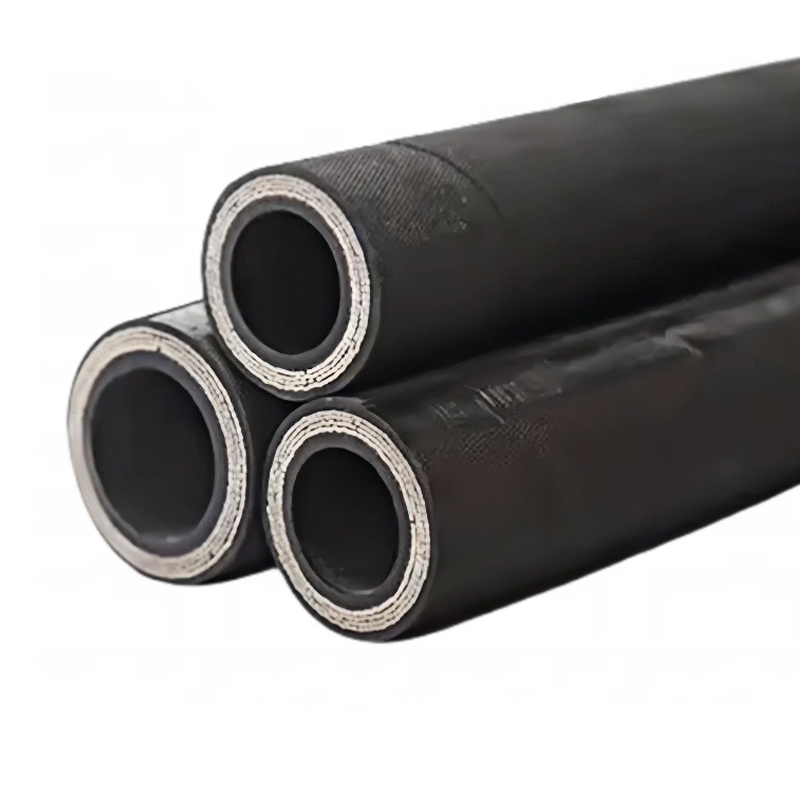 What's the True ROI of Upgrading to Spiral Hydraulic Hose? A Cost-Benefit Analysis