
In modern infrastructure projects, from residential plumbing to large-scale industrial systems, flexible pipe couplings play a pivotal role in connecting pipes securely while accommodating movement, vibration, and thermal expansion. However, selecting the right coupling involves more than just technical specifications—cost analysis is equally critical. This article explores the factors influencing the cost of flexible pipe couplings, offering insights for engineers, contractors, and facility managers aiming to balance performance and budget.
Understanding the Basics of Flexible Pipe Couplings
Flexible pipe couplings are mechanical devices designed to join two pipes while allowing limited movement. Unlike rigid couplings, they absorb stress caused by ground shifts, temperature fluctuations, or equipment vibrations, reducing the risk of leaks or pipe failures. Commonly used in wastewater systems, HVAC installations, and industrial pipelines, these couplings come in various materials, including rubber, stainless steel, and thermoplastics.
The cost of a coupling depends on its material, size, pressure rating, and compliance with industry standards (e.g., ASTM, ISO). While initial purchase price is a consideration, long-term maintenance, installation ease, and durability also impact total ownership costs.
Factors Driving Initial Purchase Costs
The upfront cost of flexible pipe couplings varies widely based on several key factors:
Material Quality: High-grade stainless steel or reinforced rubber couplings typically cost more than basic thermoplastic models but offer superior longevity and resistance to corrosion or chemicals.
Size and Pressure Rating: Larger couplings or those rated for high-pressure applications (e.g., industrial processes) command higher prices due to increased material usage and engineering complexity.
Compliance and Certifications: Couplings meeting stringent regulatory standards (e.g., for potable water systems) may involve additional testing costs, reflected in the price.
Supplier and Volume: Bulk purchases from reputable suppliers often reduce per-unit costs, but buyers must weigh this against shipping and storage expenses.
For example, a 2-inch rubber coupling for residential plumbing might cost 5–10. while a 12-inch stainless steel coupling for industrial use could exceed $200.
Installation Costs: Labor and Time Considerations
Beyond the purchase price, installation costs significantly influence the total project budget. Factors affecting installation expenses include:
Labor Skill Level: Complex couplings requiring specialized tools or training (e.g., flanged or bolted designs) increase labor costs.
Time Efficiency: Push-fit or compression-style couplings reduce installation time compared to welded or threaded alternatives, lowering labor hours.
Site Accessibility: Tight spaces or hazardous environments may necessitate additional safety measures, raising labor rates.
A study by a construction industry trade group found that labor can account for 30–50% of total coupling-related expenses. Choosing couplings that balance ease of installation with durability is crucial for cost optimization.
Long-Term Maintenance and Replacement Costs
The true value of a flexible pipe coupling lies in its longevity and reliability. Couplings that fail prematurely due to material degradation or poor design lead to costly repairs, downtime, and potential environmental hazards. Key considerations include:
Corrosion Resistance: In harsh environments (e.g., chemical plants or coastal areas), couplings prone to rust or chemical erosion require frequent replacement.
Warranty and Support: Manufacturers offering extended warranties or technical assistance may justify higher initial costs by reducing long-term risks.
Lifecycle Analysis: Over a 20-year period, a 50high−qualitycouplingmightprovemoreeconomicalthanthree20 couplings that fail prematurely.
Facility managers should prioritize couplings with proven track records in similar applications to minimize unexpected expenses.
Energy Efficiency and Operational Savings
While often overlooked, the energy efficiency of pipe systems indirectly affects coupling costs. Poorly designed couplings can create turbulence or pressure drops, forcing pumps to work harder and increasing energy consumption. Features that enhance efficiency include:
Smooth Interior Surfaces: Couplings with minimal obstructions reduce friction, lowering pumping costs.
Flexibility to Absorb Shocks: By mitigating water hammer effects, couplings protect pumps and valves from damage, extending equipment lifespan.
A case study of a municipal water treatment plant found that upgrading to high-efficiency couplings reduced annual energy costs by 12%, offsetting the higher initial investment within three years.
Environmental and Regulatory Compliance Costs
Increasingly stringent environmental regulations add another layer to cost analysis. Non-compliant couplings may lead to fines, legal liabilities, or reputational damage. Key compliance areas include:
Leak Prevention: Couplings with robust sealing mechanisms prevent contamination of groundwater or soil.
Sustainable Materials: Biodegradable or recyclable couplings align with corporate sustainability goals but may carry a premium.
Waste Disposal: Disposing of hazardous materials (e.g., lead-soldered couplings) incurs additional costs, whereas modular designs allow for easier replacement of worn components.
Proactive selection of eco-friendly couplings can avoid future compliance headaches and enhance project sustainability.
Case Study: Comparing Coupling Solutions for a Commercial Building
To illustrate cost analysis in practice, consider a 20-story commercial building undergoing HVAC system upgrades. The project team evaluated three coupling options:
Basic Rubber Couplings: Low upfront cost ($8 per unit) but limited pressure rating and 5-year lifespan.
Stainless Steel Couplings: Higher initial price ($45 per unit) but 20-year lifespan and corrosion resistance.
Hybrid Thermoplastic Couplings: Mid-range cost ($25 per unit) with 10-year lifespan and moderate energy efficiency gains.
Over a 25-year period, the stainless steel couplings proved most cost-effective due to minimal replacement and maintenance needs. The hybrid option offered moderate savings but required two replacements, while the basic rubber couplings incurred the highest total cost due to five replacements and associated labor.
Conclusion: Balancing Cost and Performance
Flexible pipe coupling cost analysis is a multifaceted process that extends beyond purchase price. By evaluating material quality, installation requirements, long-term durability, energy efficiency, and compliance, stakeholders can make informed decisions that align with project goals and budget constraints. While upfront savings are tempting, investing in high-quality couplings often yields greater returns through reduced maintenance, energy savings, and environmental compliance.
 Looking for Dock Bumpers that Last? How Do Steel-Cornered Pads Cut Your Repair Costs?
 Need Maximum Durability? Why Choose a Rubber Laminated Bumper with Reinforced Steel Corners?
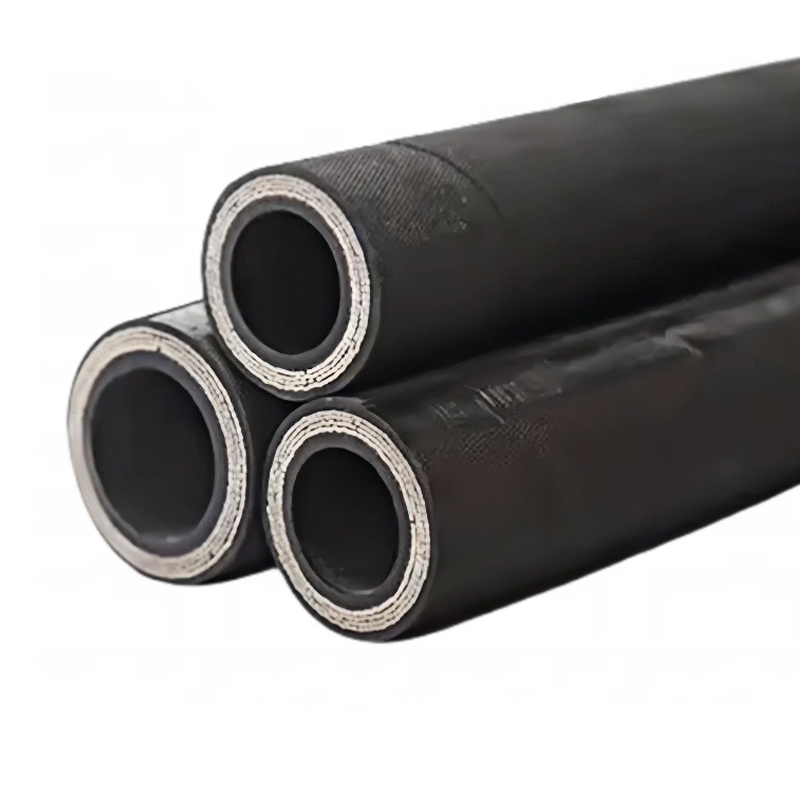 What's the True ROI of Upgrading to Spiral Hydraulic Hose? A Cost-Benefit Analysis
 Spiral Hydraulic Hose Case Studies: Real-World Reliability in Mining, Steel & Offshore