
Underground piping systems are the silent workhorses of modern infrastructure, delivering water, sewage, gas, and other essential utilities beneath our feet. Yet, these systems face constant challenges, including ground movement, temperature fluctuations, and aging infrastructure. Enter the flexible pipe coupling—a critical component designed to maintain the integrity of underground pipes while accommodating the stresses of their environment. This article explores the role of flexible couplings in underground piping, their benefits, installation considerations, and future trends in this vital technology.
Understanding the Role of Flexible Pipe Couplings
Underground pipes are subjected to a range of forces that can compromise their structural integrity. Soil settlement, seismic activity, and thermal expansion and contraction can cause pipes to shift, bend, or even break. Traditional rigid couplings, while effective in static environments, struggle to adapt to these dynamic conditions. Flexible pipe couplings, however, are engineered to absorb and distribute stress, preventing leaks and extending the lifespan of piping systems.
These couplings work by creating a secure yet adaptable connection between pipes. Their flexible design allows for slight misalignment, angular deflection, and axial movement, ensuring that the system remains intact even as the ground shifts. This adaptability is particularly crucial in areas prone to earthquakes, landslides, or soil erosion, where rigid connections would fail under pressure.
Benefits of Flexible Pipe Couplings in Underground Applications
The advantages of flexible couplings extend beyond mere stress absorption. Here are some key benefits that make them indispensable in underground piping:
Leak Prevention: By maintaining a tight seal even under movement, flexible couplings significantly reduce the risk of leaks. This is especially important for water and sewage systems, where leaks can lead to costly repairs, environmental damage, and health hazards.
Cost Efficiency: Installing flexible couplings can lower long-term maintenance costs. Their durability reduces the need for frequent replacements, while their ease of installation minimizes labor expenses. Additionally, preventing leaks conserves resources and avoids fines for non-compliance with environmental regulations.
Versatility: Flexible couplings are compatible with a wide range of pipe materials, including PVC, cast iron, steel, and concrete. This versatility makes them suitable for retrofitting existing systems or integrating new materials into infrastructure upgrades.
Noise Reduction: In urban areas, the clanking and rattling of pipes can be a nuisance. Flexible couplings dampen vibrations, reducing noise pollution and improving the quality of life for nearby residents.
Longevity: By mitigating the effects of ground movement and temperature changes, flexible couplings extend the lifespan of piping systems. This longevity is critical for municipalities and utilities seeking to maximize their infrastructure investments.
Key Considerations for Installing Flexible Pipe Couplings
While flexible couplings offer numerous benefits, their effectiveness hinges on proper installation. Here are some factors to consider:
Pipe Material Compatibility: Not all flexible couplings are created equal. It’s essential to select a coupling designed for the specific pipe material being used. For example, couplings for PVC pipes may differ from those for cast iron in terms of size, flexibility, and sealing mechanisms.
Sizing and Fit: Accurate sizing is critical. A coupling that’s too loose may leak, while one that’s too tight could restrict movement or damage the pipe. Manufacturers typically provide guidelines for selecting the right size based on pipe diameter and wall thickness.
Environmental Factors: The underground environment can be harsh, with exposure to moisture, chemicals, and extreme temperatures. Choose couplings made from corrosion-resistant materials, such as stainless steel or high-density polymers, to ensure durability.
Installation Techniques: Follow the manufacturer’s instructions carefully. This may include cleaning the pipe ends, applying lubricant, and using proper torque when tightening bolts. Incorrect installation can compromise the coupling’s performance and lead to premature failure.
Inspection and Maintenance: Even the best couplings require periodic inspection. Schedule routine checks for signs of wear, corrosion, or leaks. Addressing issues early can prevent costly repairs down the line.
Innovations in Flexible Pipe Coupling Technology
The demand for more resilient infrastructure has driven advancements in flexible coupling design. Here are some notable innovations:
Smart Couplings: Some manufacturers are integrating sensors into couplings to monitor pressure, temperature, and movement in real time. These “smart” couplings can alert operators to potential issues before they escalate, enabling proactive maintenance.
Eco-Friendly Materials: With sustainability in focus, new couplings are being made from recycled materials or biodegradable polymers. These options reduce environmental impact without sacrificing performance.
Enhanced Sealing Technologies: Improved gasket designs and sealing compounds are enhancing the leak resistance of flexible couplings. Some now feature self-lubricating materials that reduce friction and extend service life.
Modular Designs: Modular couplings allow for easier installation and replacement. Instead of replacing an entire coupling, operators can swap out individual components, saving time and resources.
Case Studies: Successful Applications of Flexible Couplings
Real-world examples highlight the value of flexible couplings in underground piping:
Seismic Resilience in California: After the 2019 Ridgecrest earthquakes, a utility company in Southern California retrofitted its aging water mains with flexible couplings. The couplings withstood subsequent tremors, preventing leaks and service disruptions.
Urban Renewal in New York City: A major sewer rehabilitation project in Brooklyn used flexible couplings to connect new PVC pipes to existing cast iron infrastructure. The couplings accommodated minor misalignments, speeding up installation and reducing costs.
Agricultural Irrigation in the Midwest: Farmers in Nebraska adopted flexible couplings for their underground irrigation systems. The couplings’ ability to handle soil expansion and contraction due to freeze-thaw cycles minimized leaks and improved water efficiency.
Future Trends in Underground Piping Solutions
As infrastructure ages and climate change intensifies, the role of flexible couplings will only grow. Here’s what to expect:
Increased Demand for Resilience: Municipalities will prioritize couplings that can withstand extreme weather events, such as floods and hurricanes.
Integration with Smart Cities: Flexible couplings equipped with IoT sensors will become standard in “smart” infrastructure, enabling real-time monitoring and predictive maintenance.
Sustainability Focus: Expect more couplings made from recycled or renewable materials, aligning with global efforts to reduce carbon footprints.
Standardization and Certification: Industry bodies may develop stricter standards for coupling performance, ensuring consistency and reliability across manufacturers.
Conclusion: The Unsung Hero of Underground Piping
Flexible pipe couplings may not be glamorous, but they are indispensable for maintaining the reliability of underground piping systems. By absorbing stress, preventing leaks, and adapting to environmental changes, these couplings protect our infrastructure and the communities it serves. As technology evolves, flexible couplings will continue to play a vital role in building resilient, sustainable, and efficient underground networks. Whether you’re a utility operator, engineer, or homeowner, understanding the value of flexible couplings is the first step toward safeguarding the pipes that keep our world running smoothly.
 Looking for Dock Bumpers that Last? How Do Steel-Cornered Pads Cut Your Repair Costs?
 Need Maximum Durability? Why Choose a Rubber Laminated Bumper with Reinforced Steel Corners?
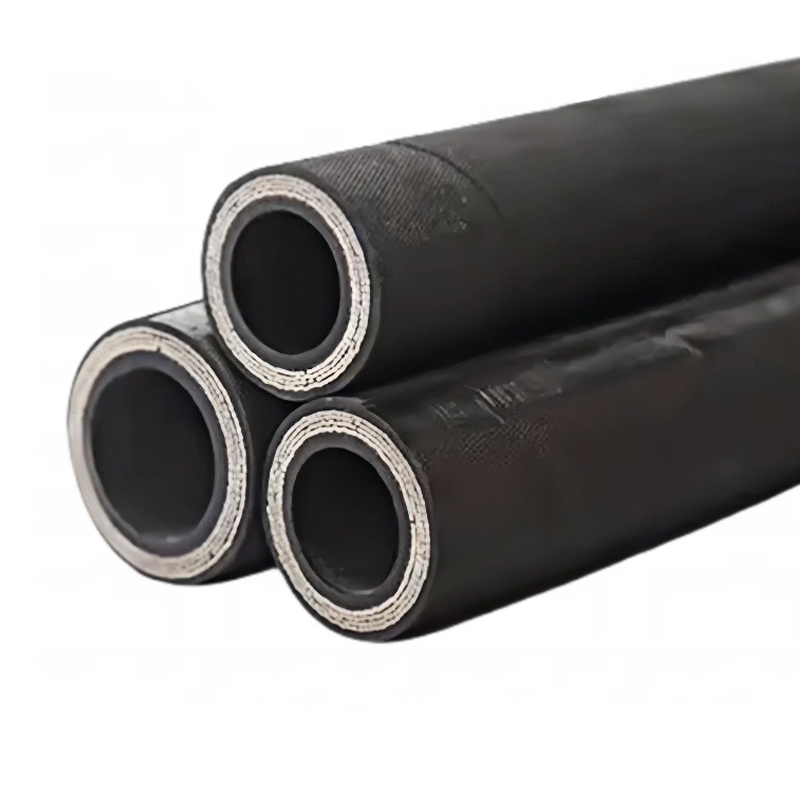 What's the True ROI of Upgrading to Spiral Hydraulic Hose? A Cost-Benefit Analysis
 Spiral Hydraulic Hose Case Studies: Real-World Reliability in Mining, Steel & Offshore