
Biogas, a renewable energy source derived from organic waste, has gained significant traction in the United States as a sustainable alternative to fossil fuels. From agricultural operations to municipal waste management facilities, biogas production systems are transforming waste into valuable energy. However, the success of these systems hinges on the reliability of their infrastructure, particularly the pipelines that transport biogas from production sites to storage or end-use applications. A critical component in this infrastructure is the flexible pipe coupling, which plays a pivotal role in maintaining system integrity, efficiency, and longevity. This article explores the importance of flexible pipe couplings in biogas pipelines, their benefits, and best practices for selection and installation.
The Role of Biogas in Renewable Energy
Biogas is produced through the anaerobic digestion of organic materials such as manure, food scraps, and agricultural residues. The resulting gas, primarily composed of methane and carbon dioxide, can be burned to generate electricity, heat, or upgraded to biomethane for injection into natural gas grids. The environmental benefits of biogas are substantial, including reduced greenhouse gas emissions, waste diversion from landfills, and the production of nutrient-rich digestate for use as fertilizer.
However, biogas systems are complex and require robust infrastructure to handle the unique challenges of transporting a corrosive, moisture-laden gas. Pipelines in these systems must withstand harsh conditions, including temperature fluctuations, chemical exposure, and mechanical stress. This is where flexible pipe couplings come into play.
Why Flexible Pipe Couplings Are Essential for Biogas Pipelines
Biogas pipelines are subject to a range of stresses, including thermal expansion, ground movement, and vibrations from machinery. Traditional rigid couplings can fail under these conditions, leading to leaks, system downtime, and costly repairs. Flexible pipe couplings, on the other hand, are designed to absorb these stresses while maintaining a secure connection between pipes.
These couplings accommodate axial, angular, and lateral movements, preventing the transfer of stress to the pipeline itself. This flexibility is crucial in biogas systems, where pipelines often traverse uneven terrain or are exposed to varying temperatures. By reducing the risk of pipe misalignment and failure, flexible couplings enhance system reliability and safety.
Key Features of High-Quality Flexible Pipe Couplings
Not all flexible pipe couplings are created equal. When selecting couplings for biogas pipelines, several features should be prioritized:
Corrosion Resistance: Biogas contains hydrogen sulfide and other corrosive compounds that can degrade materials over time. Couplings made from stainless steel or other corrosion-resistant alloys are ideal for these applications.
Sealing Integrity: A reliable seal is essential to prevent gas leaks. Couplings with elastomeric gaskets or mechanical seals designed for biogas service are recommended.
Ease of Installation: Quick and straightforward installation reduces labor costs and minimizes downtime. Couplings with a clamp-style design or push-fit connections are often preferred.
Temperature and Pressure Ratings: Biogas pipelines may operate under extreme temperatures or high pressures. Couplings must be rated for the specific conditions of the application.
Longevity: Durable couplings with a proven track record in biogas systems reduce maintenance needs and lifecycle costs.
Benefits of Using Flexible Pipe Couplings in Biogas Projects
The advantages of incorporating flexible pipe couplings into biogas pipelines are manifold:
Reduced Leakage Risk: By maintaining a tight seal even under movement, flexible couplings minimize the risk of biogas leaks, which can be hazardous and environmentally damaging.
Extended Pipeline Lifespan: Absorbing stress and preventing pipe damage, flexible couplings contribute to the longevity of the entire pipeline system.
Cost Savings: Fewer repairs, less downtime, and reduced maintenance translate to significant cost savings over the lifecycle of the biogas system.
Compliance with Regulations: Many jurisdictions have strict regulations governing biogas handling and emissions. Flexible couplings help ensure compliance by preventing leaks and maintaining system integrity.
Installation and Maintenance Best Practices
Proper installation and maintenance are critical to the performance of flexible pipe couplings in biogas pipelines:
Follow Manufacturer Guidelines: Always adhere to the manufacturer’s instructions for installation, torque specifications, and maintenance intervals.
Inspect Regularly: Conduct routine visual inspections to check for signs of wear, corrosion, or seal degradation.
Address Issues Promptly: Replace damaged couplings immediately to prevent leaks or system failures.
Train Personnel: Ensure that maintenance staff are trained in the proper handling and installation of flexible couplings.
Document Everything: Keep detailed records of installations, inspections, and repairs to facilitate troubleshooting and compliance reporting.
Case Study: Successful Implementation in a Municipal Biogas Facility
A mid-sized municipality in the Midwest implemented a biogas recovery system at its wastewater treatment plant to convert organic waste into energy. The initial design included rigid pipe couplings, but frequent leaks and maintenance issues prompted a reevaluation. After switching to high-quality flexible couplings, the facility reported a 70% reduction in pipeline-related downtime and a 50% decrease in maintenance costs over two years. The couplings’ ability to accommodate ground movement and thermal expansion was cited as a key factor in the system’s improved reliability.
Future Trends in Biogas Pipeline Technology
As the biogas industry continues to grow, so too will the demand for innovative pipeline solutions. Future trends may include:
Smart Couplings: Couplings equipped with sensors to monitor pressure, temperature, and leak detection in real time.
Advanced Materials: Development of new alloys and composites with enhanced corrosion resistance and durability.
Modular Designs: Couplings that can be easily reconfigured or expanded to accommodate system upgrades.
Sustainable Manufacturing: Increased focus on eco-friendly production processes and recyclable materials.
Conclusion: Investing in Reliability for a Sustainable Future
Flexible pipe couplings are a small but vital component in the complex machinery of biogas production systems. Their ability to absorb stress, prevent leaks, and extend pipeline lifespan makes them indispensable for ensuring the efficiency and reliability of renewable energy infrastructure. As the United States continues to invest in biogas as part of its clean energy transition, selecting the right couplings and implementing best practices for installation and maintenance will be critical to the success of these projects. By prioritizing quality and innovation, the biogas industry can build a more sustainable future, one pipeline at a time.
 Looking for Dock Bumpers that Last? How Do Steel-Cornered Pads Cut Your Repair Costs?
 Need Maximum Durability? Why Choose a Rubber Laminated Bumper with Reinforced Steel Corners?
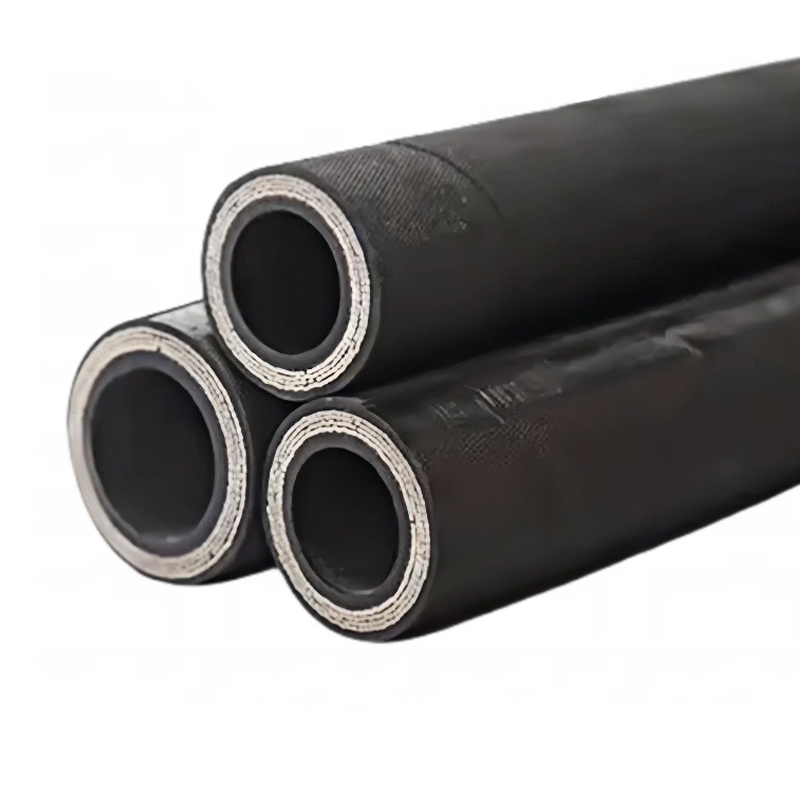 What's the True ROI of Upgrading to Spiral Hydraulic Hose? A Cost-Benefit Analysis
 Spiral Hydraulic Hose Case Studies: Real-World Reliability in Mining, Steel & Offshore