
In the realm of plumbing and infrastructure, ensuring secure and efficient pipe connections is paramount. Two popular methods for joining pipes are flexible pipe couplings and mechanical joints. While both serve the fundamental purpose of connecting pipes, they differ significantly in design, application, and advantages. This article explores the nuances of each method, helping American homeowners, contractors, and DIY enthusiasts make informed decisions for their projects.
Understanding the Basics: What Are Flexible Pipe Couplings and Mechanical Joints?
Before diving into comparisons, it’s essential to grasp the core concepts of these two joining techniques.
Flexible Pipe Couplings are versatile connectors designed to join pipes of the same or different materials (e.g., PVC to cast iron). They feature a rubber sleeve encased in a stainless-steel band, which compresses to create a watertight seal. Their flexibility allows for slight misalignment and accommodates thermal expansion or ground movement.
Mechanical Joints, on the other hand, rely on a rigid assembly involving a gasket, gland follower, and bolts. Typically used in larger-scale piping systems (e.g., municipal water mains), they provide a durable, leak-resistant connection but require precise alignment during installation.
Key Differences in Design and Functionality
The design of each method directly impacts its suitability for specific applications.
Flexible couplings excel in versatility. Their rubber sleeve can stretch to fit pipes of varying diameters, making them ideal for repairs or retrofits where pipe sizes may differ. The stainless-steel clamps ensure a secure grip, even on slightly corroded or uneven surfaces. This flexibility also reduces stress on the pipes, minimizing the risk of cracks due to shifting soil or temperature fluctuations.
Mechanical joints, conversely, prioritize strength and durability. The gasket (usually rubber or neoprene) forms a tight seal when compressed by the gland follower and bolts. This method is favored in high-pressure systems, such as industrial pipelines or fire suppression networks, where rigidity is non-negotiable. However, their lack of flexibility means they cannot compensate for misalignment or movement.
Installation: Ease vs. Precision
The installation process is a critical factor in choosing between these methods.
Flexible couplings are renowned for their simplicity. A contractor or homeowner can typically install them in minutes with basic tools—no specialized training required. The process involves sliding the coupling over the pipe ends, aligning them as closely as possible, and tightening the clamps. This ease of use makes them a go-to for emergency repairs or time-sensitive projects.
Mechanical joints demand meticulous installation. The gasket must be perfectly positioned, and the bolts tightened evenly to avoid leaks. This often requires multiple workers, especially for larger pipes, and may involve torque wrenches to ensure proper tension. While mechanical joints offer long-term reliability, their installation complexity can drive up labor costs and project timelines.
Cost Considerations: Upfront vs. Long-Term
Budget-conscious decision-makers must weigh both immediate and future expenses.
Flexible couplings generally have a lower upfront cost per unit. Their affordability, combined with faster installation, makes them attractive for residential projects or smaller-scale commercial work. However, their rubber sleeves may degrade over time due to exposure to chemicals or UV rays, potentially requiring replacement every 10–15 years.
Mechanical joints carry a higher initial price tag due to their robust construction. Yet, their durability can translate to savings in the long run. Properly installed mechanical joints may last 25–50 years with minimal maintenance, making them a cost-effective choice for municipal infrastructure or industrial facilities where downtime is costly.
Applications: Where Each Method Shines
Understanding the ideal use cases for each technique ensures optimal performance.
Flexible couplings are indispensable in scenarios requiring adaptability. For example:
Repairing damaged sections of aging pipes without replacing the entire line.
Connecting dissimilar materials (e.g., transitioning from copper to PEX in a home renovation).
Temporary installations, such as event plumbing or construction site setups.
Mechanical joints dominate in high-stakes environments where safety and longevity are paramount. Common applications include:
Water distribution systems in cities or towns.
Oil and gas pipelines where pressure integrity is critical.
Industrial plants handling corrosive or high-temperature fluids.
Maintenance and Longevity: Sustaining Performance Over Time
Regular upkeep can extend the lifespan of both joining methods.
Flexible couplings benefit from periodic visual inspections. Check for signs of wear, such as cracks in the rubber sleeve or loose clamps. Replacing a coupling is straightforward and typically doesn’t require disrupting the entire pipeline.
Mechanical joints demand more rigorous maintenance. Gaskets should be inspected for compression set or damage, and bolts retightened if necessary. In some cases, disassembly and reassembly may be required, which can be labor-intensive but ensures the joint’s integrity.
Environmental and Safety Factors
Sustainability and safety are increasingly important considerations in modern construction.
Flexible couplings often use recyclable materials like stainless steel and rubber. Their ease of replacement also reduces waste, as only the damaged component needs swapping. However, some rubber formulations may contain additives that could leach into the environment over time.
Mechanical joints prioritize safety through their robust design. The risk of catastrophic failure is low when installed correctly, making them suitable for hazardous material transport. Yet, their production involves more energy-intensive materials, such as cast iron or steel, which may have a higher carbon footprint.
Conclusion: Choosing the Right Method for Your Project
The debate between flexible pipe couplings and mechanical joints ultimately hinges on project-specific needs. Flexible couplings offer speed, adaptability, and affordability, making them ideal for residential repairs or temporary setups. Mechanical joints, with their unmatched durability and pressure resistance, are the gold standard for critical infrastructure and industrial applications.
For American homeowners tackling a bathroom remodel or a contractor bidding on a municipal project, evaluating factors like pipe material, budget, timeline, and long-term maintenance will guide the decision. By understanding the strengths and limitations of each method, stakeholders can ensure reliable, efficient, and cost-effective pipe connections for years to come.
 Looking for Dock Bumpers that Last? How Do Steel-Cornered Pads Cut Your Repair Costs?
 Need Maximum Durability? Why Choose a Rubber Laminated Bumper with Reinforced Steel Corners?
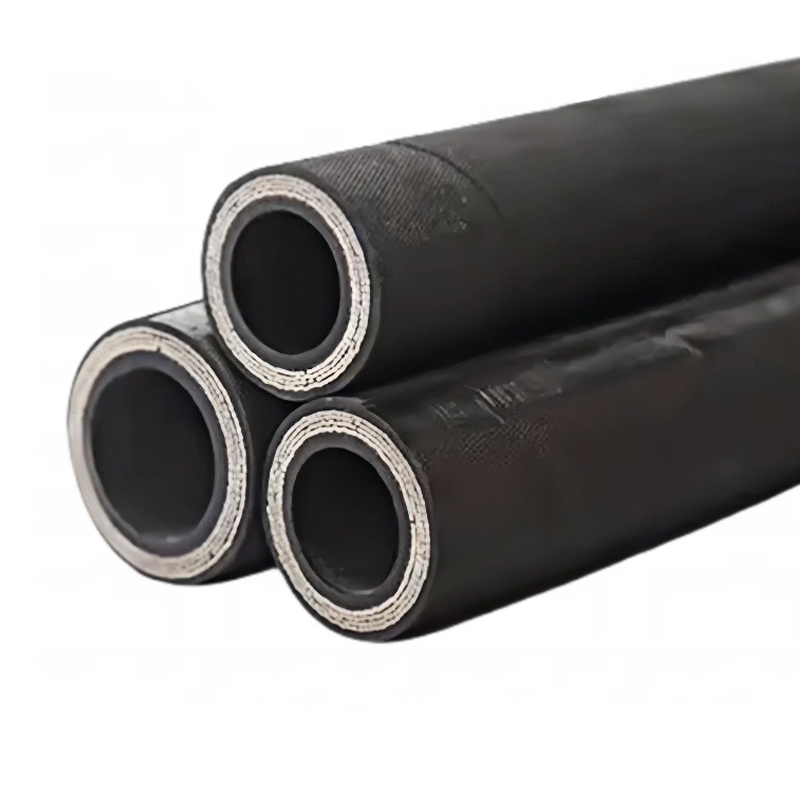 What's the True ROI of Upgrading to Spiral Hydraulic Hose? A Cost-Benefit Analysis
 Spiral Hydraulic Hose Case Studies: Real-World Reliability in Mining, Steel & Offshore