
Rainwater harvesting has emerged as a sustainable solution for managing water resources, especially in regions prone to droughts or with limited access to municipal water supplies. Whether for residential gardens, agricultural irrigation, or industrial processes, collecting and utilizing rainwater can significantly reduce reliance on traditional water sources. However, the success of any rainwater harvesting system hinges on its components—particularly the connectors that join pipes and ensure seamless water flow. Among these, flexible pipe couplings stand out as versatile, durable, and user-friendly solutions. This article explores the role of flexible pipe couplings in rainwater harvesting systems, their benefits, installation tips, and maintenance practices.
The Role of Flexible Pipe Couplings in Rainwater Systems
Rainwater harvesting systems typically involve capturing rainwater from rooftops, gutters, or other surfaces and directing it into storage tanks or reservoirs. The pipes used in these systems must withstand varying weather conditions, potential misalignment during installation, and occasional shifts due to ground settlement. Flexible pipe couplings act as bridges between rigid or semi-rigid pipes, accommodating minor movements and vibrations without compromising the system’s integrity.
Unlike rigid couplings, which require precise alignment and can crack under stress, flexible couplings bend slightly to absorb thermal expansion, ground movement, or slight misalignments. This adaptability makes them ideal for outdoor installations where environmental factors are unpredictable. For instance, in regions with freezing temperatures, pipes may expand and contract; flexible couplings prevent leaks or bursts that rigid couplings might cause.
Benefits of Using Flexible Pipe Couplings
Ease of Installation
Flexible couplings simplify the setup process. Installers don’t need to achieve perfect alignment between pipes, reducing labor time and costs. This feature is particularly advantageous in retrofitting projects or when working with pre-existing structures.
Durability and Longevity
Constructed from robust materials like reinforced rubber or thermoplastic, these couplings resist corrosion, UV rays, and chemical exposure. Their durability ensures they last for years, even in harsh outdoor environments.
Vibration and Noise Reduction
In systems where water flows at high pressure or velocity, flexible couplings dampen vibrations, minimizing noise and preventing wear on pipes and fittings.
Cost-Effectiveness
By reducing the need for specialized tools or precise measurements, flexible couplings lower installation expenses. Their long lifespan also means fewer replacements, saving money over time.
Adaptability to Different Pipe Materials
Whether the system uses PVC, metal, or composite pipes, flexible couplings can accommodate various materials, making them a universal choice for diverse setups.
Choosing the Right Flexible Pipe Coupling
Selecting the appropriate coupling depends on several factors:
Pipe Diameter: Couplings come in sizes to match standard pipe diameters. Ensure compatibility to avoid leaks.
Material Compatibility: Some couplings are designed for specific pipe materials (e.g., rubber for PVC, stainless steel for metal pipes).
Pressure Rating: For high-pressure systems, opt for couplings rated to handle the expected water pressure.
Environmental Conditions: In coastal areas, couplings with UV-resistant and saltwater-resistant properties are preferable.
Consulting with a plumbing expert or supplier can help identify the best coupling for a particular rainwater harvesting setup.
Installation Tips for Optimal Performance
Prepare the Pipes:
Clean the pipe ends thoroughly to remove debris, dirt, or old sealant. Rough edges should be sanded down to ensure a smooth fit.
Measure and Align:
While flexible couplings don’t require perfect alignment, ensure pipes are roughly centered. Misalignment beyond the coupling’s capacity could lead to leaks.
Secure the Coupling:
Follow the manufacturer’s instructions for tightening clamps or fasteners. Over-tightening can damage the coupling, while under-tightening may cause leaks.
Test the System:
After installation, run water through the system to check for leaks. Address any issues immediately to prevent water damage.
Consider Insulation:
In cold climates, insulate pipes and couplings to prevent freezing, which could compromise the coupling’s flexibility.
Maintenance and Troubleshooting
Flexible pipe couplings require minimal maintenance, but regular checks can extend their lifespan:
Visual Inspections: Periodically examine couplings for cracks, bulges, or signs of wear. Replace damaged couplings promptly.
Check for Leaks: Even small leaks can indicate a failing coupling or loose connection. Tighten clamps or replace the coupling if needed.
Clear Debris: Ensure gutters and downspouts are free of leaves or debris, as clogs can increase pressure on couplings and pipes.
Address Ground Movement: If the system is on unstable ground, monitor for shifts that might stress couplings. Realign pipes or add supports if necessary.
Environmental and Economic Impact
Adopting rainwater harvesting systems with flexible pipe couplings contributes to sustainability efforts. By reducing demand on municipal water supplies, these systems lower energy consumption associated with water treatment and distribution. Additionally, businesses and homeowners can save on water bills, especially in regions with tiered pricing or drought surcharges.
From an economic standpoint, the initial investment in a rainwater harvesting system pays off over time. Flexible couplings, with their low maintenance and long lifespan, enhance the return on investment by minimizing operational disruptions and repair costs.
Future Trends in Rainwater Harvesting Technology
As water scarcity becomes a global concern, innovations in rainwater harvesting are accelerating. Smart sensors, automated filtration systems, and modular storage solutions are making these systems more efficient and user-friendly. Flexible pipe couplings are also evolving, with manufacturers developing eco-friendly materials and designs that further reduce environmental impact.
For instance, biodegradable couplings or those made from recycled materials could become mainstream, aligning with broader sustainability goals. Additionally, advancements in coupling design might allow for easier integration with IoT-enabled monitoring systems, providing real-time data on water flow and system health.
Conclusion
Flexible pipe couplings are indispensable components in modern rainwater harvesting systems. Their ability to adapt to varying conditions, ease of installation, and durability make them a preferred choice for professionals and DIY enthusiasts alike. By choosing the right coupling, following proper installation practices, and conducting regular maintenance, users can ensure their rainwater harvesting systems operate efficiently for years.
 Looking for Dock Bumpers that Last? How Do Steel-Cornered Pads Cut Your Repair Costs?
 Need Maximum Durability? Why Choose a Rubber Laminated Bumper with Reinforced Steel Corners?
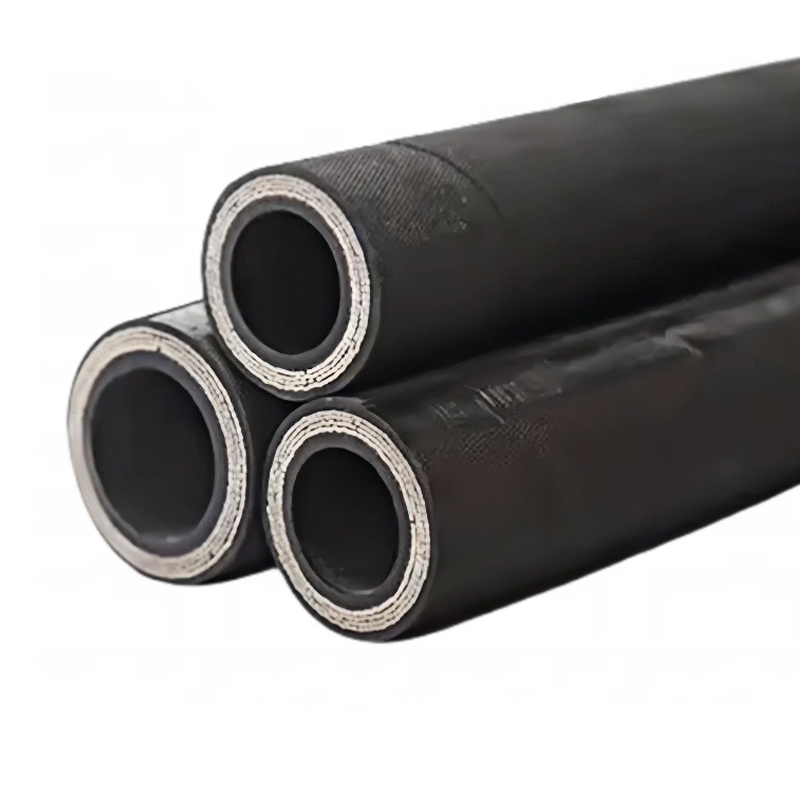 What's the True ROI of Upgrading to Spiral Hydraulic Hose? A Cost-Benefit Analysis
 Spiral Hydraulic Hose Case Studies: Real-World Reliability in Mining, Steel & Offshore