
Geothermal systems have emerged as a sustainable and energy-efficient solution for heating and cooling buildings, leveraging the Earth’s natural thermal energy. At the heart of these systems lies a network of pipes that transport fluids between the ground and the building’s HVAC infrastructure. Ensuring the durability and adaptability of these pipes is critical, and this is where flexible pipe couplings play a pivotal role. This article explores the significance of flexible couplings in geothermal systems, their benefits, installation considerations, and maintenance practices.
Understanding the Role of Flexible Pipe Couplings
Geothermal systems rely on a closed or open loop to circulate a heat-transfer fluid, typically water or a water-antifreeze mixture. These loops consist of pipes buried underground, where temperatures remain relatively stable year-round. The pipes must withstand various environmental stresses, including soil movement, temperature fluctuations, and ground settling. Flexible pipe couplings act as connectors between pipe segments, absorbing mechanical stresses and preventing leaks or pipe failures.
Unlike rigid couplings, which can crack or break under pressure, flexible couplings accommodate slight shifts in the ground or pipe alignment. This adaptability is crucial in geothermal applications, where pipes may experience thermal expansion, contraction, or seismic activity. By maintaining a secure yet flexible connection, these couplings ensure the longevity and reliability of the entire system.
Key Benefits of Flexible Couplings in Geothermal Installations
Vibration and Shock Absorption
Geothermal pumps and circulation systems generate vibrations during operation. Flexible couplings dampen these vibrations, reducing wear on pipes and connected components. This feature is particularly important in minimizing noise pollution and extending the lifespan of the system.
Thermal Expansion Management
As temperatures fluctuate, pipes expand and contract. Flexible couplings compensate for these movements, preventing stress fractures or leaks that could compromise system efficiency. Their ability to bend slightly under pressure ensures the pipes remain intact even in extreme weather conditions.
Ease of Installation and Repair
Installing geothermal systems often involves navigating challenging terrains or existing infrastructure. Flexible couplings simplify the process by allowing installers to connect pipes at varying angles without precise alignment. Additionally, if a section of the pipe needs repair or replacement, couplings enable quick disconnection and reassembly, minimizing downtime.
Corrosion Resistance
Many flexible couplings are made from durable materials like stainless steel, rubber, or high-grade polymers, which resist corrosion from soil moisture and heat-transfer fluids. This resistance ensures the couplings maintain their integrity over time, reducing the risk of leaks or system failures.
Factors to Consider When Choosing Flexible Couplings
Selecting the right flexible coupling for a geothermal system depends on several factors:
Material Compatibility: The coupling material must withstand the specific heat-transfer fluid used in the system. For instance, some fluids may be corrosive, requiring couplings with advanced anti-corrosion coatings.
Pressure and Temperature Ratings: Couplings must be rated for the system’s operating pressure and temperature range. Under-rated couplings could fail, leading to costly repairs.
Size and Fit: Proper sizing is essential to ensure a tight seal. Couplings that are too large or small may compromise the connection, increasing the risk of leaks.
Environmental Conditions: In areas prone to seismic activity or soil erosion, couplings with higher flexibility and durability are recommended to handle ground movements.
Installation Best Practices for Flexible Couplings
Proper installation is critical to maximizing the performance of flexible couplings in geothermal systems:
Pre-Installation Inspection
Before installing couplings, inspect pipes for damage or irregularities. Ensure the ends are clean and deburred to prevent leaks.
Alignment and Spacing
While flexible couplings accommodate slight misalignments, excessive bending can strain the material. Follow manufacturer guidelines for maximum allowable angles and spacing between couplings.
Secure Fastening
Use appropriate clamps or fasteners to secure couplings to the pipes. Over-tightening can damage the coupling, while under-tightening may lead to leaks.
Testing and Validation
After installation, pressure-test the system to identify any potential leaks. Address issues immediately to avoid operational disruptions.
Maintenance and Long-Term Care
Flexible couplings require minimal maintenance, but regular inspections can prevent unexpected failures:
Visual Checks: Periodically inspect couplings for signs of wear, such as cracks, leaks, or corrosion. Replace damaged couplings promptly.
Performance Monitoring: Track system efficiency and note any unusual noises or vibrations, which could indicate coupling issues.
Fluid Analysis: Regularly test the heat-transfer fluid for contaminants that might degrade coupling materials over time.
Seasonal Adjustments: In regions with extreme temperature variations, consider adjusting system pressures or inspecting couplings before the heating or cooling season begins.
Environmental and Economic Advantages
The use of flexible couplings in geothermal systems aligns with broader sustainability goals. By reducing the risk of leaks and system failures, couplings minimize fluid waste and the need for frequent repairs. Additionally, their durability extends the lifespan of geothermal infrastructure, lowering long-term operational costs.
From an economic perspective, investing in high-quality flexible couplings can save homeowners and businesses money in the long run. Preventative maintenance and timely replacements are far more cost-effective than addressing catastrophic failures caused by subpar couplings.
Future Trends in Geothermal Coupling Technology
As geothermal systems evolve, so too will the technology behind flexible couplings. Innovations may include:
Smart Couplings: Couplings embedded with sensors to monitor pressure, temperature, and wear in real time, alerting operators to potential issues before they escalate.
Advanced Materials: Development of even more durable, corrosion-resistant materials to withstand harsher environmental conditions.
Modular Designs: Couplings that are easier to install and replace, reducing labor costs and downtime.
Conclusion
Flexible pipe couplings are indispensable components of modern geothermal systems, offering a blend of durability, adaptability, and efficiency. By understanding their role, benefits, and installation requirements, stakeholders can ensure their geothermal installations perform optimally for years to come. As the demand for sustainable energy solutions grows, the importance of reliable infrastructure components like flexible couplings will only increase. Whether for residential, commercial, or industrial applications, investing in quality couplings is a step toward a greener, more resilient future.
 Looking for Dock Bumpers that Last? How Do Steel-Cornered Pads Cut Your Repair Costs?
 Need Maximum Durability? Why Choose a Rubber Laminated Bumper with Reinforced Steel Corners?
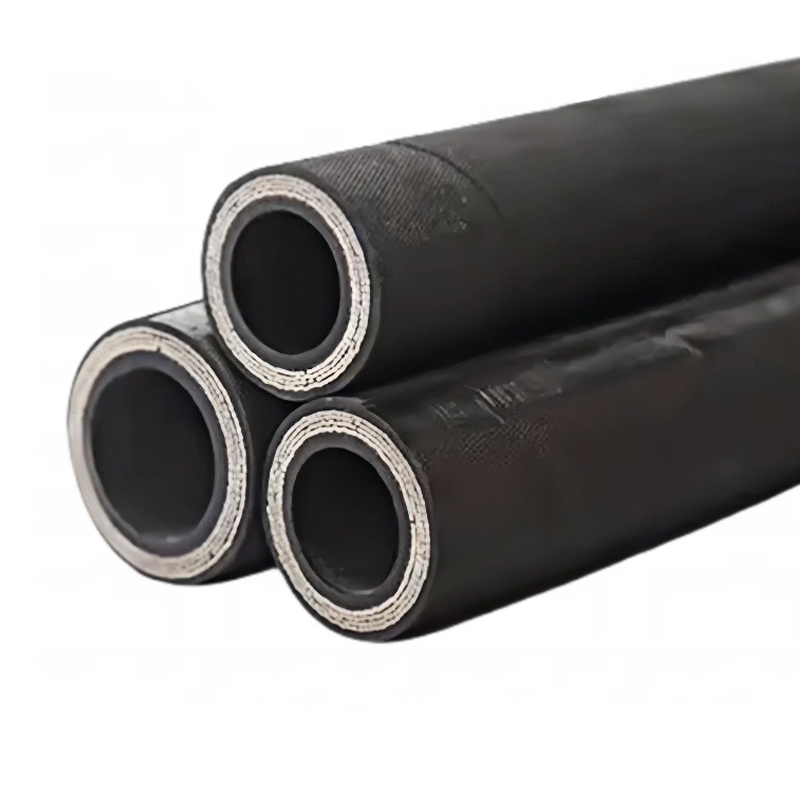 What's the True ROI of Upgrading to Spiral Hydraulic Hose? A Cost-Benefit Analysis
 Spiral Hydraulic Hose Case Studies: Real-World Reliability in Mining, Steel & Offshore