
Geological drilling is a fundamental process in the fields of exploration, mining, and civil engineering. It involves boring holes into the Earth's crust to extract valuable information about subsurface conditions, locate mineral deposits, assess groundwater resources, and facilitate the construction of foundations and underground structures. One often-overlooked but crucial component in this intricate process is the rubber plug. These unassuming devices play a pivotal role in sealing drill holes, controlling fluid flow, and ensuring the overall efficiency and safety of drilling operations. This article explores the various applications of rubber plugs in geological drilling, highlighting their importance, design considerations, and the benefits they offer.
The Role of Rubber Plugs in Drilling Operations
Rubber plugs are versatile tools used primarily for sealing off sections of a drill hole during and after drilling activities. Their primary function is to prevent the ingress or egress of fluids, which can include drilling mud, water, or hydrocarbons. By effectively sealing the hole, rubber plugs help maintain the integrity of the drilling process, reduce environmental contamination risks, and enhance worker safety.
One of the most common applications of rubber plugs is in the installation of casing or liners in drill holes. Casing is a tubular steel pipe inserted into the hole to stabilize it, prevent collapse, and isolate different formations. Rubber plugs are used to seal the annulus—the space between the casing and the drill hole wall—ensuring that drilling fluids do not leak into surrounding formations and that the casing remains securely in place.
Design and Material Considerations
The design of rubber plugs varies depending on the specific requirements of the drilling operation. Key design considerations include the size and diameter of the drill hole, the expected pressure differentials, the type of fluids involved, and the duration for which the plug will be in use. Plugs are typically made from high-quality elastomers that exhibit excellent resilience, tear strength, and resistance to abrasion, chemicals, and temperature extremes.
Elastomers such as nitrile rubber (NBR), neoprene, and ethylene propylene diene monomer (EPDM) are commonly used due to their favorable properties. Nitrile rubber, for example, offers good oil and fuel resistance, making it suitable for applications where hydrocarbon exposure is a concern. Neoprene provides excellent weathering and ozone resistance, while EPDM is known for its heat and steam resistance. The choice of elastomer depends on the specific conditions encountered during drilling and the desired lifespan of the plug.
Applications in Drilling Phases
Rubber plugs are utilized throughout various stages of the drilling process, each with its unique requirements and challenges.
Drilling Initiation: At the beginning of a drilling operation, a rubber plug may be used to seal the top of the drill hole temporarily. This helps to establish a controlled environment for the initial stages of drilling, ensuring that drilling mud and cuttings do not escape and cause environmental damage or interfere with surface operations.
Casing and Liner Installation: As mentioned earlier, rubber plugs are critical during the installation of casing or liners. They are positioned at the bottom and top of the casing string to create a seal as the casing is lowered into the hole. Once the casing is in place, cement is pumped through the casing, and the rubber plugs help to contain the cement within the annulus, ensuring proper bonding and sealing.
Pressure Testing: After casing installation, rubber plugs are often used in pressure testing procedures to verify the integrity of the seal. By isolating sections of the drill hole and applying pressure, operators can identify any potential leaks or weaknesses in the casing or sealing materials.
Completion and Abandonment: At the end of a drilling project, rubber plugs are employed to seal off the drill hole permanently. This is particularly important in environmental and regulatory contexts, where proper abandonment procedures are mandatory to prevent contamination of groundwater and other subsurface resources.
Benefits of Using Rubber Plugs
The use of rubber plugs in geological drilling offers several advantages:
Cost-Effectiveness: Rubber plugs are a cost-effective solution for sealing drill holes compared to other methods, such as mechanical seals or cementing alone. They are relatively inexpensive, easy to install, and require minimal maintenance.
Flexibility and Adaptability: Rubber plugs can be customized to fit a wide range of drill hole sizes and conditions. Their flexibility allows them to conform to irregularities in the drill hole wall, creating a more effective seal.
Environmental Compliance: Proper sealing of drill holes with rubber plugs helps to minimize the risk of environmental contamination. This is crucial for complying with regulatory requirements and protecting ecosystems and water resources.
Safety: By containing drilling fluids and preventing leaks, rubber plugs enhance worker safety. They reduce the risk of exposure to hazardous substances and help maintain a stable drilling environment.
Efficiency: The use of rubber plugs can streamline drilling operations by reducing downtime associated with sealing and pressure testing procedures. They enable faster and more reliable sealing, allowing drilling activities to proceed more efficiently.
Challenges and Limitations
Despite their many benefits, rubber plugs are not without limitations. One challenge is their susceptibility to wear and tear over time, particularly in harsh drilling environments. High temperatures, abrasive materials, and chemical exposure can degrade the elastomer, compromising the seal's integrity. Regular inspection and replacement of rubber plugs are necessary to ensure their effectiveness.
Additionally, the selection of the appropriate rubber plug for a specific drilling operation requires careful consideration of the operating conditions and potential hazards. Incorrect selection or installation can lead to seal failure and associated problems, such as fluid leaks and operational disruptions.
Rubber plugs are indispensable components in geological drilling operations, providing a reliable and cost-effective means of sealing drill holes and controlling fluid flow. Their versatility, combined with careful design and material selection, allows them to adapt to various drilling conditions and challenges. By enhancing the efficiency, safety, and environmental compliance of drilling projects, rubber plugs play a vital role in the success of geological exploration and construction endeavors.
As drilling technologies continue to evolve, so too will the design and application of rubber plugs. Ongoing research and development efforts aim to improve the durability, performance, and sustainability of these essential sealing devices. By staying abreast of these advancements, drilling operators can further enhance the effectiveness and efficiency of their operations, ensuring the responsible and sustainable exploration and utilization of the Earth's subsurface resources.
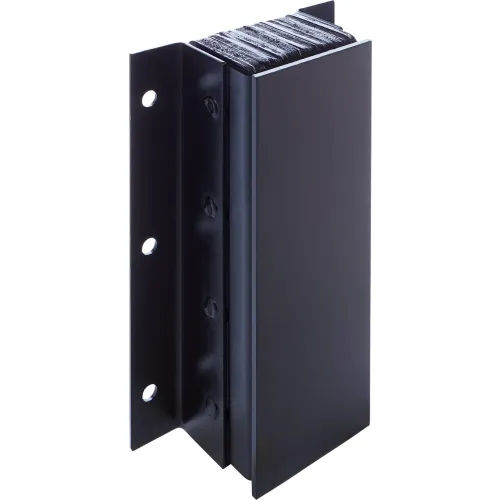 Steel-Faced Laminated Rubber Bumper: 5 Field Problems Buyers Keep Finding After Installation
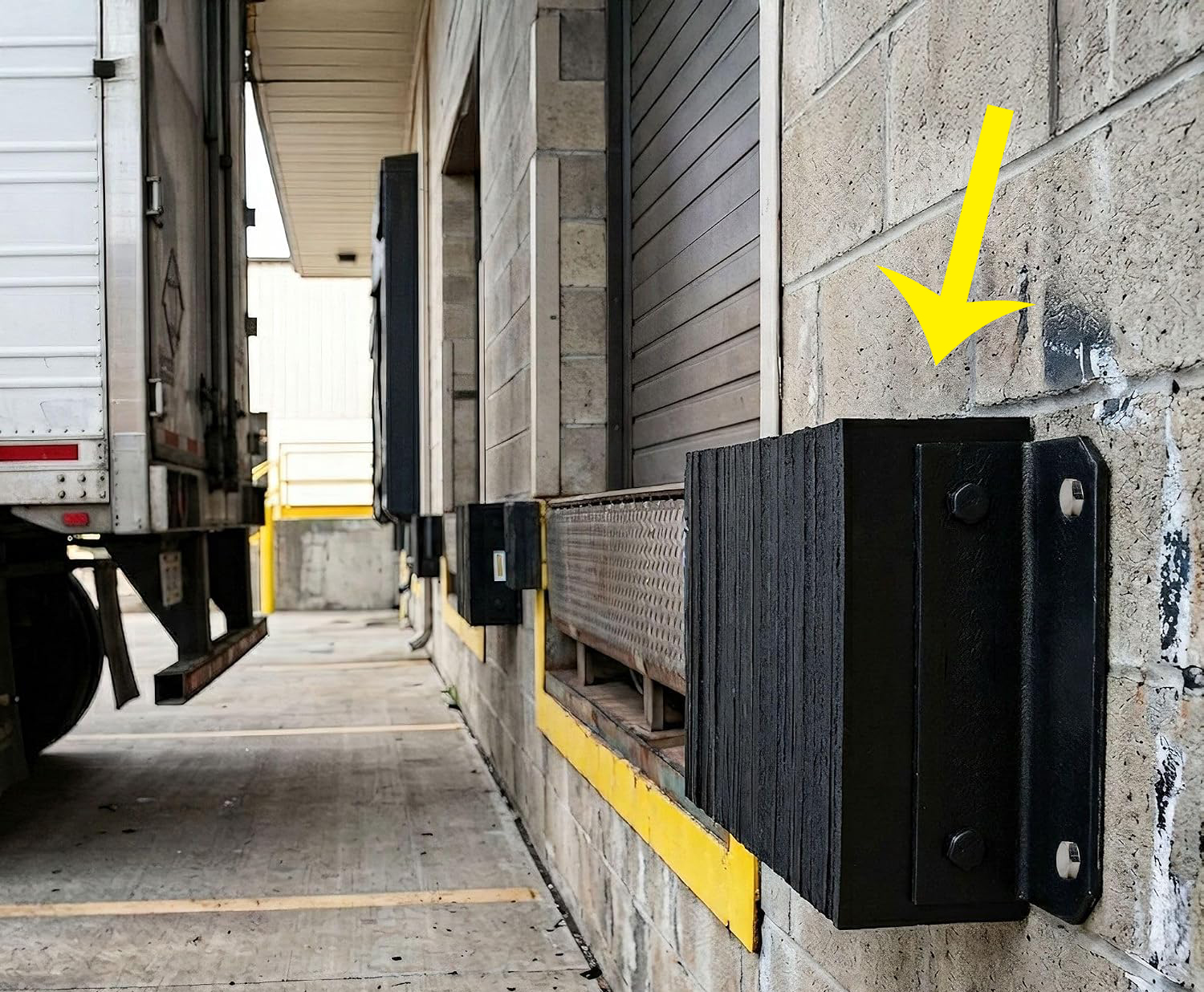 Rubber Laminated Loading Dock Bumper with Steel Angle: 5 Field Failure Signs That Point Back to the RFQ
 Bridge Bearing Pad Field Failure: 5 Visual Signs Before It Retires (And What Caused It)
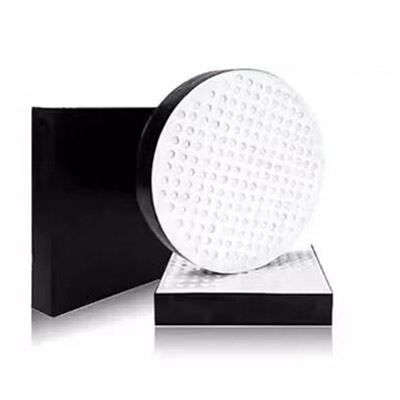 Bridge Bearing Pad RFQ Checklist: 9 Lines That Stop Suppliers From Subbing the Rubber