
The nuclear industry, with its intricate systems and stringent safety requirements, demands materials and components that can withstand extreme conditions while maintaining reliability and performance. Among these components, rubber plugs play a crucial role, often serving as critical sealing elements in various nuclear applications. This article explores the diverse applications of rubber plugs in the nuclear industry, highlighting their importance, the specific properties required, and the challenges associated with their use.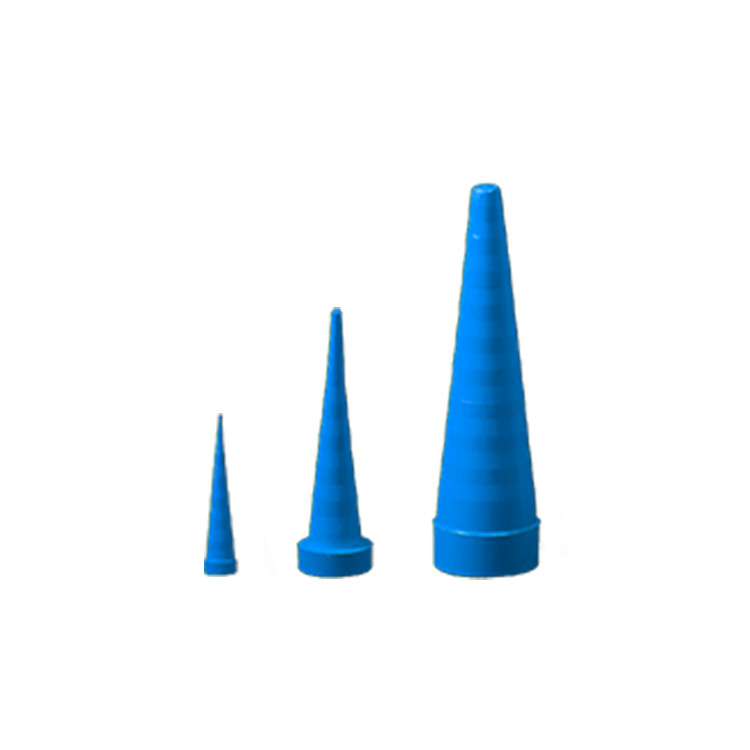
Introduction to Rubber Plugs in Nuclear Industry
Rubber plugs are versatile sealing devices widely employed across industries for containing fluids, gases, or other substances within a system. In the nuclear industry, these plugs are indispensable due to the high-stakes nature of the operations, where even minor leaks can have catastrophic consequences. They are used in a variety of nuclear facilities, including nuclear power plants, research reactors, and radioactive waste storage and disposal sites.
Rubber plugs in nuclear applications are designed to meet rigorous specifications, often exceeding those in conventional industries. The materials used must exhibit exceptional resistance to radiation, high temperatures, pressures, and corrosive environments. Additionally, they must maintain their sealing integrity over extended periods, ensuring the safety and efficiency of nuclear operations.
Key Properties of Rubber Plugs for Nuclear Applications
1. Radiation Resistance
One of the most critical properties of rubber plugs used in nuclear environments is their ability to withstand radiation exposure. High levels of radiation can degrade materials, leading to a loss of sealing performance. Therefore, rubber formulations specifically engineered for nuclear applications incorporate radiation-resistant polymers and additives. These materials undergo extensive testing to ensure they maintain their physical and mechanical properties even after prolonged exposure to ionizing radiation.
2. Temperature Resistance
Nuclear facilities operate under a wide range of temperatures, from cryogenic conditions to extremely high temperatures associated with reactor cores. Rubber plugs must be capable of maintaining their sealing capabilities within these extreme temperature ranges. This requires the use of thermally stable elastomers that retain flexibility and strength without hardening or decomposing.
3. Pressure Resistance
In nuclear systems, rubber plugs are often subjected to high pressures, both internally and externally. They must be designed to withstand these pressures without deformation or leakage. Special attention is given to the plug's design, including its shape, size, and the material's tensile and compressive strength, to ensure it can handle the anticipated pressure loads.
4. Chemical Compatibility
Nuclear environments often contain a variety of chemicals, including coolants, lubricants, and radioactive isotopes. Rubber plugs must be compatible with these substances to avoid degradation or contamination. Material selection is crucial, with elastomers chosen based on their resistance to specific chemicals likely to be encountered in the application.
5. Durability and Longevity
Given the long operational lifespan of nuclear facilities, rubber plugs must be durable and have a long service life. This necessitates materials that resist aging, wear, and fatigue, ensuring consistent sealing performance over decades. Regular inspection and maintenance protocols are also essential to monitor the condition of rubber plugs and replace them as necessary.
Applications of Rubber Plugs in Nuclear Industry
1. Reactor Coolant Systems
Reactor coolant systems are vital in nuclear power plants, responsible for transferring heat generated by the reactor core to steam generators. Rubber plugs are used in various components of these systems, such as valves, pumps, and piping connections, to prevent leaks and maintain the integrity of the coolant circuit. The plugs must withstand the high temperatures and pressures of the coolant, as well as be compatible with the coolant fluid itself.
2. Fuel Assembly Handling and Storage
Fuel assemblies, containing uranium or plutonium pellets, are handled and stored in specialized equipment within nuclear power plants. Rubber plugs are employed in these systems to seal compartments, preventing the escape of radioactive materials. They must be highly reliable, as any leakage could pose a significant radiation hazard.
3. Containment Buildings and Systems
Containment buildings are designed to encapsulate the reactor and associated systems, providing a barrier against the release of radioactive materials in the event of an accident. Rubber seals, including plugs, are critical in maintaining the structural integrity of containment buildings, sealing doors, hatches, and penetration points for cables and pipes. These plugs must be capable of withstanding not only high pressures but also the potential impact of debris in extreme scenarios.
4. Radioactive Waste Management
In radioactive waste management, rubber plugs are used in storage containers, drums, and transportation casks to ensure the safe confinement of radioactive materials. The plugs must be robust enough to prevent leaks, even under conditions of long-term storage and transportation, where they may be subjected to temperature fluctuations, mechanical stress, and chemical exposure.
5. Instrumentation and Control Systems
Instrumentation and control systems in nuclear facilities rely on sensors, valves, and other components that often require sealing. Rubber plugs are used in these applications to prevent the ingress of moisture, contaminants, or gases that could compromise the performance of sensitive equipment. Their material and design must accommodate the specific environmental conditions and operational requirements of the system.
Challenges and Considerations in Using Rubber Plugs in Nuclear Industry
1. Regulatory Compliance
The nuclear industry is highly regulated, with stringent safety standards governed by national and international bodies. Rubber plugs used in nuclear applications must comply with these regulations, undergoing rigorous testing and certification to demonstrate their suitability for the intended purpose. This includes meeting specific performance criteria for radiation resistance, temperature stability, and chemical compatibility.
2. Material Traceability and Quality Control
Ensuring the traceability of materials used in nuclear components, including rubber plugs, is crucial for safety and accountability. Manufacturers must maintain detailed records of raw material sources, processing steps, and quality control tests. This traceability helps in identifying potential issues and implementing corrective measures promptly.
3. Long-Term Performance Monitoring
Given the long operational lifespan of nuclear facilities, monitoring the performance of rubber plugs over time is essential. This involves regular inspections, non-destructive testing, and the development of predictive maintenance strategies to identify and address potential degradation or failures before they impact system integrity.
4. Disposal and Decommissioning Considerations
When nuclear facilities are decommissioned, the safe disposal of all components, including rubber plugs, becomes a critical issue. These materials must be handled according to established protocols to minimize environmental and health risks. This may involve special disposal methods or treatments to render them safe for conventional waste streams.
Rubber plugs play a vital role in the nuclear industry, ensuring the safe and efficient operation of complex systems. Their ability to withstand extreme conditions, combined with their critical sealing function, makes them indispensable in applications ranging from reactor coolant systems to radioactive waste management. However, using rubber plugs in nuclear environments presents unique challenges, necessitating rigorous material selection, regulatory compliance, and long-term performance monitoring. By addressing these challenges, the nuclear industry can continue to rely on rubber plugs as a fundamental component of its safety and operational infrastructure.
 Rubber Inflatable Mandrel vs Steel / Wooden Core Form: When the Bag Actually Saves Money
 Rubber Inflatable Concrete Formwork: 5 Site Problems That Show Up After Demolding
 Successful Participation in WindEnergy Hamburg 2026
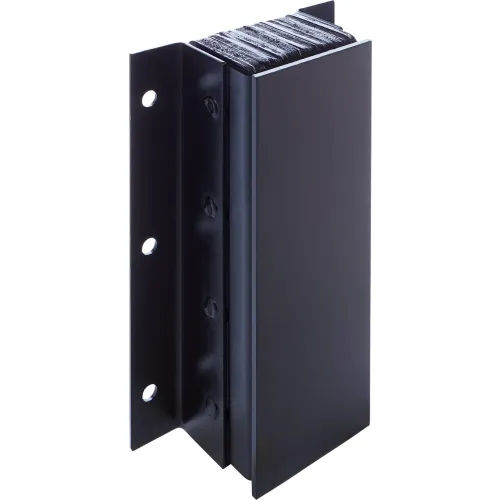 Steel-Faced Laminated Rubber Bumper: 5 Field Problems Buyers Keep Finding After Installation
