
In the realm of industrial design and engineering, rubber plugs play a crucial role in various applications, from sealing fluid systems to preventing contaminants from entering sensitive equipment. One particularly critical aspect of rubber plug design, especially in sectors like automotive, aerospace, and electrical engineering, is fire resistance. Ensuring that rubber plugs can withstand high temperatures and flames is not only a matter of safety but also of regulatory compliance and product reliability. This article delves into the intricacies of designing rubber plugs for fire resistance, highlighting materials, manufacturing processes, and design considerations to achieve optimal performance.
Understanding Fire Resistance in Rubber Materials
Fire resistance in rubber materials is a multifaceted property that encompasses several aspects, including ignition resistance, flame spread, heat release, smoke production, and char formation. Different rubber compounds exhibit varying degrees of these properties, making the choice of material critical for fire-resistant rubber plugs.
1. Material Selection:
Silicone Rubber: Known for its excellent heat resistance and ability to maintain flexibility over a wide temperature range, silicone rubber is often a top choice for fire-resistant applications. It has a low smoke density and non-toxic fume emission, making it suitable for environments where safety is paramount.
Neoprene (Chloroprene Rubber): Neoprene offers good resistance to oils, fuels, and chemicals, along with moderate heat resistance. It chars rather than burns, slowing down the spread of flame.
Viton (Fluoroelastomer): This high-performance rubber is renowned for its resistance to high temperatures and aggressive chemicals. It maintains flexibility and strength even in extreme conditions, making it suitable for applications exposed to both heat and harsh chemicals.
EPDM (Ethylene Propylene Diene Monomer): While primarily known for its ozone and weather resistance, some grades of EPDM can be formulated to enhance their fire-resistant properties, making them viable options in specific applications.
2. Fire-Retardant Additives:
Incorporating fire-retardant additives into rubber formulations can significantly enhance their fire-resistant characteristics. These additives work by interrupting the combustion process in various ways:
Aluminum Trihydrate (ATH) and Magnesium Hydroxide (MH): These inorganic fillers absorb heat, releasing water vapor during combustion, which dilutes flammable gases and cools the material.
Halogenated Compounds: Historically used, halogenated flame retardants can be effective but may raise environmental and health concerns. Modern trends favor halogen-free alternatives.
Phosphorus-Based Additives: These chemicals promote the formation of a protective char layer that insulates the material from heat and oxygen, retarding flame spread.
Nanomaterials: The inclusion of nanofillers like clay or graphene can enhance the thermal stability and flame retardancy of rubber compounds.
Design Considerations for Fire-Resistant Rubber Plugs
Designing a rubber plug that not only meets functional requirements but also exhibits fire resistance involves careful consideration of shape, size, and integration with the overall system.
1. Shape and Size:
Compact Design: Keeping the plug compact minimizes exposed surface area, reducing the risk of ignition and flame spread. Optimize the plug's geometry to fit snugly within the sealing cavity, minimizing gaps that could allow flame ingress.
Thickness:适当增加橡胶塞的厚度可以提供更好的隔热效果,减缓热量传递至内部结构的速度。然而,过厚的橡胶塞可能会增加材料成本和安装难度,因此需要在性能和经济性之间找到平衡。
Ventilation Channels: Designing ventilation channels within the plug can help manage heat build-up, directing it away from critical components. However, these must be carefully engineered to prevent flame propagation through these channels.
2. Material Distribution:
Gradient Materials: Utilize a gradient in material properties, with more fire-resistant compounds near potential heat sources and less resistant materials in less critical areas. This can optimize cost and performance.
Multi-Layer Constructions: Employing multi-layer rubber plugs, where each layer serves a specific function (e.g., fire resistance, sealing, flexibility), can enhance overall performance. Ensure proper adhesion between layers to maintain integrity under stress and heat.
3. Integration with the System:
Thermal Barriers: Integrate thermal barriers or insulation around the plug to provide an additional layer of protection against heat. This can be particularly effective in applications where direct flame exposure is likely.
Fire-Stop Systems: In critical systems, incorporate fire-stop sleeves or wraps around the rubber plug. These systems are designed to swell and seal off openings in the event of a fire, preventing flame and smoke spread.
Fire-Detection and -Suppression Mechanisms: Incorporate sensors and suppression mechanisms, such as sprinklers or foam extinguishers, nearby to detect and mitigate fire threats promptly.
Manufacturing Processes for Fire-Resistant Rubber Plugs
The manufacturing process plays a pivotal role in ensuring that the designed fire-resistant properties of rubber plugs are realized in the final product.
1. Compounding:
Accurate metering and mixing of raw materials are crucial. Use precision equipment to blend the rubber base with fire-retardant additives, ensuring homogeneous distribution. Conduct regular quality checks to verify compound properties.
2. Molding Techniques:
Injection Molding: Suitable for high-volume production, injection molding ensures consistent part dimensions and material properties. Optimize molding parameters, such as temperature and pressure, to minimize porosity and enhance fire resistance.
Compression Molding: Ideal for complex shapes and thicker sections, compression molding allows for better material flow and compression of the mold cavity, resulting in dense, flame-resistant parts.
Transfer Molding: Useful for smaller, intricate parts, transfer molding ensures precise placement of material, reducing waste and enhancing part quality.
3. Post-Curing:
Post-curing treatments can further enhance the fire-resistant properties of rubber plugs by promoting cross-linking and stabilizing the material structure. Control the curing environment, including temperature and humidity, to achieve optimal results.
4. Quality Control and Testing:
Implement rigorous quality control measures throughout the manufacturing process, from raw material inspection to final product testing. Conduct fire-resistance tests according to relevant standards (e.g., UL 94. ASTM E1354) to verify compliance and performance.
Designing rubber plugs for fire resistance is a multi-faceted endeavor that requires a deep understanding of material science, engineering principles, and manufacturing processes. By carefully selecting fire-resistant rubber compounds, incorporating effective fire-retardant additives, and considering shape, size, and integration within the system, engineers can create rubber plugs that not only meet functional requirements but also provide critical safety barriers against fire threats. Rigorous testing and quality control throughout the manufacturing process ensure that these designs are realized in the final product, contributing to safer, more reliable industrial systems. As technology advances and regulatory standards evolve, continuous innovation in material science and manufacturing techniques will be essential to meeting the evolving challenges of fire resistance in rubber plug design.
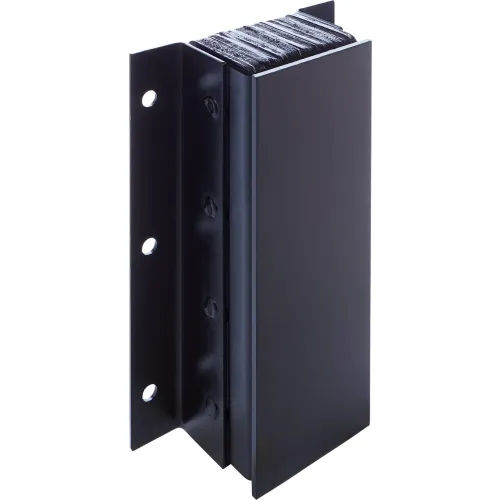 Steel-Faced Laminated Rubber Bumper: 5 Field Problems Buyers Keep Finding After Installation
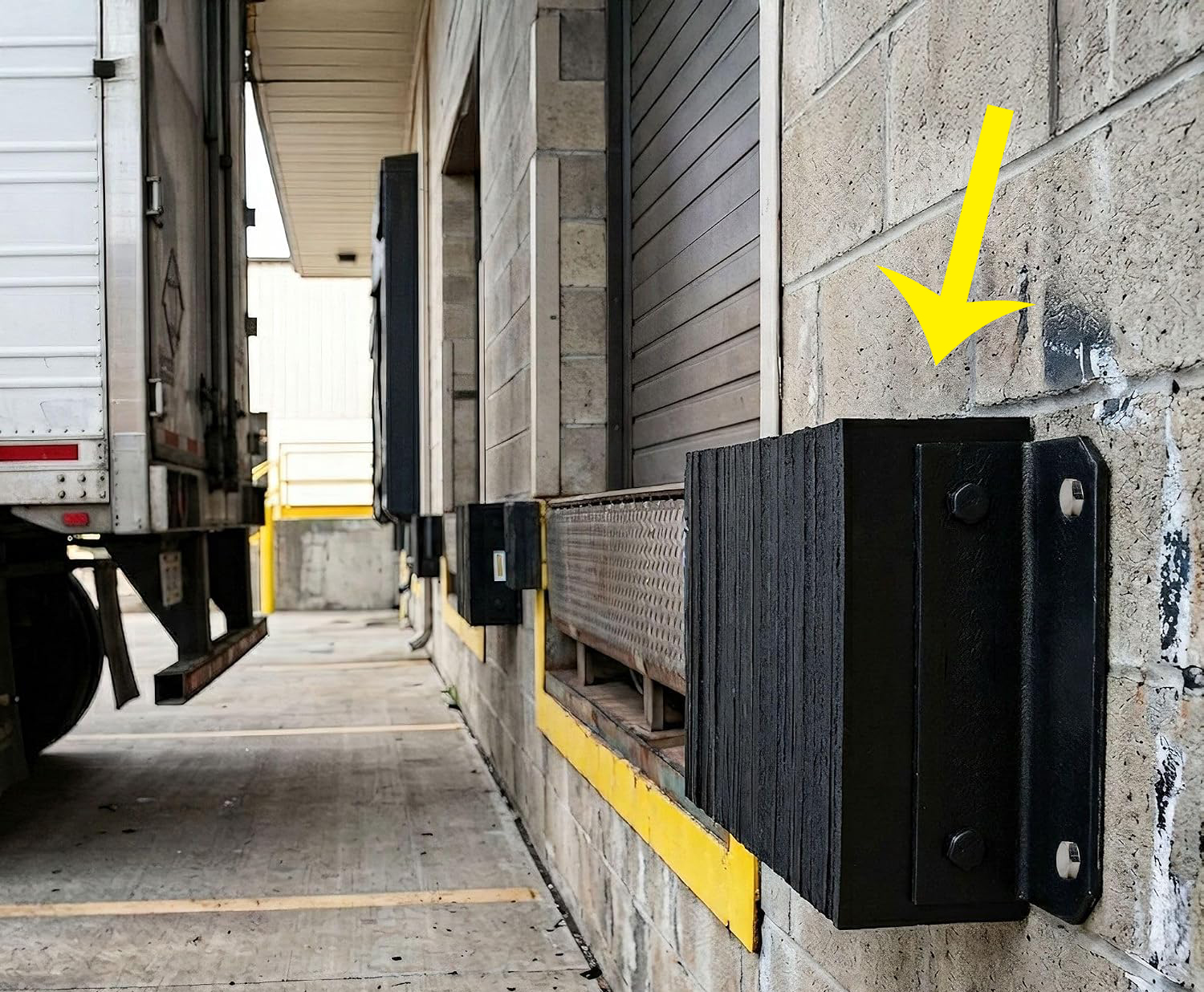 Rubber Laminated Loading Dock Bumper with Steel Angle: 5 Field Failure Signs That Point Back to the RFQ
 Bridge Bearing Pad Field Failure: 5 Visual Signs Before It Retires (And What Caused It)
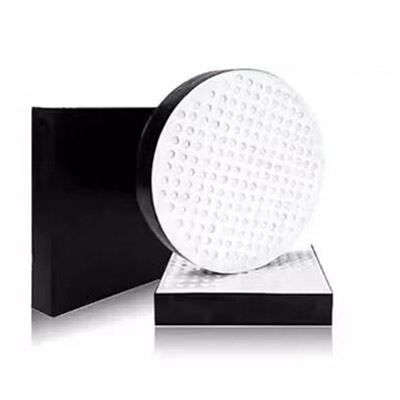 Bridge Bearing Pad RFQ Checklist: 9 Lines That Stop Suppliers From Subbing the Rubber