
Rubber plugs are versatile components used across various industries for sealing, protecting, and isolating different systems. Their effectiveness largely depends on their physical properties, including hardness. Rubber plug hardness ratings are crucial indicators that determine how a plug will perform in specific applications. Understanding these ratings is essential for engineers, designers, and procurement specialists to ensure that the selected rubber plugs meet the functional requirements of their respective applications.
Introduction to Rubber Hardness
Hardness is a measure of a material's resistance to indentation or scratching. In the context of rubber, hardness is typically evaluated using the Shore durometer scale, which is specifically designed for softer materials like rubber, plastics, and elastomers. The Shore durometer scale provides a numerical value that corresponds to the material's hardness, ranging from very soft to very hard.
There are several Shore durometer scales, but the most commonly used for rubber materials are Shore A and Shore D. Shore A is used for softer rubbers, while Shore D is used for harder ones. The hardness value indicates the force required to indent the material to a specific depth using a standardized indenter.
Importance of Hardness Ratings in Rubber Plugs
Rubber plugs are used in a wide range of applications, from automotive and aerospace to medical and food processing. The hardness of the rubber plug is a critical factor in determining its performance in these applications. Here are some key reasons why hardness ratings are important:
Seal Integrity: The hardness of a rubber plug affects its ability to create a tight seal. Softer plugs can conform better to irregular surfaces, providing a more effective seal. Harder plugs, on the other hand, may not conform well and may result in leaks.
Durability: Harder rubber plugs are generally more resistant to wear and tear, making them suitable for applications where they are exposed to friction or abrasive surfaces. Softer plugs may wear out more quickly in such environments.
Compression Set: Compression set refers to the permanent deformation of a rubber material after being compressed for an extended period. Harder rubber plugs tend to have lower compression set, meaning they retain their shape better after being compressed. This is important in applications where the plug needs to maintain its sealing properties over time.
Temperature Resistance: The hardness of a rubber material can change with temperature. Understanding the hardness rating at different temperatures helps in selecting materials that will perform well in varying environmental conditions.
Chemical Compatibility: Different rubber compounds have varying degrees of resistance to chemicals. The hardness of the rubber can affect its chemical compatibility. Knowing the hardness rating helps in selecting materials that are compatible with the specific chemicals present in the application.
Measuring Rubber Plug Hardness
Measuring the hardness of a rubber plug involves using a Shore durometer. Here's a step-by-step guide to performing the test:
Preparation: Ensure that the rubber plug is clean and free of any contaminants that could affect the test results. Allow the plug to reach room temperature if it has been exposed to extreme temperatures.
Selection of Durometer Scale: Choose the appropriate Shore durometer scale based on the expected hardness of the rubber plug. For most rubber plugs, the Shore A scale is used.
Positioning the Indenter: Place the durometer's indenter perpendicular to the surface of the rubber plug. Ensure that the indenter is in full contact with the surface.
Applying Pressure: Apply pressure to the durometer until the indenter fully penetrates the rubber plug to the specified depth. The durometer will indicate the hardness value based on the force required to achieve this penetration.
Reading the Result: Record the hardness value displayed on the durometer. This value represents the hardness of the rubber plug at the tested location.
Multiple Measurements: To ensure accuracy, perform the test at multiple locations on the rubber plug and average the results.
Factors Affecting Rubber Plug Hardness
Several factors can influence the hardness of a rubber plug, including:
Rubber Compound: Different rubber compounds have inherent hardness properties. For example, natural rubber tends to be softer than synthetic rubbers like nitrile or silicone.
Fillers and Additives: The addition of fillers and additives can affect the hardness of a rubber compound. Fillers like carbon black or clay can increase hardness, while plasticizers can decrease it.
Vulcanization: The vulcanization process, which cross-links the rubber molecules, can also affect hardness. Higher vulcanization temperatures and longer durations typically result in harder rubber.
Temperature: As mentioned earlier, the hardness of rubber can change with temperature. Rubber becomes softer at higher temperatures and harder at lower temperatures.
Aging: Over time, rubber materials can undergo chemical and physical changes that affect their hardness. Exposure to UV light, ozone, and other environmental factors can cause rubber to harden or soften.
Choosing the Right Hardness for Your Application
Selecting the right hardness for a rubber plug involves considering the specific requirements of the application. Here are some guidelines to help you make an informed decision:
Seal Requirements: Determine the level of sealing performance required. Softer plugs are often better for applications where a tight seal is critical, such as in vacuum systems or high-pressure environments.
Environmental Conditions: Consider the temperature and chemical exposure the plug will experience. Select a rubber compound and hardness rating that can withstand these conditions without significant degradation.
Wear and Tear: Assess the level of wear and tear the plug will undergo. Harder plugs are more resistant to abrasion and friction, making them suitable for applications where durability is a priority.
Compression Set: If the plug will be compressed for extended periods, choose a material with a low compression set to ensure it maintains its sealing properties over time.
Cost Considerations: Harder rubber compounds may be more cost-effective in high-volume applications due to their longer lifespan and reduced maintenance requirements.
Rubber plug hardness ratings are essential indicators of a material's performance in specific applications. Understanding these ratings and the factors that affect them helps in selecting the right rubber plug for the job. By considering the seal requirements, environmental conditions, wear and tear, compression set, and cost considerations, engineers and procurement specialists can ensure that the rubber plugs they choose meet the functional requirements of their respective applications.
In summary, rubber plug hardness is a critical property that determines its suitability for various sealing and protective applications. By measuring and understanding the hardness ratings, professionals can make informed decisions that ensure the effectiveness and durability of the rubber plugs in their systems. Regular testing and monitoring of rubber plug hardness, along with considering the factors that can affect it, are essential practices for maintaining optimal performance in diverse industrial settings.
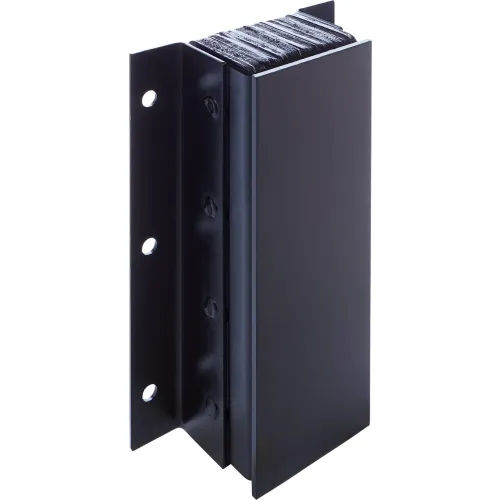 Steel-Faced Laminated Rubber Bumper: 5 Field Problems Buyers Keep Finding After Installation
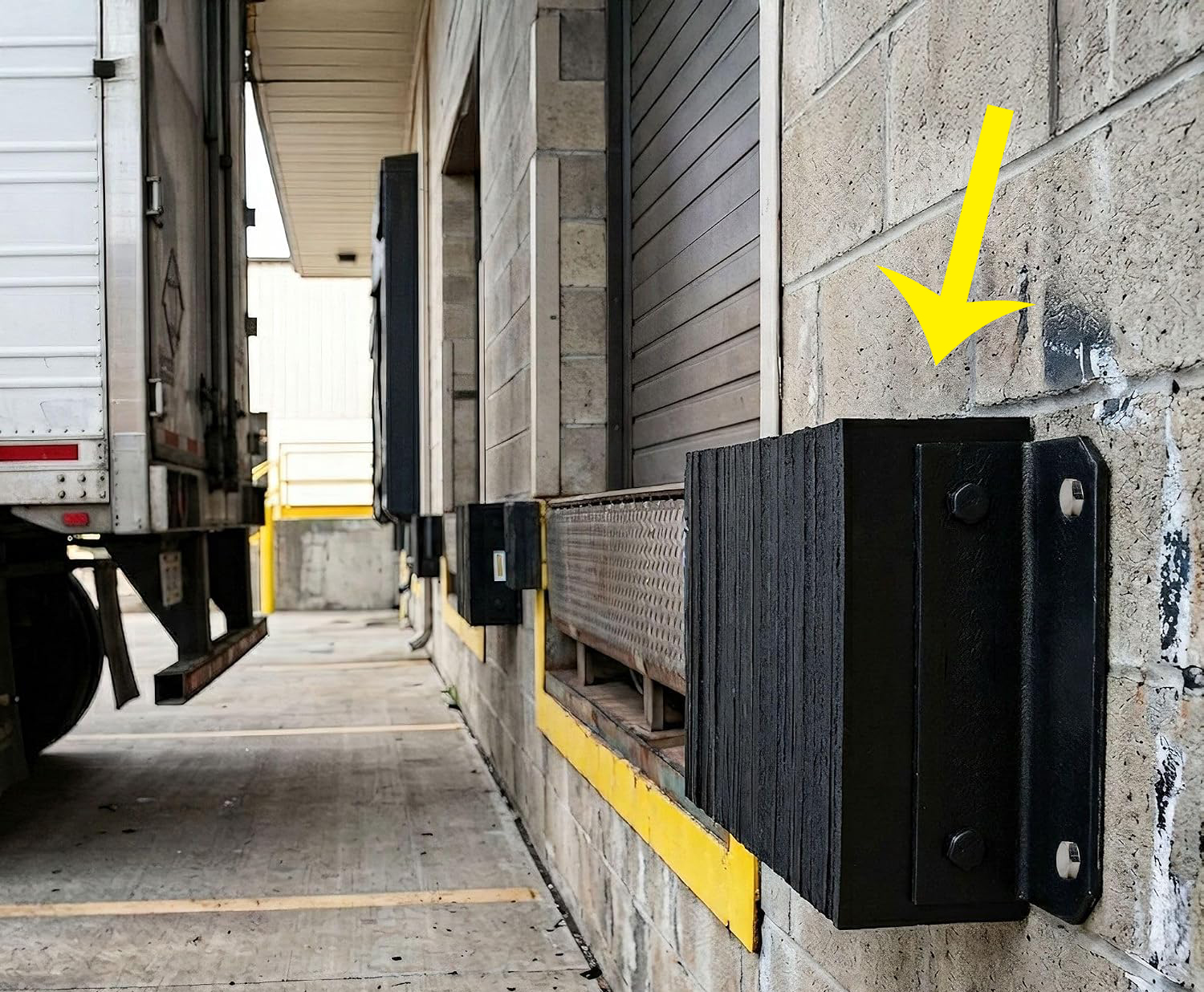 Rubber Laminated Loading Dock Bumper with Steel Angle: 5 Field Failure Signs That Point Back to the RFQ
 Bridge Bearing Pad Field Failure: 5 Visual Signs Before It Retires (And What Caused It)
 Bridge Bearing Pad RFQ Checklist: 9 Lines That Stop Suppliers From Subbing the Rubber