
In the realm of dynamic systems, rubber plugs play a crucial role in sealing, isolating, and protecting various components from environmental factors, fluids, and pressures. Whether they are utilized in automotive applications, industrial machinery, or consumer products, rubber plugs must exhibit exceptional performance characteristics to ensure reliability and durability. This article delves into the intricacies of optimizing rubber plug performance in dynamic systems, highlighting key considerations, materials, design principles, and testing methodologies to achieve optimal functionality.
Understanding the Dynamics of Dynamic Systems
Dynamic systems refer to those that undergo continuous change or operate under variable conditions. In such systems, rubber plugs are subjected to a range of mechanical stresses, temperatures, and chemical exposures. The dynamic nature of these systems necessitates rubber plugs that can withstand repeated cycles of compression, extension, and flexure without compromising their sealing capabilities.
Key Considerations for Optimizing Rubber Plug Performance
1. Material Selection
The choice of rubber material is paramount in determining the performance of rubber plugs in dynamic systems. Several factors influence material selection, including:
Elastomer Type: Elastomers like natural rubber, nitrile rubber, silicone rubber, and ethylene propylene diene monomer (EPDM) offer distinct properties. Natural rubber excels in elasticity and resilience, while nitrile rubber provides excellent resistance to oils and fuels. Silicone rubber is known for its temperature stability and biocompatibility, while EPDM is suitable for outdoor applications due to its resistance to weathering.
Compound Formulation: Custom compounding allows for the tailoring of rubber properties to specific application needs. Additives such as fillers, plasticizers, antioxidants, and stabilizers can enhance wear resistance, hardness, and chemical compatibility.
Environmental Factors: The operating environment of the dynamic system must be considered. For instance, high-temperature applications may require thermally stable rubber formulations, while exposure to aggressive chemicals necessitates chemical-resistant materials.
2. Design Principles
The design of rubber plugs plays a vital role in their performance within dynamic systems. Key design principles include:
Shape and Size: The shape and size of the rubber plug should be optimized to fit the sealing surface precisely. Over-sized or under-sized plugs can lead to improper sealing and premature failure.
Compression Set: Compression set refers to the permanent deformation of a rubber material after being compressed for an extended period. Low compression set materials are preferred in dynamic systems to maintain consistent sealing pressure over time.
Durability: The design should incorporate features that enhance durability, such as reinforced edges and stress-distribution elements. This helps in mitigating stress concentrations that can lead to crack formation and material failure.
Tolerance Considerations: Manufacturing tolerances in both the rubber plug and the sealing surface must be accounted for. Tight tolerances can result in installation difficulties, while excessive tolerances can compromise sealing effectiveness.
3. Installation and Removal
The ease of installation and removal of rubber plugs in dynamic systems can impact their performance and longevity. Considerations include:
Insertion Force: The force required to insert the rubber plug should be minimized to prevent damage to the plug or the sealing surface.
Retention Mechanism: A secure retention mechanism, such as an interference fit or an undercut feature, ensures that the plug remains in place during operation.
Removal Techniques: Efficient removal techniques that minimize stress on the rubber material are crucial. Tools or fixtures designed specifically for plug removal can prevent tearing or stretching.
Advanced Techniques for Performance Optimization
1. Finite Element Analysis (FEA)
FEA is a computational technique used to predict the behavior of structures under various loading conditions. In the context of rubber plugs, FEA can be employed to:
Analyze stress distributions within the plug and identify potential failure points.
Optimize the plug's geometry to improve stress distribution and reduce wear.
Simulate dynamic loading conditions to assess the plug's performance over time.
2. Tribological Testing
Tribology is the study of friction, wear, and lubrication. Tribological testing of rubber plugs involves evaluating their performance under controlled friction and wear conditions. This includes:
Wear testing to determine the plug's resistance to abrasive wear and fatigue.
Friction coefficient measurements to understand how the plug interacts with the sealing surface.
Lubricity testing to assess the benefits of using lubricants or coatings to reduce friction and wear.
3. Accelerated Aging Tests
Accelerated aging tests expose rubber plugs to elevated temperatures, humidity, and other environmental stressors to simulate long-term aging effects. These tests provide insights into:
The plug's resistance to embrittlement, hardening, and cracking over time.
Changes in mechanical properties, such as elasticity and tensile strength.
The impact of aging on sealing performance and durability.
Practical Implementation and Maintenance
1. Installation Protocols
Establishing clear installation protocols ensures that rubber plugs are installed correctly and consistently. Protocols should include:
Detailed instructions for plug insertion, including recommended tools and techniques.
Inspection criteria to verify proper installation and seating of the plug.
Documentation requirements to track installation dates, inspector information, and any anomalies.
2. Regular Maintenance
Regular maintenance checks are essential for monitoring the performance of rubber plugs in dynamic systems. This includes:
Visual inspections for signs of wear, cracking, or deformation.
Functional tests to verify sealing integrity and pressure holding capabilities.
Replacement schedules based on wear patterns and operating conditions.
3. Condition Monitoring
Condition monitoring techniques, such as vibration analysis and ultrasonic testing, can provide early warnings of impending plug failure. These techniques allow for:
Detection of abnormal vibrations or sounds that may indicate plug movement or sealing issues.
Non-destructive evaluation of the plug's internal structure for cracks or voids.
Trend analysis to identify patterns in plug degradation and adjust maintenance schedules accordingly.
Optimizing rubber plug performance in dynamic systems requires a comprehensive approach that integrates material selection, design principles, advanced techniques, and practical implementation strategies. By carefully considering the operating environment, selecting appropriate materials, designing robust plug geometries, and implementing effective installation and maintenance protocols, engineers can significantly enhance the reliability and durability of rubber plugs in dynamic applications. Continuous monitoring and testing, combined with a proactive maintenance approach, ensure that rubber plugs maintain their sealing capabilities and contribute to the overall performance of the dynamic system. As technology advances and new materials emerge, the optimization of rubber plug performance will continue to evolve, driving innovations in sealing solutions across various industries.
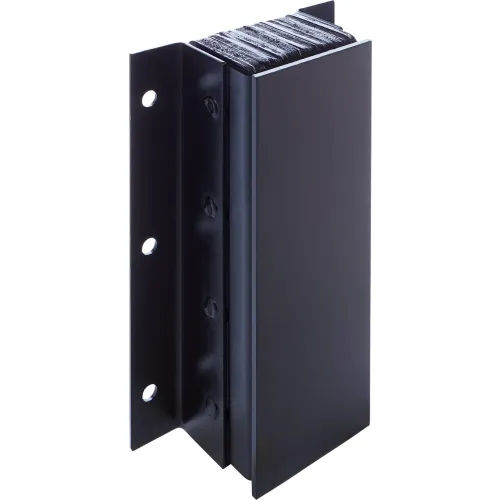 Steel-Faced Laminated Rubber Bumper: 5 Field Problems Buyers Keep Finding After Installation
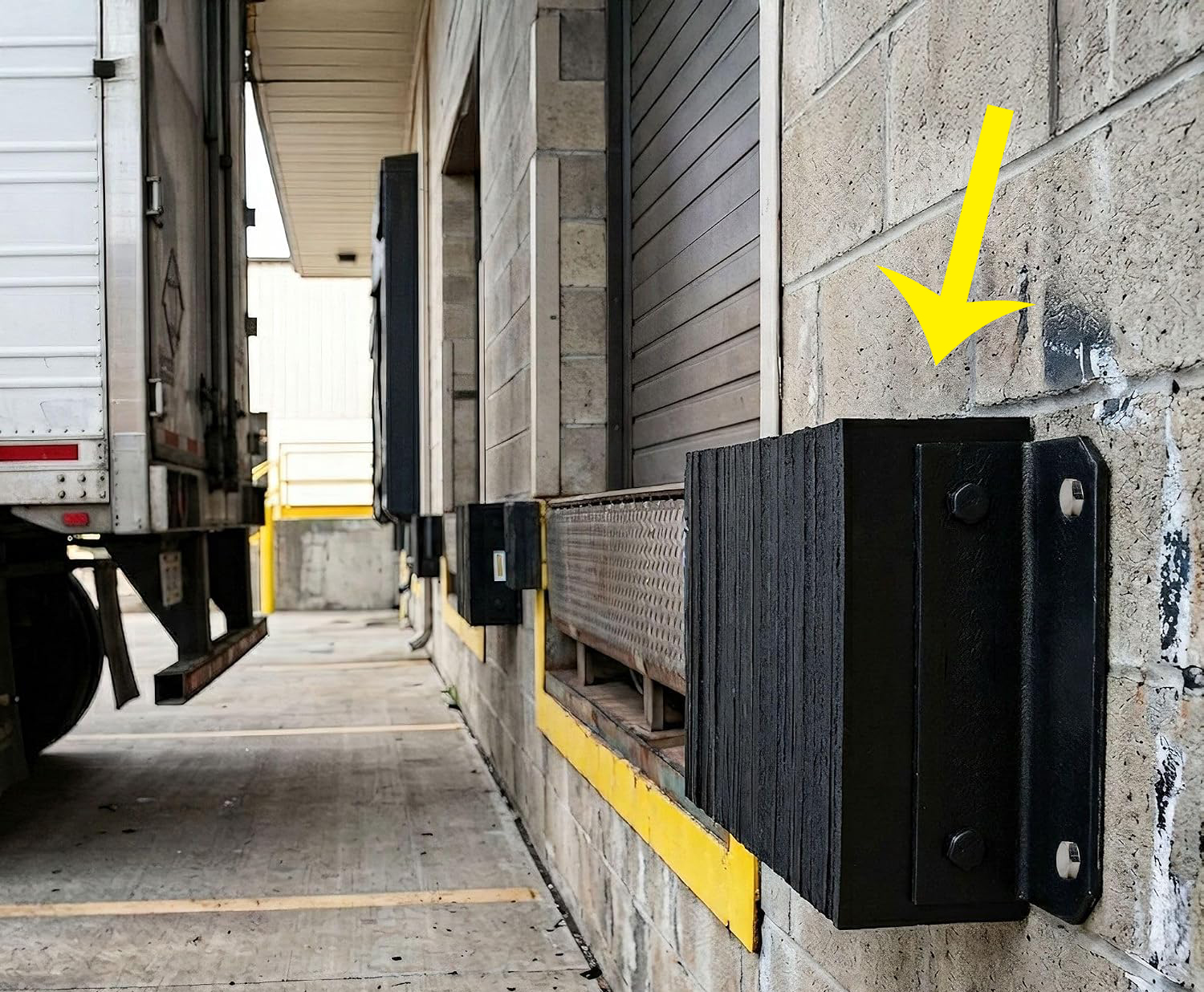 Rubber Laminated Loading Dock Bumper with Steel Angle: 5 Field Failure Signs That Point Back to the RFQ
 Bridge Bearing Pad Field Failure: 5 Visual Signs Before It Retires (And What Caused It)
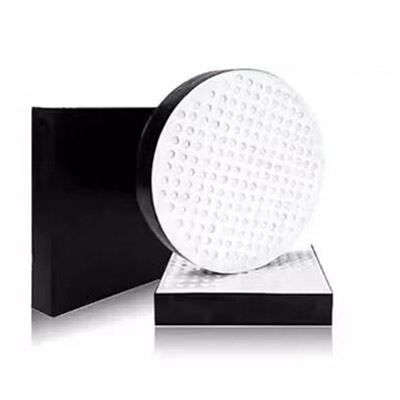 Bridge Bearing Pad RFQ Checklist: 9 Lines That Stop Suppliers From Subbing the Rubber