
In the realm of renewable energy, solar power stands as a beacon of hope for a sustainable future. With the relentless pursuit of harnessing the sun's energy, technological advancements have continuously refined solar energy systems, making them more efficient, durable, and reliable. Among the myriad of components that contribute to the seamless operation of these systems, rubber plugs play a crucial yet often overlooked role. This article delves into the significance of rubber plugs within solar energy systems, exploring their functions, material properties, design considerations, and the broader implications for the industry.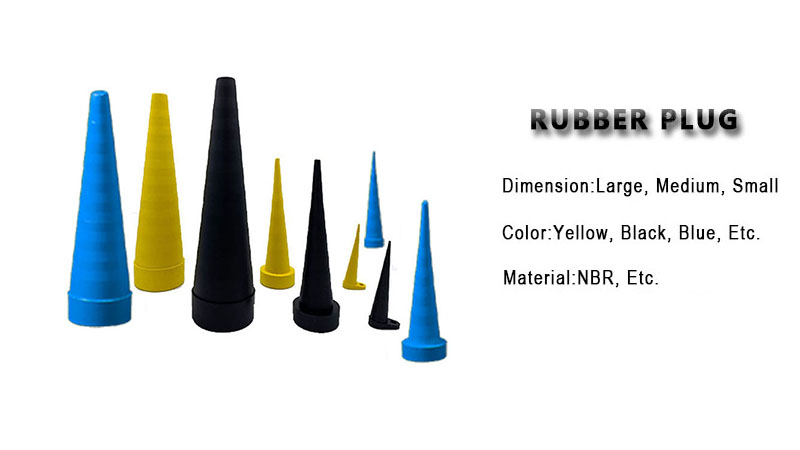
Introduction to Solar Energy Systems
Solar energy systems primarily convert sunlight into electrical energy through photovoltaic (PV) cells or concentrate sunlight to generate heat, which can then be used for various applications. PV systems, in particular, have gained widespread adoption due to their ability to provide a clean and continuous source of power. These systems typically consist of PV panels, inverters, mounting systems, wiring, and a range of ancillary components, each playing a vital part in ensuring optimal performance.
The Functionality of Rubber Plugs
Rubber plugs, while seemingly insignificant, are integral to maintaining the integrity and efficiency of solar energy systems. Their primary function is to provide a secure seal in various components and connections, preventing the ingress of moisture, dust, and other contaminants. This is particularly critical in outdoor applications where solar panels are exposed to extreme weather conditions, including rain, snow, and high winds.
Sealing and Protection
Rubber plugs are used in:
Cable Entries: Sealing cable entries into junction boxes and inverters prevents moisture from penetrating and causing short circuits or corrosion.
Panel Edges: Sealing the edges of solar panels can further protect the internal electronics from environmental damage.
Mounting Systems: In some mounting systems, rubber plugs ensure a tight fit between the panel and the mounting frame, minimizing the risk of water infiltration.
Vibration Dampening
Rubber's inherent elasticity also makes it an excellent material for dampening vibrations. In solar energy systems, this is particularly important for components like inverters, which can experience mechanical stress due to operational vibrations or external forces like wind. By absorbing these vibrations, rubber plugs help extend the lifespan of sensitive electronics and reduce the risk of failures.
Material Properties of Rubber Plugs
The choice of rubber material for plugs is critical, as it directly influences their performance and durability. Several factors must be considered, including:
Durability: The rubber must be able to withstand exposure to UV radiation, extreme temperatures, and chemical agents present in the environment.
Elasticity: Good elasticity ensures that the plugs maintain a tight seal over time, even as the materials around them expand or contract due to temperature changes.
Chemical Resistance: Resistance to oils, acids, and other chemicals found in solar system components is essential to prevent degradation.
Fire Resistance: In safety-critical applications, rubber plugs must meet specific fire-resistance standards to minimize the risk of fire spread in the event of a malfunction.
Common types of rubber used in solar energy systems include:
Ethylene Propylene Diene Monomer (EPDM): Known for its excellent weatherability and resistance to ozone and UV radiation.
Silicone: Offers high temperature stability and resistance to chemicals, making it suitable for harsh environments.
Nitrile (NBR): Resistant to oils and fuels, often used in applications where there is a risk of hydrocarbon exposure.
Design Considerations for Rubber Plugs
Designing effective rubber plugs for solar energy systems involves a multi-faceted approach, balancing performance requirements with manufacturing constraints. Key considerations include:
Dimensional Accuracy: Precise dimensions ensure that the plugs fit snugly into their designated openings, creating an effective seal without being overly tight, which could cause installation difficulties or stress on adjacent materials.
Compression Set: The ability of the rubber to recover its original shape after being compressed is crucial. A low compression set ensures a long-lasting seal.
Environmental Compatibility: The rubber material must be compatible with the surrounding environment, including any adjacent metals or plastics, to avoid galvanic corrosion or chemical degradation.
Ease of Installation: Designing plugs that are easy to install and remove without damaging the surrounding components is essential for maintenance and repairs.
Manufacturing Processes
The manufacturing of rubber plugs for solar energy systems typically involves molding processes such as injection molding or compression molding. Injection molding allows for high-precision parts with complex geometries, while compression molding is better suited for larger or thicker components.
Post-molding processes, such as trimming excess material and inspecting for defects, are also critical to ensure the quality and functionality of the final product. Automated inspection systems can play a significant role here, ensuring consistency and reducing the risk of human error.
Environmental and Sustainability Considerations
In the context of renewable energy, the environmental impact of all components, including rubber plugs, is of paramount importance. Manufacturers are increasingly adopting sustainable practices, such as using recycled rubber materials and minimizing waste during production.
Additionally, the end-of-life management of rubber plugs should be considered. While rubber is generally recyclable, ensuring that these components are properly collected and processed is essential to minimize environmental harm. Collaboration between manufacturers, installers, and recycling facilities can facilitate the creation of closed-loop recycling systems.
Case Studies and Real-World Applications
Examining real-world applications of rubber plugs in solar energy systems provides valuable insights into their effectiveness and the challenges faced in their deployment. For instance, in a large-scale PV farm, the use of silicone rubber plugs in cable entries and junction boxes significantly reduced the incidence of moisture-related failures, leading to increased system uptime and reduced maintenance costs.
Similarly, in residential solar installations, rubber plugs have been instrumental in protecting PV panels from water ingress during severe weather events, preserving the integrity of the system and ensuring continued power generation.
Future Trends and Innovations
As solar energy systems continue to evolve, so too must the components that support them. Future trends in rubber plug technology include:
Advanced Materials: The development of new rubber compounds with enhanced properties, such as improved temperature resistance or self-healing capabilities, could revolutionize the performance of these components.
Smart Sealing Solutions: The integration of sensors and IoT technology into rubber plugs could provide real-time monitoring of seal integrity, enabling predictive maintenance and reducing the risk of unexpected failures.
Sustainability Focus: Continued emphasis on using recycled and biodegradable materials will be crucial in aligning the solar industry with broader sustainability goals.
Rubber plugs, while often overshadowed by more prominent components in solar energy systems, play a vital role in ensuring their reliability and efficiency. Their ability to provide a secure seal against environmental contaminants, dampen vibrations, and withstand harsh conditions makes them indispensable. As the solar industry continues to grow and innovate, the design and manufacture of rubber plugs must evolve to meet new challenges and opportunities. By focusing on material selection, design optimization, and sustainable practices, manufacturers can contribute to the development of more resilient, efficient, and environmentally friendly solar energy systems.
In summary, rubber plugs are not just a minor detail in solar energy systems; they are a critical element that enables these systems to operate effectively and reliably in diverse and often challenging environments. As the world transitions to a more sustainable energy future, the humble rubber plug will continue to play its part, ensuring that the sun's energy is harnessed efficiently and safely for the benefit of all.
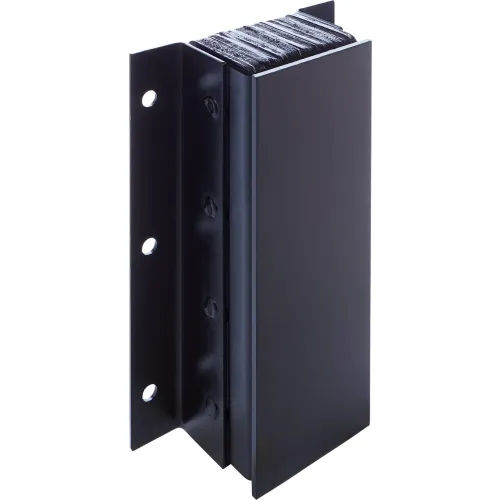 Steel-Faced Laminated Rubber Bumper: 5 Field Problems Buyers Keep Finding After Installation
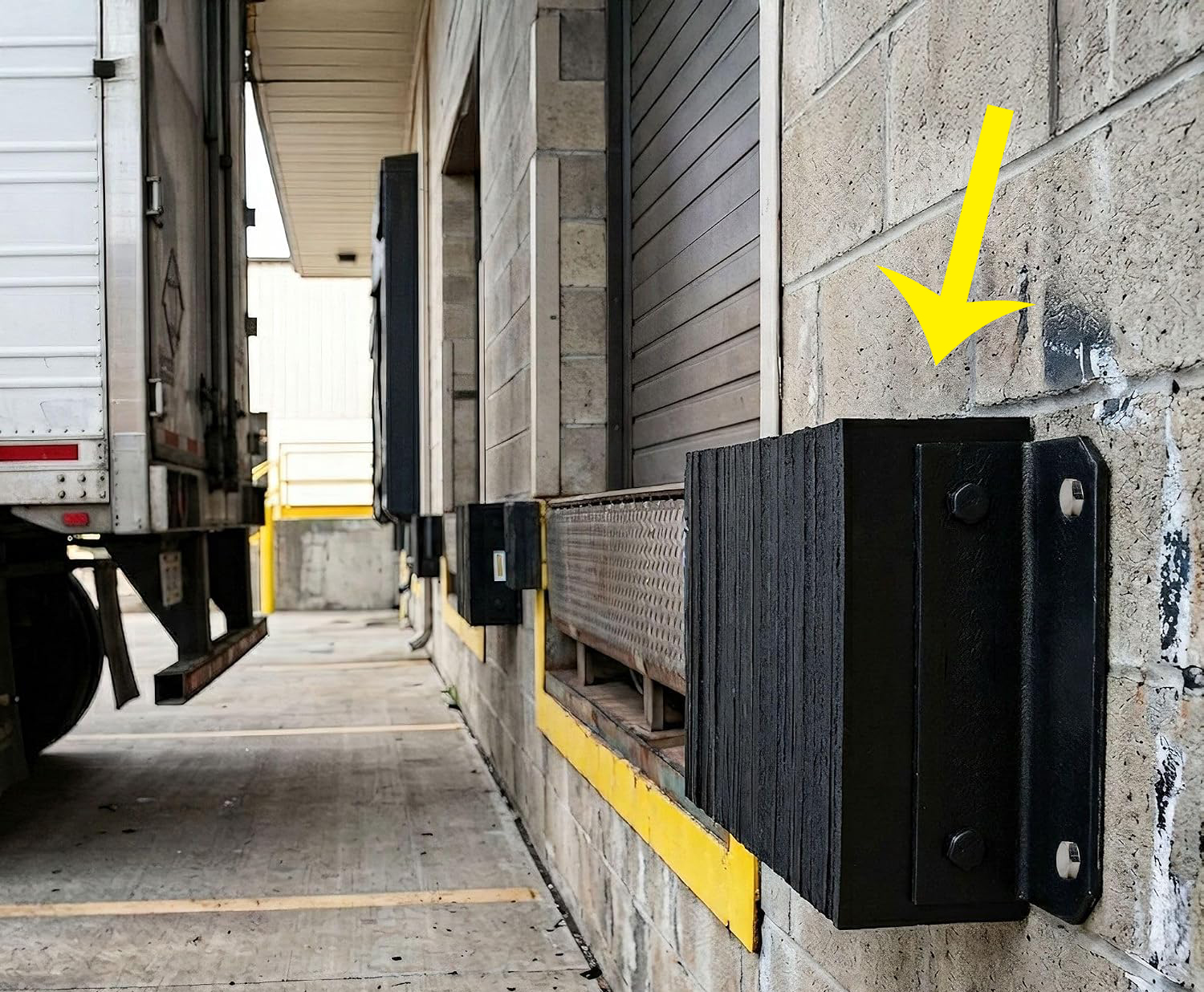 Rubber Laminated Loading Dock Bumper with Steel Angle: 5 Field Failure Signs That Point Back to the RFQ
 Bridge Bearing Pad Field Failure: 5 Visual Signs Before It Retires (And What Caused It)
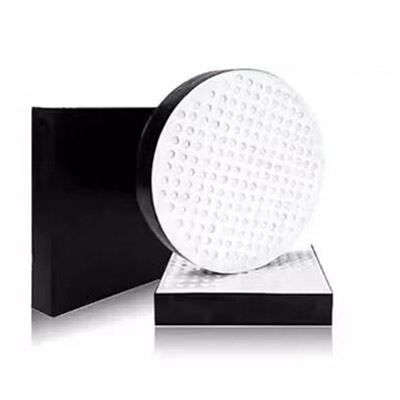 Bridge Bearing Pad RFQ Checklist: 9 Lines That Stop Suppliers From Subbing the Rubber