
In the ever-evolving landscape of robotics and automation, the integration of seemingly mundane components can often lead to groundbreaking advancements. One such component, often overlooked but critically important, is the rubber plug. These unassuming devices play a pivotal role in ensuring the smooth operation, safety, and efficiency of various robotic systems and automated processes. From sealing critical components to providing electrical insulation, rubber plugs are indispensable in modern robotics and automation.
Sealing and Protection
One of the primary applications of rubber plugs in robotics and automation is sealing. In robotic systems, there are numerous points where fluids, lubricants, or contaminants could potentially enter sensitive areas. These intrusions can cause significant damage, leading to system failures or reduced performance. Rubber plugs, with their excellent sealing properties, are used to prevent such occurrences.
For instance, in hydraulic systems, which are common in robotic arms and actuators, rubber plugs are employed to seal connections between hoses and fittings. They ensure that hydraulic fluid does not leak out, maintaining the pressure and efficiency of the system. Similarly, in pneumatic systems, rubber plugs help seal air lines, preventing the loss of compressed air, which is crucial for the operation of pneumatic actuators and valves.
Moreover, rubber plugs are used to protect electronic components from moisture, dust, and other environmental contaminants. In outdoor robotic applications, such as agricultural robots or drones, exposure to the elements can be detrimental. By sealing critical openings with rubber plugs, manufacturers can safeguard the internal electronics, ensuring longer lifespan and reliability of the equipment.
Vibration Damping and Shock Absorption
Another significant application of rubber plugs in robotics and automation is vibration damping and shock absorption. Robotic systems often operate in dynamic environments, where they are subject to vibrations and shocks. These forces can lead to premature wear and tear, reduced accuracy, and even system failures.
Rubber plugs, due to their elastomeric properties, can absorb and dampen vibrations and shocks. They are commonly used in mounting applications, where they act as a buffer between the robotic component and its base. For example, in industrial robots used for assembly lines, rubber plugs in the mounting brackets help reduce the transmission of vibrations from the machinery to the robot, improving its stability and precision.
Furthermore, in mobile robots, such as autonomous guided vehicles (AGVs), rubber plugs are used in the suspension systems to absorb shocks from uneven surfaces. This not only protects the robotic system but also enhances its mobility and maneuverability, allowing it to navigate through various terrains with ease.
Electrical Insulation
In addition to sealing and damping, rubber plugs are also used for electrical insulation in robotics and automation. Many robotic systems operate with high voltages and currents, making electrical safety a top priority. Rubber, being an excellent electrical insulator, is ideal for this purpose.
Rubber plugs are often used to cover and protect electrical connections and terminals. They prevent accidental contact with live wires, reducing the risk of electrical shocks and short circuits. In robotic arms, where there are numerous electrical cables and connectors, rubber plugs ensure that the operators and maintenance personnel are safe when working around these components.
Moreover, in automated machinery, rubber plugs are used to insulate electrical components from each other, preventing interference and ensuring the proper functioning of the system. This is particularly important in precision machinery, where even a minor electrical disturbance can lead to significant inaccuracies.
Customizable and Versatile
One of the remarkable aspects of rubber plugs in robotics and automation is their customizability and versatility. Rubber can be molded into various shapes and sizes, making it possible to create plugs that fit perfectly into different applications. This adaptability allows manufacturers to design robotic systems with specific requirements in mind, ensuring optimal performance and efficiency.
For example, in robotic grippers, custom-molded rubber plugs can be used to provide a better grip on objects of different shapes and sizes. The elastomeric properties of rubber allow the plugs to conform to the object's surface, enhancing the grip's strength and reliability. Similarly, in automated conveyor systems, rubber plugs can be tailored to fit the specific dimensions and contours of the conveyor belts, ensuring smooth and efficient operation.
Furthermore, rubber plugs can be formulated with different materials and compounds to meet specific performance criteria. For instance, in high-temperature environments, such as those found in industrial furnaces or welding robots, heat-resistant rubber plugs can be used to ensure that the sealing and protection provided by the plugs are not compromised by the extreme temperatures.
Cost-Effective Solution
Despite their numerous benefits, rubber plugs are also a cost-effective solution in robotics and automation. Compared to other materials and components, rubber plugs are relatively inexpensive to manufacture and easy to install. This makes them an attractive option for manufacturers looking to optimize their production processes without breaking the bank.
Moreover, the durability and longevity of rubber plugs contribute to their cost-effectiveness. By providing reliable sealing, damping, and insulation, rubber plugs help extend the lifespan of robotic systems and automated equipment. This reduces the need for frequent repairs and replacements, ultimately saving manufacturers money in the long run.
In conclusion, rubber plugs play a vital role in the field of robotics and automation. Their applications in sealing and protection, vibration damping and shock absorption, and electrical insulation make them indispensable in modern robotic systems and automated processes. The customizability and versatility of rubber plugs, coupled with their cost-effectiveness, further enhance their appeal to manufacturers.
As robotics and automation continue to advance, the importance of rubber plugs is likely to grow. With their ability to provide reliable and efficient solutions to various challenges faced by robotic systems and automated equipment, rubber plugs will undoubtedly remain a key component in the evolution of this exciting and innovative field. As manufacturers continue to push the boundaries of what is possible with robotics and automation, they can count on rubber plugs to help them achieve their goals safely, efficiently, and cost-effectively.
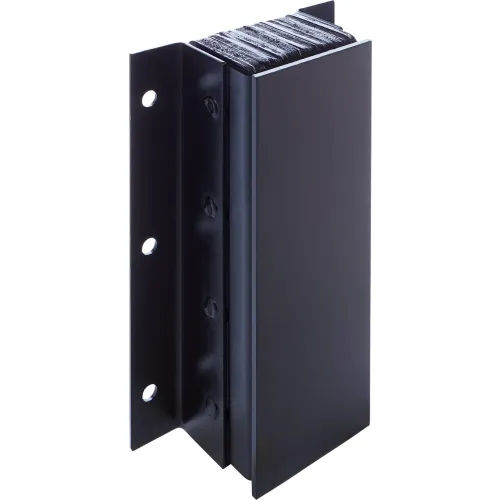 Steel-Faced Laminated Rubber Bumper: 5 Field Problems Buyers Keep Finding After Installation
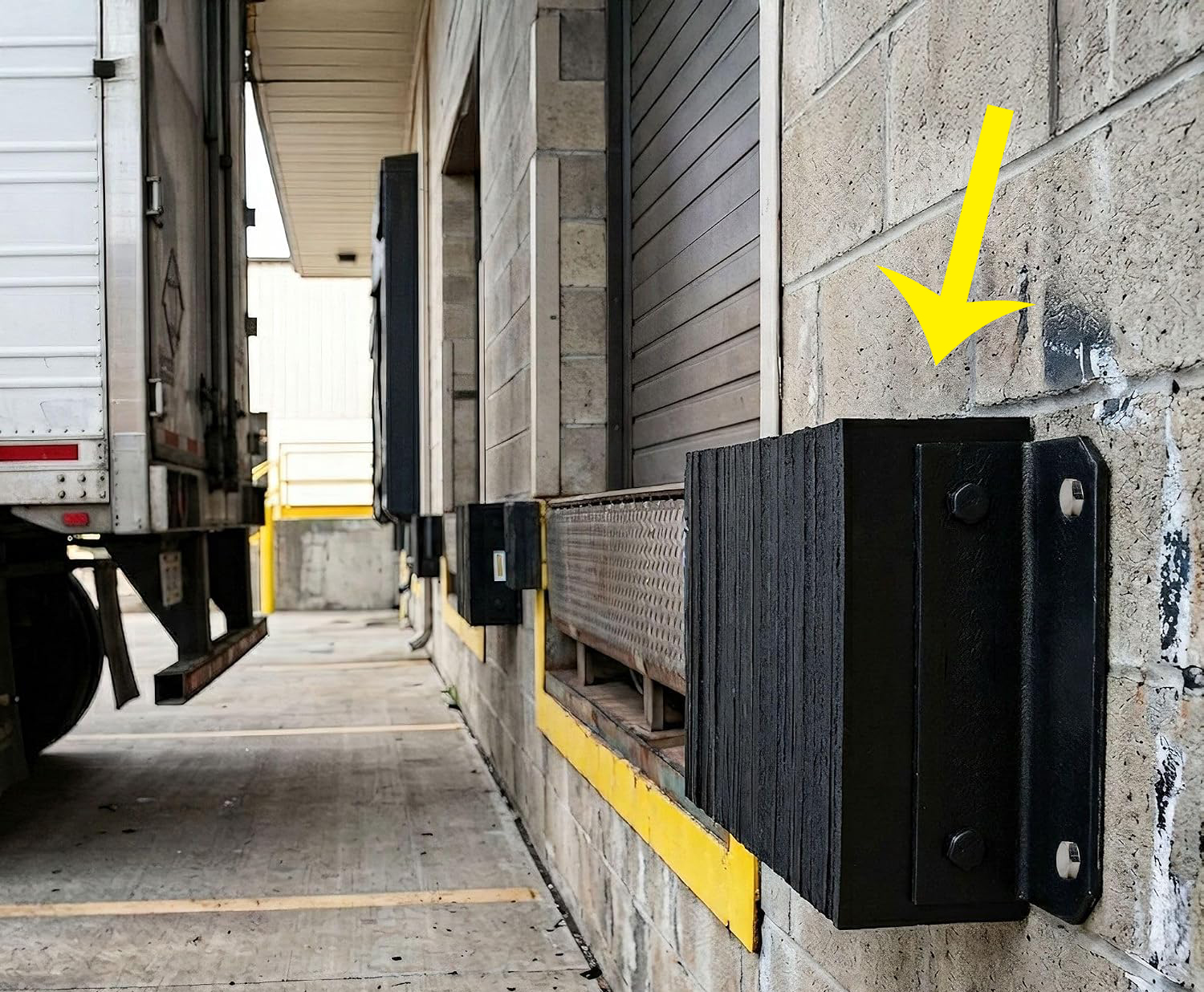 Rubber Laminated Loading Dock Bumper with Steel Angle: 5 Field Failure Signs That Point Back to the RFQ
 Bridge Bearing Pad Field Failure: 5 Visual Signs Before It Retires (And What Caused It)
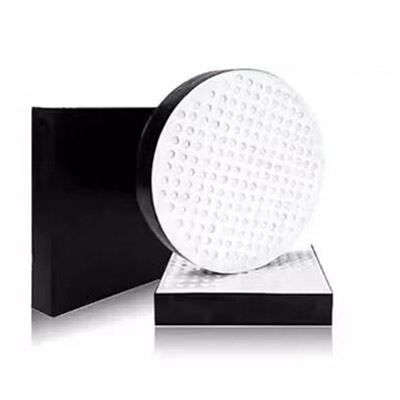 Bridge Bearing Pad RFQ Checklist: 9 Lines That Stop Suppliers From Subbing the Rubber