
Rubber plugs, though seemingly simple components, play a crucial role in various applications across different industries. From sealing pipelines to preventing leakage in machinery, these unassuming devices are integral to maintaining operational efficiency and safety. However, like any other mechanical part, rubber plugs can fail, leading to potential downtime, safety hazards, and increased maintenance costs. Understanding the common causes of rubber plug failures and how to troubleshoot them can save time, resources, and prevent more significant issues down the line.
Understanding the Role of Rubber Plugs
Rubber plugs are typically used to seal openings or connections, preventing the ingress or egress of fluids and gases. They are made from a variety of elastomeric materials, each with specific properties suited to different environments and pressures. The choice of material is critical, as it must withstand the temperature, chemical exposure, and mechanical stress of the application.
Common Causes of Rubber Plug Failures
Material Degradation: Over time, rubber can degrade due to exposure to harsh chemicals, extreme temperatures, or UV radiation. This degradation can manifest as hardening, cracking, or softening of the rubber, compromising its sealing capabilities.
Improper Installation: Incorrect installation can lead to immediate or premature failure. Over-tightening can cause the rubber to stretch or tear, while under-tightening may result in inadequate sealing.
Mechanical Stress: Constant vibration or physical impact can weaken the rubber, leading to cracks or tears. Additionally, repeated cycling (opening and closing) can cause fatigue, reducing the lifespan of the plug.
Incompatible Fluids or Gases: Certain fluids or gases can react with the rubber material, causing swelling, softening, or hardening. This chemical interaction can severely impact the plug's performance.
Wear and Tear: Like any other component, rubber plugs are subject to wear and tear. Prolonged use can lead to thinning, cracking, or loss of elasticity, making the plug less effective.
Troubleshooting Rubber Plug Failures
To effectively troubleshoot rubber plug failures, a systematic approach is necessary. Here’s a step-by-step guide:
1. Visual Inspection
External Examination: Begin by visually inspecting the rubber plug. Look for signs of cracking, tears, swelling, or hardening. Pay particular attention to the sealing surface and any areas subject to mechanical stress.
Internal Inspection: If possible, inspect the internal surface of the plug and the mating component for signs of wear, debris, or damage. Sometimes, failure is not due to the plug itself but to the condition of the surface it seals against.
2. Material Analysis
Review Specifications: Check the material specifications of the rubber plug against the application requirements. Ensure that the elastomer used is compatible with the temperatures, pressures, and chemicals it will be exposed to.
Test for Compatibility: If there's uncertainty about the material's compatibility, conduct tests using samples of the rubber and the fluids or gases it will encounter. This can help identify potential chemical reactions before they cause failures.
3. Installation Practices
Review Installation Procedures: Examine the installation process to ensure that it adheres to the manufacturer's guidelines. Over-tightening or under-tightening can lead to immediate or premature failure.
Training: Ensure that personnel responsible for installing rubber plugs are adequately trained. Misunderstandings or lack of knowledge can lead to improper installation practices.
4. Environmental Factors
Assess Operating Conditions: Evaluate the operating environment for factors that could contribute to rubber degradation. This includes temperature extremes, exposure to chemicals, and mechanical stress.
Modify Environment: Where possible, adjust the operating conditions to be more favorable for the rubber material. For example, reducing exposure to UV light or shielding the plug from mechanical impacts.
5. Maintenance and Replacement
Regular Inspections: Implement a routine inspection schedule to monitor the condition of rubber plugs. Early detection of wear or damage can prevent catastrophic failures.
Timely Replacement: Replace rubber plugs before they reach the end of their lifespan. Keeping spare plugs on hand can minimize downtime when a failure occurs.
6. Consultation with Experts
Manufacturer Consultation: If failures persist, consult with the rubber plug manufacturer. They may have insights into specific issues related to their product or suggest alternative materials or designs.
Industry Specialists: Seek advice from industry specialists or engineers with expertise in sealing technologies. They can provide valuable insights and solutions tailored to your specific application.
Preventive Measures
Preventing rubber plug failures is always better than troubleshooting them. Here are some preventive measures to consider:
Select the Right Material: Choose a rubber material that is well-suited to the application's specific conditions. Consider factors like temperature range, chemical exposure, and mechanical stress.
Proper Storage: Store rubber plugs in a cool, dry place away from direct sunlight and harsh chemicals. Proper storage can extend their lifespan.
Quality Control: Implement strict quality control measures to ensure that all rubber plugs meet the required specifications before installation.
Lubrication: Use appropriate lubricants when installing or operating machinery with rubber plugs. This can reduce friction and wear, extending the plug's lifespan.
Monitoring and Maintenance: Establish a comprehensive monitoring and maintenance program to keep track of the condition of rubber plugs and address any issues promptly.
Rubber plug failures, though common, can be effectively managed through a combination of proper selection, installation, and maintenance practices. By understanding the causes of failures and adopting a systematic approach to troubleshooting, organizations can minimize downtime, reduce maintenance costs, and enhance overall operational efficiency. Remember, the key to preventing rubber plug failures lies in proactive management and a thorough understanding of the application's specific requirements. With the right strategies in place, rubber plugs can continue to play their vital role in ensuring the smooth operation of various industrial processes.
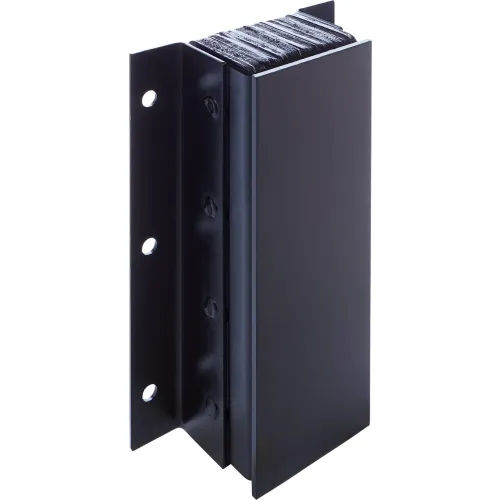 Steel-Faced Laminated Rubber Bumper: 5 Field Problems Buyers Keep Finding After Installation
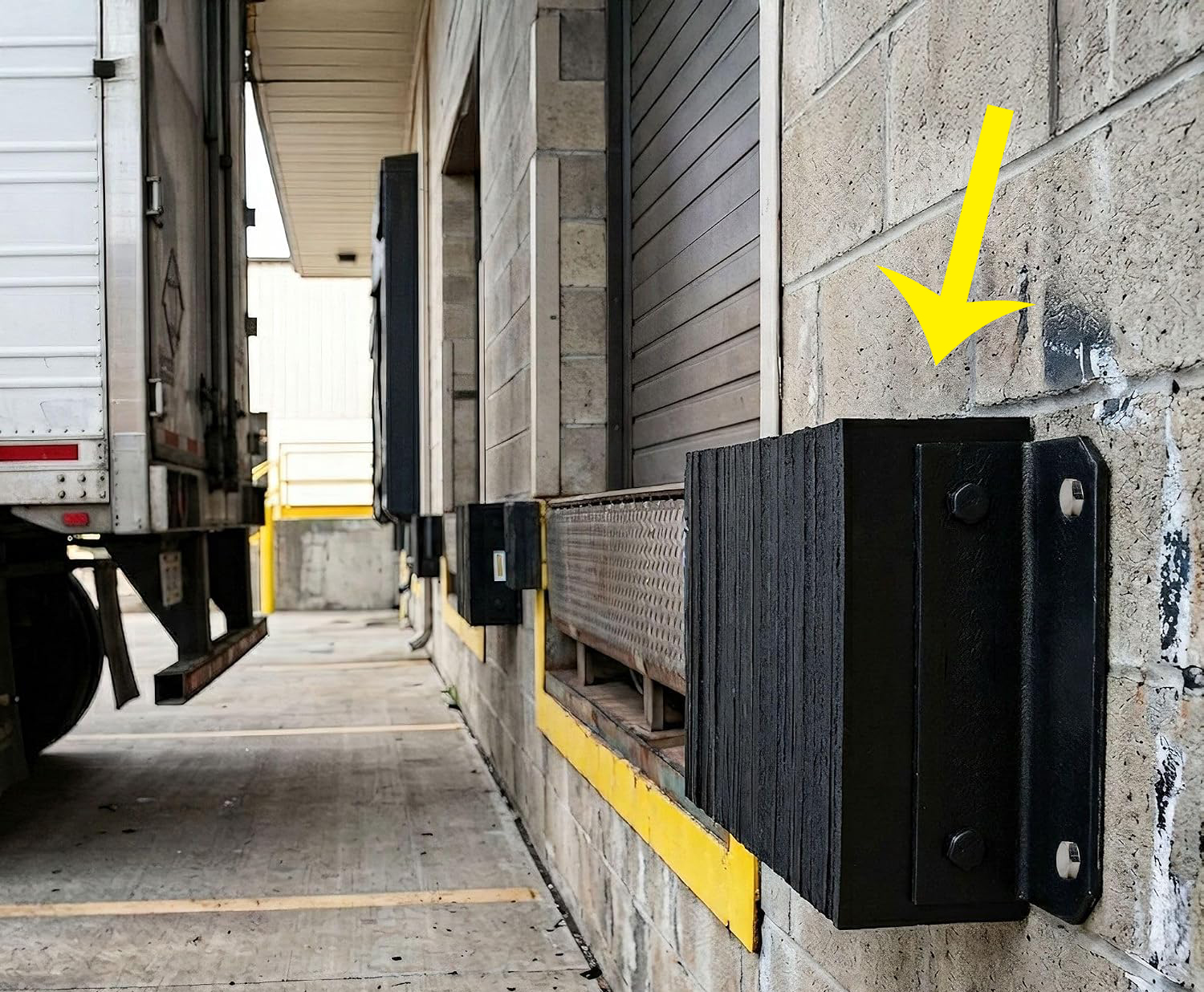 Rubber Laminated Loading Dock Bumper with Steel Angle: 5 Field Failure Signs That Point Back to the RFQ
 Bridge Bearing Pad Field Failure: 5 Visual Signs Before It Retires (And What Caused It)
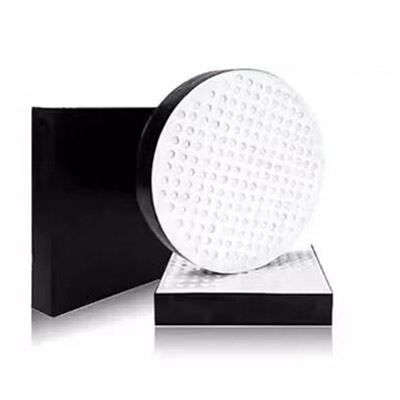 Bridge Bearing Pad RFQ Checklist: 9 Lines That Stop Suppliers From Subbing the Rubber