
In the realm of industrial applications, the choice of materials for sealing components is crucial. One such material that has gained significant attention is fluorosilicone rubber. When it comes to creating reliable and durable plugs, fluorosilicone rubber plugs stand out due to their unique combination of properties. This article delves into the myriad benefits of using fluorosilicone rubber plugs, highlighting their versatility, resistance to extreme conditions, and overall contribution to enhancing the efficiency and longevity of various industrial processes.
1. Exceptional Chemical Resistance
One of the most notable advantages of fluorosilicone rubber plugs is their exceptional chemical resistance. Unlike many other rubber materials, fluorosilicone can withstand exposure to a wide range of chemicals, including acids, bases, solvents, and oils. This makes it an ideal choice for applications where the plug may come into contact with harsh or corrosive substances. For instance, in the chemical processing industry, where equipment must handle aggressive chemicals, fluorosilicone rubber plugs ensure that sealing integrity is maintained, preventing leaks and potential hazards.
The chemical resistance of fluorosilicone rubber is attributed to its fluorine content. Fluorine atoms are highly electronegative, which imparts a strong bond and stability to the rubber matrix. This stability allows fluorosilicone to resist degradation even when exposed to highly reactive chemicals. As a result, industries that rely on chemical processes can benefit from the long-lasting performance of fluorosilicone rubber plugs, reducing the need for frequent replacements and maintenance.
2. High Temperature Tolerance
Another key benefit of fluorosilicone rubber plugs is their high temperature tolerance. They can operate effectively in temperatures ranging from -55°C to 200°C, with some specialized grades capable of withstanding even higher temperatures. This wide temperature range makes fluorosilicone rubber plugs suitable for use in both high-temperature and low-temperature environments.
In high-temperature applications, such as automotive engines or industrial ovens, the ability of fluorosilicone rubber plugs to maintain their structural integrity and sealing properties is critical. They prevent the ingress of contaminants and the escape of fluids or gases, ensuring the smooth operation of equipment. Similarly, in low-temperature conditions, fluorosilicone rubber remains flexible and does not become brittle, which is essential for maintaining sealing effectiveness in cold environments, such as in refrigeration systems or arctic applications.
3. Excellent Weather and Ozone Resistance
Fluorosilicone rubber plugs also exhibit excellent resistance to weathering and ozone. Ozone is a highly reactive gas that can cause cracking and degradation in many rubber materials. However, fluorosilicone rubber is highly resistant to ozone attack, making it suitable for outdoor applications where it may be exposed to the elements.
In addition to ozone resistance, fluorosilicone rubber can withstand exposure to ultraviolet (UV) radiation, which can cause fading and deterioration in other materials. This makes fluorosilicone rubber plugs an excellent choice for outdoor equipment, such as electrical enclosures, where they need to withstand the effects of sunlight, rain, and other environmental factors. The durability of fluorosilicone rubber in harsh weather conditions contributes to the long-term reliability of the equipment it seals.
4. Superior Mechanical Properties
Fluorosilicone rubber plugs possess superior mechanical properties, including high tensile strength, tear resistance, and compression set resistance. These properties make them capable of withstanding the mechanical stresses and pressures encountered in various industrial applications.
High tensile strength ensures that fluorosilicone rubber plugs can withstand the forces exerted on them without breaking or deforming. Tear resistance is crucial for maintaining the integrity of the plug, preventing it from tearing or splitting under pressure. Compression set resistance is the ability of the rubber to recover its original shape after being compressed for an extended period. This is particularly important in applications where the plug may be subjected to continuous compression, such as in gaskets or seals for industrial machinery.
5. Good Electrical Insulation Properties
Fluorosilicone rubber is an excellent electrical insulator. It has a high dielectric strength, which means it can withstand high electrical voltages without breaking down. This makes fluorosilicone rubber plugs suitable for use in electrical applications where insulation is critical.
In electronic devices, such as connectors or switches, fluorosilicone rubber plugs can provide reliable insulation between electrical components, preventing short circuits and ensuring the safe operation of the equipment. The combination of electrical insulation properties and the other benefits of fluorosilicone rubber makes it a versatile material for applications where both sealing and electrical insulation are required.
6. Compatibility with Food and Medical Applications
Fluorosilicone rubber is also compatible with food and medical applications. It meets the requirements of various food safety and medical device regulations, making it safe for use in contact with food products and in medical devices.
In the food industry, fluorosilicone rubber plugs can be used in sealing components for food processing equipment, ensuring that there is no contamination of food products. In medical applications, fluorosilicone rubber plugs are used in devices such as infusion pumps, where they provide reliable sealing and are biocompatible.
7. Easy to Process and Customize
Fluorosilicone rubber is relatively easy to process and can be customized to meet specific application requirements. It can be molded into various shapes and sizes, allowing for the creation of plugs with complex geometries. Additionally, fluorosilicone rubber can be colored or compounded with additives to enhance its properties or give it specific characteristics, such as increased lubricity or conductivity.
The ease of processing and customization of fluorosilicone rubber makes it a versatile material for manufacturers. They can design plugs that precisely fit the application, ensuring optimal sealing performance. Furthermore, the ability to add custom features or properties to fluorosilicone rubber plugs allows manufacturers to tailor the material to meet the specific needs of their customers.
In conclusion, fluorosilicone rubber plugs offer a multitude of benefits that make them an excellent choice for various industrial applications. Their exceptional chemical resistance, high temperature tolerance, excellent weather and ozone resistance, superior mechanical properties, good electrical insulation properties, compatibility with food and medical applications, and ease of processing and customization make them a versatile and reliable sealing solution.
By choosing fluorosilicone rubber plugs, industries can enhance the efficiency and longevity of their equipment, reduce the need for frequent replacements and maintenance, and ensure the safe and reliable operation of their processes. Whether in chemical processing, automotive, electronics, food, or medical applications, fluorosilicone rubber plugs provide a durable and effective sealing solution that can withstand the harshest conditions.
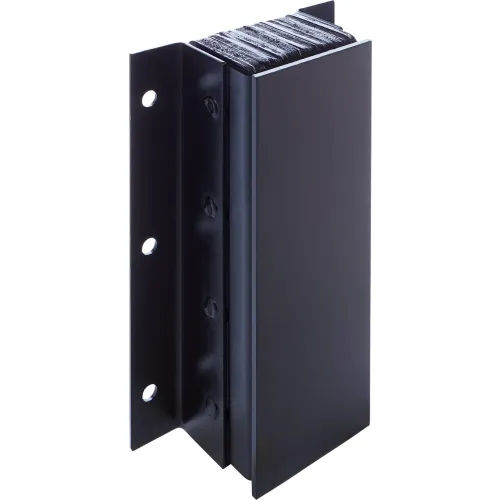 Steel-Faced Laminated Rubber Bumper: 5 Field Problems Buyers Keep Finding After Installation
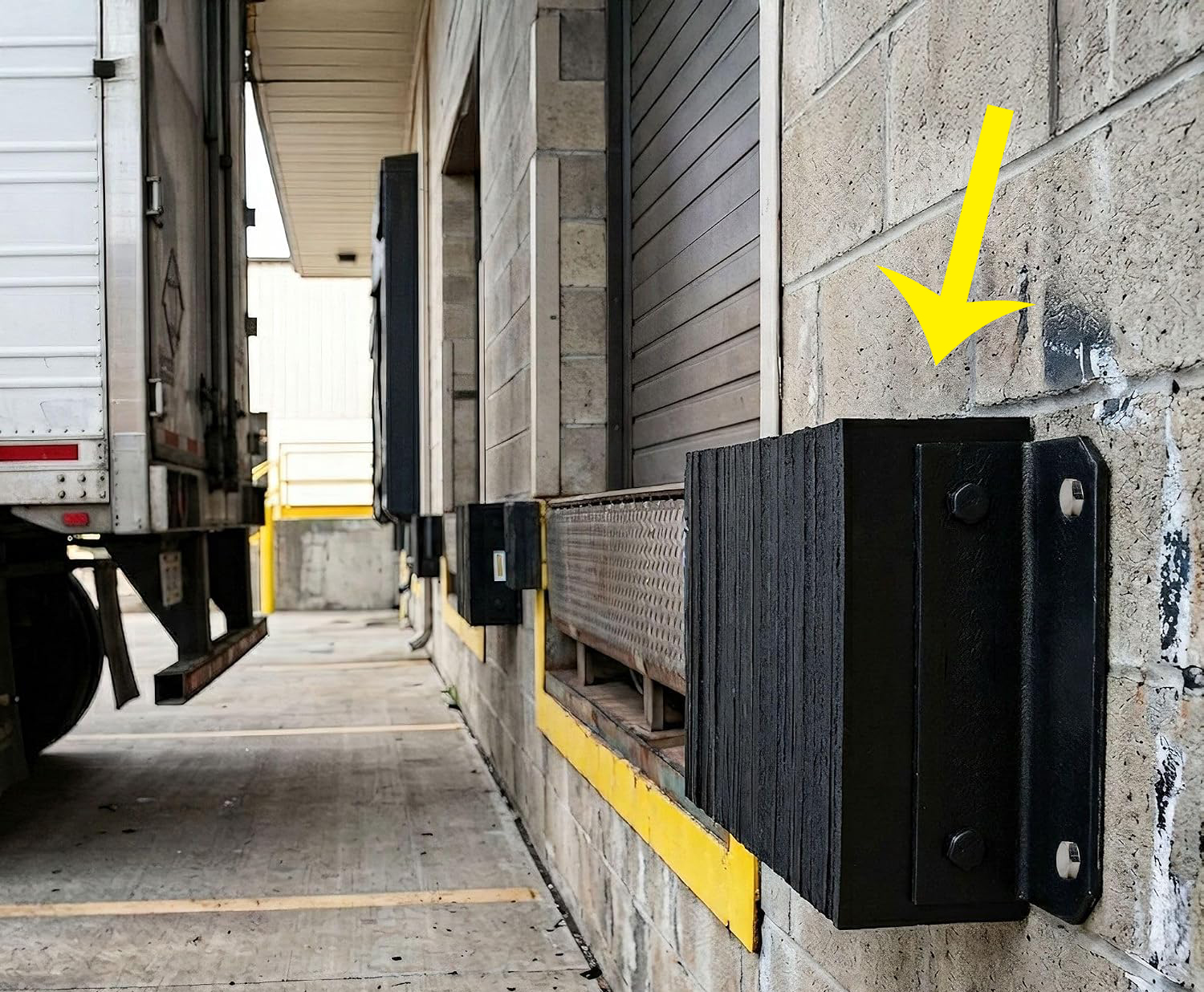 Rubber Laminated Loading Dock Bumper with Steel Angle: 5 Field Failure Signs That Point Back to the RFQ
 Bridge Bearing Pad Field Failure: 5 Visual Signs Before It Retires (And What Caused It)
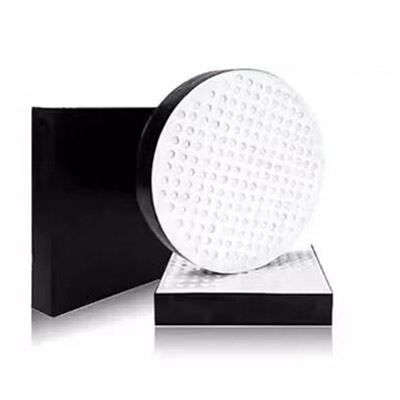 Bridge Bearing Pad RFQ Checklist: 9 Lines That Stop Suppliers From Subbing the Rubber