
In the realm of electronic device design, electromagnetic compatibility (EMC) stands as a cornerstone principle, ensuring that devices operate harmoniously within their electromagnetic environment without causing or suffering from unacceptable electromagnetic interference (EMI). One often-overlooked yet crucial component in achieving EMC is the rubber plug, a simple yet multifaceted element that serves as both a protector and a regulator of electromagnetic emissions. This article delves into the intricacies of designing rubber plugs for optimal EMC performance, exploring material selection, structural considerations, and testing methodologies.
Understanding Electromagnetic Compatibility
Electromagnetic compatibility is a measure of an electronic device's ability to function correctly in its electromagnetic environment and not contribute to electromagnetic pollution. It encompasses two main aspects: emissions and immunity. Emissions refer to the electromagnetic noise generated by a device that could interfere with other equipment, while immunity pertains to a device's resistance to external electromagnetic disturbances.
Rubber plugs, typically employed in connectors, cable glands, and enclosure openings, play a pivotal role in managing these aspects. They act as barriers, preventing the ingress and egress of electromagnetic fields, thereby mitigating the risk of interference. However, designing an effective rubber plug for EMC requires a nuanced understanding of materials science, electromagnetic theory, and mechanical engineering.
Material Selection: The Foundation of Performance
The choice of material for a rubber plug is paramount in determining its EMC efficacy. Ideal materials exhibit a combination of high electrical resistivity, good shielding effectiveness, and mechanical durability. Elastomers, such as silicone, nitrile, and neoprene, are commonly used due to their flexibility, resilience, and resistance to environmental factors.
Silicone, in particular, is favored for its excellent thermal stability, chemical resistance, and electrical insulation properties. It can withstand a wide range of temperatures and remains flexible even in extreme conditions, making it ideal for applications where temperature fluctuations are expected. However, silicone's relatively low density might necessitate additional shielding layers or thicker cross-sections to achieve the desired EMC performance.
Nitrile rubber, on the other hand, offers superior oil and fuel resistance, making it suitable for industrial and automotive applications. Its higher density compared to silicone contributes to better shielding effectiveness, but it may be less flexible and more prone to wear over time.
Neoprene, known for its balance of strength, flexibility, and resistance to ozone and weathering, is often used in outdoor and marine applications. Its EMC properties can be enhanced through the addition of conductive fillers, such as carbon black or nickel-coated particles, which improve its shielding capabilities without compromising its mechanical properties.
Structural Considerations: Form Follows Function
The design of a rubber plug extends beyond material selection; it also encompasses its physical structure. Key structural elements include the plug's shape, thickness, and the incorporation of shielding features.
The shape of the rubber plug should conform to the contour of the opening it seals, ensuring a tight fit that minimizes gaps where electromagnetic leaks can occur. A snug fit also enhances the plug's mechanical stability, preventing it from dislodging under vibration or pressure changes.
Thickness is another critical factor. A thicker plug provides better shielding but may be more difficult to install and could impart additional stress on the surrounding components. Conversely, a thinner plug may be easier to handle but could compromise shielding effectiveness. Striking the right balance requires careful analysis of the application's specific EMC requirements and mechanical constraints.
Incorporating shielding features, such as conductive layers or mesh inserts, can significantly enhance a rubber plug's EMC performance. These features provide a conductive path that diverts electromagnetic energy away from sensitive electronics, reducing the risk of interference. However, their integration must be carefully managed to avoid creating points of weakness or increasing the plug's overall stiffness.
Testing Methodologies: Validating Performance
Designing a rubber plug with optimal EMC performance is an iterative process that involves prototype development, testing, and refinement. Several testing methodologies are employed to assess a plug's effectiveness in mitigating electromagnetic interference.
1. Shielding Effectiveness Testing: This test measures the attenuation of electromagnetic fields as they pass through the rubber plug. It typically involves placing the plug in a controlled electromagnetic environment and measuring the field strength before and after it passes through the plug. The difference in field strength provides a quantitative measure of the plug's shielding effectiveness.
2. Impedance Matching: Ensuring that the impedance of the rubber plug matches that of the surrounding materials is crucial for minimizing reflections and maximizing the transfer of electromagnetic energy. Impedance mismatch can lead to signal loss and increased interference, undermining the device's EMC performance.
3. Environmental Durability Testing: Rubber plugs must withstand the environmental conditions they will encounter in real-world applications. This includes exposure to temperature extremes, moisture, chemicals, and mechanical stress. Durability testing evaluates the plug's ability to maintain its EMC properties under these conditions.
4. Insertion Loss Testing: This test measures the reduction in signal strength when a cable or connector is equipped with the rubber plug. It provides insight into how effectively the plug attenuates unwanted signals while allowing desired signals to pass through unimpeded.
Designing a rubber plug for electromagnetic compatibility is a complex task that requires a holistic approach, integrating material science, structural engineering, and rigorous testing. The choice of material is fundamental, with silicone, nitrile, and neoprene offering a range of properties suited to different applications.
Structural considerations, including shape, thickness, and the incorporation of shielding features, further refine the plug's EMC performance. A well-designed plug should fit securely in its intended opening, provide adequate shielding without undue stiffness, and integrate seamlessly with the surrounding components.
Finally, validating the plug's performance through comprehensive testing ensures that it meets the specified EMC requirements. Shielding effectiveness, impedance matching, environmental durability, and insertion loss tests are crucial in assessing and refining the plug's design.
In summary, the design of a rubber plug for EMC is a multifaceted endeavor that demands attention to detail and a deep understanding of electromagnetic principles. By carefully selecting materials, considering structural elements, and conducting thorough testing, engineers can create rubber plugs that effectively manage electromagnetic interference, enhancing the overall performance and reliability of electronic devices.
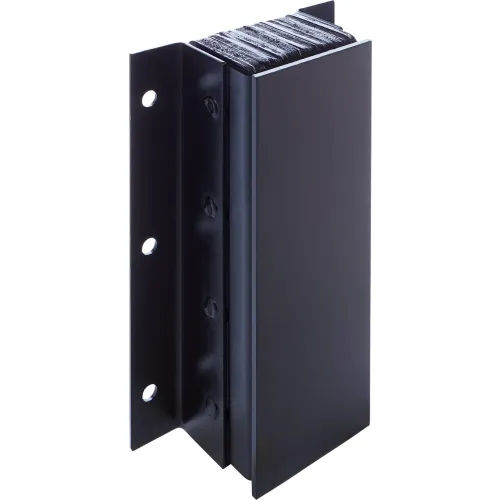 Steel-Faced Laminated Rubber Bumper: 5 Field Problems Buyers Keep Finding After Installation
 Rubber Laminated Loading Dock Bumper with Steel Angle: 5 Field Failure Signs That Point Back to the RFQ
 Bridge Bearing Pad Field Failure: 5 Visual Signs Before It Retires (And What Caused It)
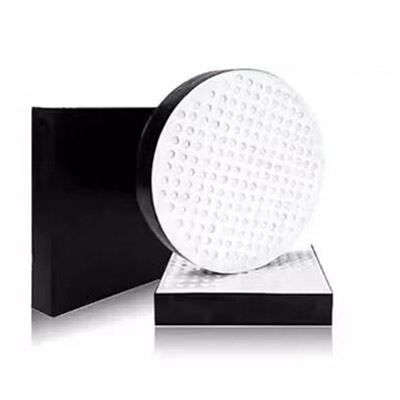 Bridge Bearing Pad RFQ Checklist: 9 Lines That Stop Suppliers From Subbing the Rubber