
In the realm of scientific research, industrial processes, and advanced manufacturing, high-vacuum environments are crucial for a myriad of applications. Whether it's in the field of aerospace, semiconductor production, or analytical instrumentation, maintaining a high-vacuum seal is often a prerequisite for successful experimentation and operation. One seemingly mundane yet critically important component in these setups is the rubber plug. These unassuming devices play a pivotal role in ensuring that the vacuum integrity is preserved, thereby facilitating accurate and reliable results. However, selecting the right rubber plug for high-vacuum applications is anything but straightforward. It requires a nuanced understanding of material science, vacuum technology, and the specific demands of the application at hand. This article delves into the intricacies of choosing rubber plugs for high-vacuum environments, highlighting key considerations and offering practical guidance.
Understanding the Importance of Vacuum Seals
Before diving into the specifics of rubber plugs, it's essential to grasp why vacuum seals are so critical. In a high-vacuum system, any leak can compromise the entire experiment or process. Leaks can introduce contaminants, alter pressure levels, and even cause equipment failure. Therefore, the components used to create and maintain the vacuum, including rubber plugs, must be meticulously chosen to withstand the extreme conditions of high vacuum.
Material Considerations
The choice of material for rubber plugs in high-vacuum applications is paramount. The ideal material must exhibit several key properties:
Low Outgassing: In a vacuum, materials can release gases trapped within their structure. This outgassing can contaminate the vacuum chamber and interfere with sensitive processes. Therefore, rubber plugs must be made from materials with low outgassing rates, such as certain grades of silicone, fluorosilicone, or perfluoroelastomers.
Chemical Resistance: Depending on the application, the rubber plug may come into contact with corrosive chemicals or reactive gases. The material must be resistant to these substances to maintain its integrity and sealing capability.
Temperature Stability: High-vacuum environments can subject components to wide temperature fluctuations. The rubber plug must retain its elastic properties and sealing capability over the entire operating temperature range.
Compression Set Resistance: The ability of the rubber to recover its original shape after being compressed is vital. A high compression set can lead to permanent deformation, compromising the seal.
Low Permeability: The material should have low permeability to gases, ensuring that it doesn't act as a pathway for gas leakage.
Design and Fit
Beyond material selection, the design and fit of the rubber plug are equally important. A well-designed plug will:
Conform to the Surface: The plug should be able to conform to the surface it's sealing against, even if that surface is irregular or has minor imperfections. This adaptability ensures a tight seal.
Provide Adequate Compression: The plug must be compressed enough to create a seal but not so much that it causes excessive wear or deformation. The compression force should be carefully calculated based on the material properties and the application requirements.
Be Easy to Install and Remove: In research and industrial settings, equipment may need to be frequently disassembled and reassembled. The rubber plug should be designed for easy installation and removal without damaging the plug or the mating surface.
Consider the Environment: The design should account for any external factors that could affect the plug, such as vibration, thermal expansion, or mechanical stress.
Testing and Validation
Once a rubber plug has been selected based on material and design considerations, it's essential to validate its performance through rigorous testing. This can include:
Outgassing Tests: Measuring the outgassing rate of the rubber material under vacuum conditions to ensure it meets the application's requirements.
Leak Rate Tests: Using helium or other tracer gases to detect and measure any leaks through the plug when it's installed in a vacuum chamber.
Temperature Cycling Tests: Subjecting the plug to the expected temperature ranges to assess its ability to maintain a seal under thermal stress.
Mechanical Stress Tests: Simulating the mechanical forces the plug may experience in use, such as vibration or pressure changes, to ensure it remains intact and functional.
Maintenance and Longevity
The lifespan of a rubber plug in a high-vacuum application can vary significantly depending on the operating conditions and the quality of the plug. Regular inspection and maintenance are crucial to ensure the plug continues to perform as expected. Signs of wear, such as cracks, tears, or deformation, should be addressed promptly. Additionally, storing the plugs in a controlled environment, away from direct sunlight and extreme temperatures, can extend their lifespan.
Custom Solutions
In some cases, off-the-shelf rubber plugs may not meet the specific requirements of a high-vacuum application. In such instances, custom solutions can be developed. Working with a manufacturer that specializes in high-vacuum components can help tailor the plug's material, design, and dimensions to the exact needs of the application.
Choosing the right rubber plug for high-vacuum applications is a multifaceted process that involves a deep understanding of material science, vacuum technology, and the unique demands of the application. By carefully considering the material properties, design features, and validating the plug's performance through rigorous testing, one can ensure a reliable and long-lasting vacuum seal. Whether it's for cutting-edge research or industrial processes, the right rubber plug can make the difference between success and failure in high-vacuum environments. As technology advances and new materials are developed, the options for rubber plugs will continue to evolve, offering even better performance and reliability for the most demanding applications.
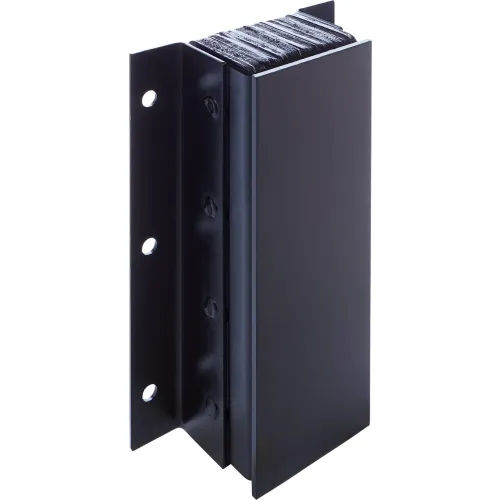 Steel-Faced Laminated Rubber Bumper: 5 Field Problems Buyers Keep Finding After Installation
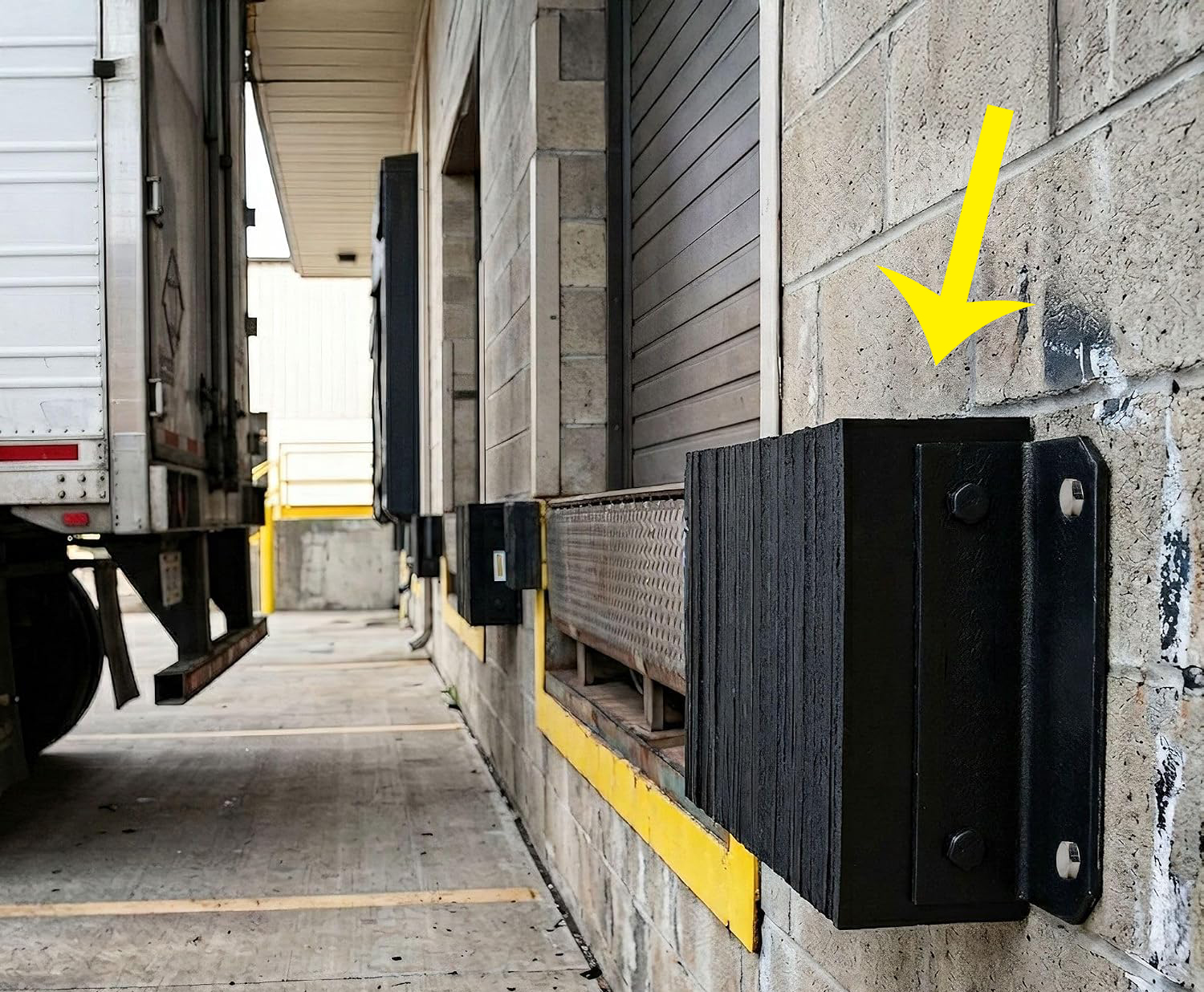 Rubber Laminated Loading Dock Bumper with Steel Angle: 5 Field Failure Signs That Point Back to the RFQ
 Bridge Bearing Pad Field Failure: 5 Visual Signs Before It Retires (And What Caused It)
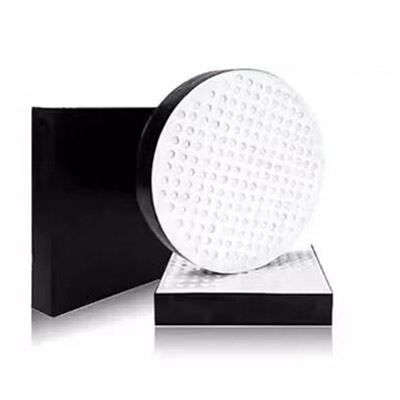 Bridge Bearing Pad RFQ Checklist: 9 Lines That Stop Suppliers From Subbing the Rubber