
In the realm of industrial processes and everyday applications, the unassuming rubber plug often plays a critical yet overlooked role. These unpretentious devices, crafted from a versatile and resilient material, serve as unsung heroes in the battle against contamination. Whether sealing pipelines, protecting sensitive equipment, or safeguarding products during storage and transportation, rubber plugs are indispensable tools that help maintain purity, efficiency, and safety across a multitude of sectors. This article delves into the significance of rubber plugs, exploring their design, functions, and the myriad ways they contribute to preventing contamination.
Understanding Rubber Plugs
Rubber plugs are essentially stoppers or seals made from various types of rubber materials, each tailored to specific environmental conditions and chemical exposures. The choice of rubber—be it natural rubber, nitrile, neoprene, silicone, or others—is pivotal, as it determines the plug's resistance to temperature extremes, chemicals, abrasion, and pressure. This material diversity allows rubber plugs to be utilized in a wide array of settings, from automotive and aerospace industries to medical facilities and food processing plants.
The design of a rubber plug can vary significantly based on its intended use. Some plugs are simple, cone-shaped stoppers designed to fit snugly into openings of varying sizes. Others may feature intricate shapes, threads, or flanges to ensure a secure fit and enhanced sealing capabilities. Regardless of their design, the primary function of all rubber plugs remains the same: to create a barrier that prevents the ingress or egress of unwanted substances.
Preventing Contamination in Industrial Settings
In industrial environments, where machinery and processes often involve hazardous materials, rubber plugs are indispensable for maintaining cleanliness and safety. For instance, in chemical processing plants, pipelines transport a myriad of substances that, if leaked, could pose serious health risks and environmental damage. Rubber plugs are employed to seal off sections of these pipelines during maintenance, repairs, or when a particular line is not in use. By creating an impermeable barrier, these plugs prevent contaminants from entering the system and hazardous chemicals from escaping into the atmosphere or surrounding ecosystem.
Similarly, in the oil and gas industry, rubber plugs play a crucial role in wellhead sealing and pipeline maintenance. They help to isolate sections of drilling equipment or pipelines, ensuring that fluids do not intermix or leak out, which could lead to environmental contamination and operational disruptions. The durability and chemical resistance of certain rubber compounds make them ideal for withstanding the harsh conditions and corrosive substances encountered in this sector.
Safeguarding Medical and Pharmaceutical Products
In the medical and pharmaceutical fields, contamination prevention is paramount. Rubber plugs are extensively used in the packaging of sterile products, such as vials, syringes, and intravenous bags. These plugs act as a physical barrier, protecting the contents from microbial ingress and maintaining the sterility required for safe use.
The design of medical-grade rubber plugs often incorporates features that facilitate easy penetration by needles while maintaining seal integrity. This dual functionality is critical for ensuring that medications remain uncontaminated until they are administered to patients. Furthermore, these plugs must adhere to strict regulatory standards regarding material compatibility, extractables, and leachables, ensuring they do not introduce any foreign substances that could compromise the safety or efficacy of the pharmaceutical products.
Preserving Food Quality and Safety
In the food and beverage industry, contamination can lead to product spoilage, health risks, and significant financial losses. Rubber plugs are employed in various stages of food processing and packaging to prevent the ingress of moisture, air, and contaminants that could affect the quality and safety of the products.
For example, during the storage and transportation of liquid food items like juices, sauces, and dairy products, rubber plugs seal the openings of containers, preventing leaks and contamination. They also play a vital role in the sealing of processing equipment, such as mixers and tanks, ensuring that no external contaminants enter the food chain. The food-grade rubber used in these applications must be non-toxic, odorless, and resistant to the specific temperatures and chemicals encountered in food processing environments.
Environmental and Economic Benefits
The use of rubber plugs in preventing contamination offers not only immediate operational benefits but also long-term environmental and economic advantages. By reducing the risk of leaks and spills, rubber plugs help to minimize environmental pollution, protecting ecosystems and preserving natural resources. This, in turn, can lead to reduced cleanup costs and legal liabilities for businesses.
Moreover, by maintaining the integrity of products and processes, rubber plugs contribute to increased efficiency and productivity. In industries where downtime can be costly, such as manufacturing and healthcare, the reliable sealing provided by rubber plugs helps to ensure continuous operation, reducing maintenance intervals and the associated expenses.
Innovations and Future Trends
As technology advances, so too does the design and application of rubber plugs. Innovations in material science are leading to the development of rubber compounds with enhanced properties, such as improved resistance to extreme temperatures, chemicals, and wear. This allows rubber plugs to be used in even more demanding environments and applications.
Additionally, the integration of smart technologies, such as sensors embedded within rubber plugs, is an emerging trend. These sensors can monitor conditions like pressure, temperature, and the presence of contaminants, providing real-time data that can be used to predict maintenance needs or detect potential issues before they become critical.
In conclusion, rubber plugs are unsung heroes in the ongoing effort to prevent contamination across a wide range of industries. Their versatility, durability, and ability to create effective barriers make them indispensable tools for maintaining product purity, process efficiency, and environmental safety. As technology continues to evolve, so too will the design and capabilities of rubber plugs, further enhancing their role in protecting our products, processes, and planet. Whether sealing a pipeline in a chemical plant, safeguarding medical supplies, or preserving the quality of food products, rubber plugs remain a vital component in the fight against contamination.
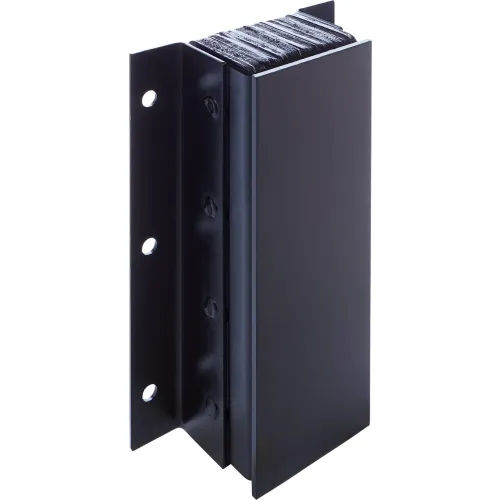 Steel-Faced Laminated Rubber Bumper: 5 Field Problems Buyers Keep Finding After Installation
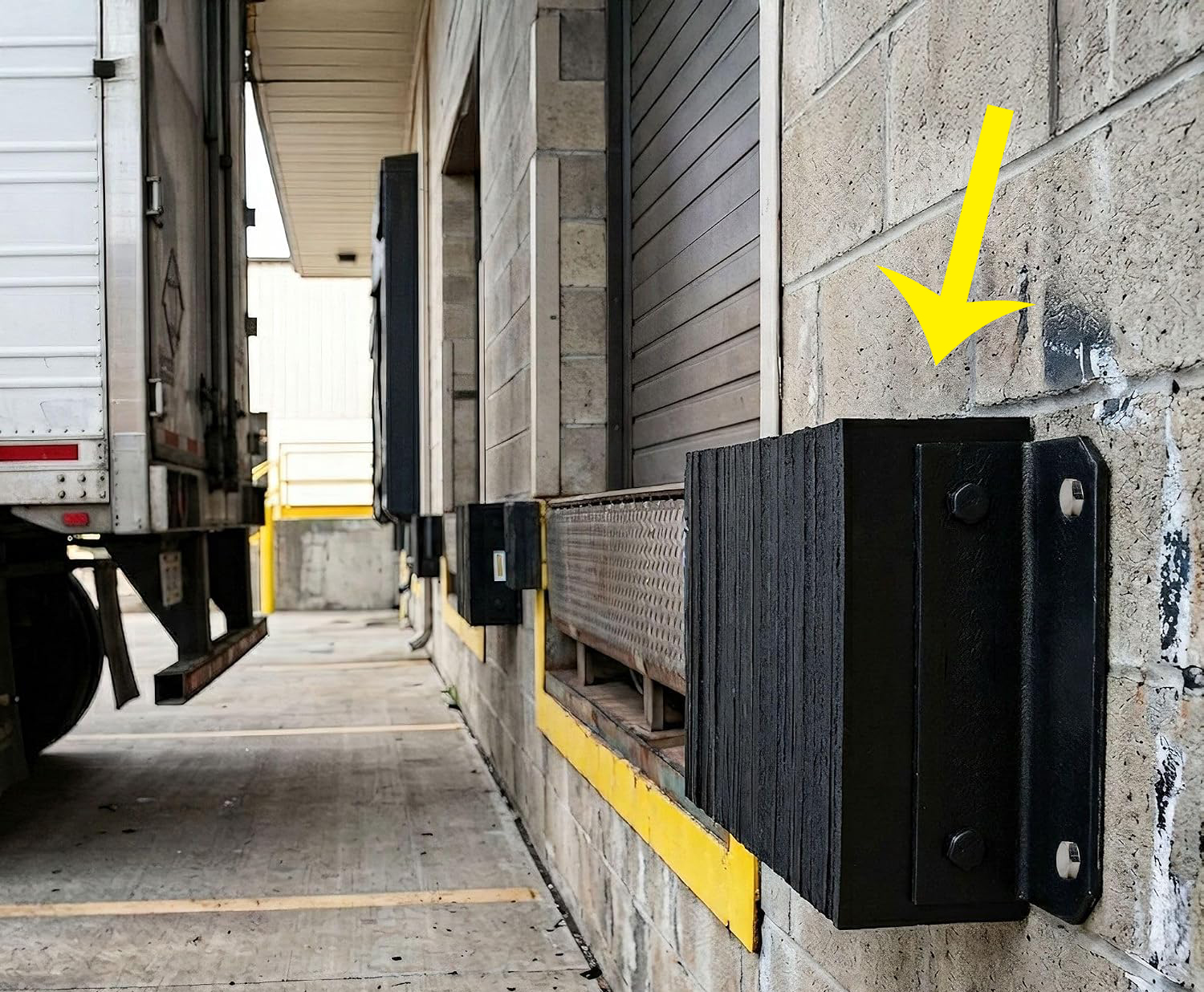 Rubber Laminated Loading Dock Bumper with Steel Angle: 5 Field Failure Signs That Point Back to the RFQ
 Bridge Bearing Pad Field Failure: 5 Visual Signs Before It Retires (And What Caused It)
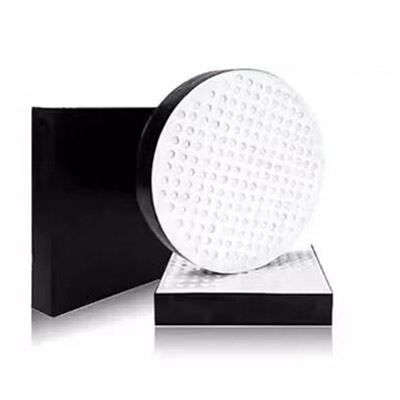 Bridge Bearing Pad RFQ Checklist: 9 Lines That Stop Suppliers From Subbing the Rubber