
In the realm of manufacturing, automation has revolutionized processes, enhancing efficiency, precision, and productivity. One such area where automation can yield significant benefits is the installation of rubber plugs. These small yet crucial components are widely used in various industries, including automotive, electronics, and aerospace, to seal openings, protect components, and ensure the integrity of products. Automating rubber plug installation not only streamlines production lines but also reduces human error and increases consistency. This article outlines a comprehensive approach to automating rubber plug installation, covering key considerations, steps for implementation, and potential challenges.
Understanding the Need for Automation
Rubber plugs, though seemingly simple, play a vital role in many manufacturing processes. Manual installation can be time-consuming, especially in high-volume production environments. It also introduces variability, as the force applied, positioning, and alignment can differ from operator to operator. Automation, on the other hand, offers several advantages:
Consistency: Automated systems ensure that each rubber plug is installed with the same force, in the correct position, and with consistent alignment.
Speed: Automated processes are significantly faster than manual methods, increasing overall production rates.
Reduced Labor Costs: By automating repetitive tasks, manufacturers can reallocate human resources to more complex and value-added activities.
Improved Safety: Automation minimizes the risk of repetitive strain injuries and other ergonomic issues associated with manual plug installation.
Key Considerations for Automation
Before embarking on automating rubber plug installation, several factors must be carefully considered to ensure a successful implementation:
Plug Design and Variability: Different products may require rubber plugs of varying sizes, shapes, and materials. The automation system must be flexible enough to accommodate these variations.
Production Volume: The scale of production will dictate the complexity and capacity of the automation system. High-volume production lines will require more sophisticated and robust systems.
Integration with Existing Processes: The automation system should seamlessly integrate with existing manufacturing processes, including conveyors, robotic arms, and quality control systems.
Cost-Benefit Analysis: A thorough cost-benefit analysis should be conducted to ensure that the investment in automation will yield a positive return on investment (ROI).
Steps for Implementing Automation
Automating rubber plug installation involves several steps, from initial planning to full-scale deployment. Here’s a detailed roadmap:
1. Needs Assessment and Planning
Identify Requirements: Determine the specific requirements for rubber plug installation, including plug types, installation forces, and production volumes.
Feasibility Study: Conduct a feasibility study to assess the viability of automation, considering technical, economic, and operational factors.
Define Objectives: Establish clear objectives for automation, such as increasing production rates, reducing labor costs, or improving product quality.
2. Design and Development
System Design: Design the automation system, including the selection of appropriate machinery, robots, sensors, and control systems.
Prototype Development: Develop a prototype to test the system’s functionality and make any necessary adjustments.
Simulation: Use simulation software to model the automation process and optimize it for efficiency and reliability.
3. Procurement and Installation
Equipment Procurement: Purchase the required equipment, ensuring it meets the specified technical requirements.
Installation: Install the automation system, integrating it with existing manufacturing processes and infrastructure.
Commissioning: Commission the system, conducting tests to ensure it operates correctly and meets all performance criteria.
4. Training and Maintenance
Operator Training: Train operators and maintenance personnel on the use and maintenance of the automation system.
Preventive Maintenance: Implement a preventive maintenance program to ensure the system operates reliably and minimizes downtime.
Continuous Improvement: Continuously monitor and improve the automation system, incorporating feedback from operators and making adjustments as needed.
Potential Challenges and Solutions
While automating rubber plug installation offers numerous benefits, it also presents some challenges. Here are a few potential hurdles and solutions:
Plug Variability:
Challenge: Different products require different plugs, making it difficult to design a one-size-fits-all automation system.
Solution: Implement modular design principles, allowing the system to be easily adapted to accommodate different plug types and sizes.
Integration with Existing Processes:
Challenge: Integrating the automation system with existing manufacturing processes can be complex and time-consuming.
Solution: Collaborate with experienced system integrators who specialize in manufacturing automation to ensure a seamless integration.
Maintenance and Downtime:
Challenge: Automation systems require regular maintenance, which can lead to downtime and disrupt production schedules.
Solution: Implement a robust preventive maintenance program and establish a spare parts inventory to minimize downtime and quickly address any issues that arise.
Operator Resistance:
Challenge: Operators may be resistant to change, especially if they fear job loss or reduced job security.
Solution: Involve operators in the automation process, soliciting their feedback and ideas. Provide training and career development opportunities to help them transition to new roles within the organization.
Automating rubber plug installation is a strategic investment that can significantly enhance manufacturing efficiency, reduce costs, and improve product quality. By carefully considering the specific requirements of the application, designing a flexible and integrated system, and addressing potential challenges, manufacturers can successfully implement automation and reap the associated benefits.
The key to a successful automation project lies in thorough planning, collaboration with experienced professionals, and a commitment to continuous improvement. By adopting an automated approach to rubber plug installation, manufacturers can stay competitive in an ever-evolving market, meeting the growing demand for high-quality products while optimizing their production processes.
In summary, automating rubber plug installation is a multifaceted endeavor that requires careful consideration of design, integration, training, and maintenance. With the right approach, manufacturers can achieve significant improvements in efficiency, consistency, and cost-effectiveness, ultimately driving their business forward in a competitive landscape.
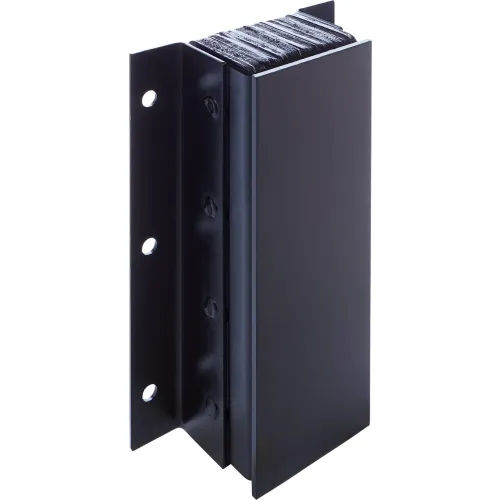 Steel-Faced Laminated Rubber Bumper: 5 Field Problems Buyers Keep Finding After Installation
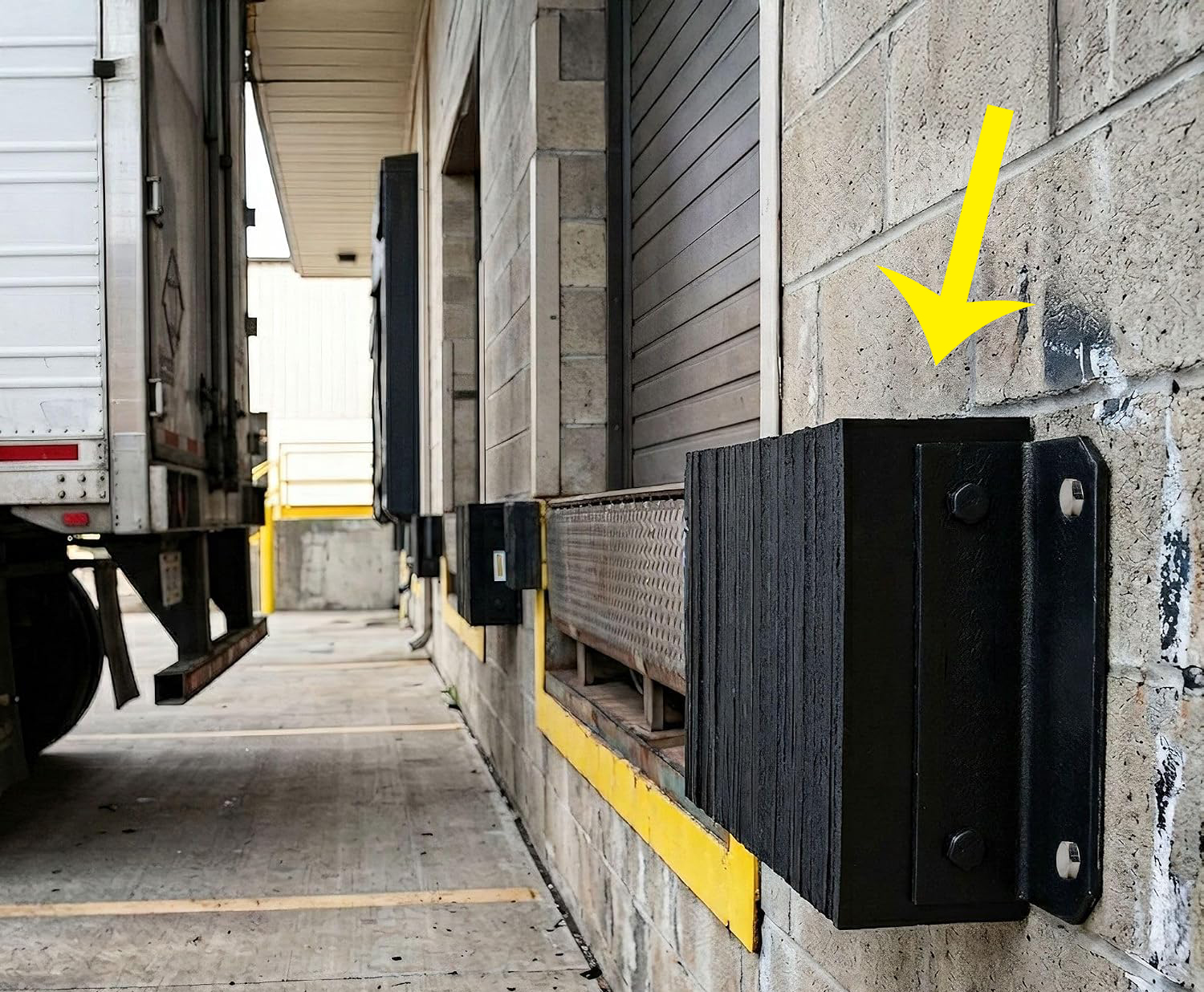 Rubber Laminated Loading Dock Bumper with Steel Angle: 5 Field Failure Signs That Point Back to the RFQ
 Bridge Bearing Pad Field Failure: 5 Visual Signs Before It Retires (And What Caused It)
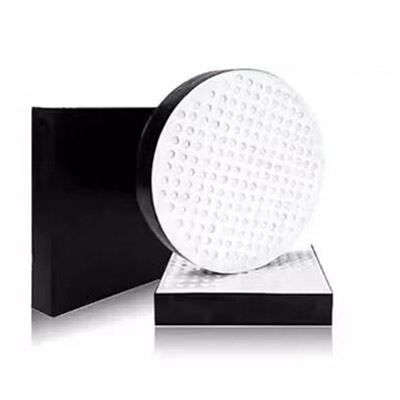 Bridge Bearing Pad RFQ Checklist: 9 Lines That Stop Suppliers From Subbing the Rubber