
In the realm of heating, ventilation, and air conditioning (HVAC) systems, the intricate dance of airflow, temperature regulation, and moisture control is a testament to human ingenuity. These systems are the lifeblood of modern buildings, ensuring occupant comfort, energy efficiency, and the preservation of indoor air quality. Within this complex network of ducts, valves, and components, one might overlook the seemingly insignificant yet crucial role played by rubber plugs. These unassuming devices are integral to maintaining system integrity, preventing leaks, and facilitating efficient operation. This article delves into the world of rubber plugs in HVAC systems, exploring their types, applications, benefits, and the considerations involved in their selection and installation.
The Unsung Heroes of HVAC Systems
Rubber plugs, often overlooked in the grand scheme of HVAC design, serve as versatile sealing solutions. They are employed to seal openings, prevent fluid or gas leakage, and isolate system components during maintenance or repairs. Whether it's sealing a drain hole, plugging a temporary opening in a duct, or isolating a section of piping for inspection, rubber plugs offer a reliable and cost-effective solution.
Types of Rubber Plugs
Rubber plugs come in various shapes, sizes, and materials, each tailored to specific HVAC applications. Understanding the different types is essential for selecting the right plug for the job.
Solid Rubber Plugs: These are straightforward, typically cylindrical or conical, designed to fit snugly into circular openings. They are often used to seal pipe ends or temporary openings during construction or maintenance.
Inflatable Plugs: These plugs can be inflated to fit the contour of the opening they are sealing. They are ideal for irregular or large openings where a tight seal is critical, such as sealing off sections of ductwork for cleaning or inspection.
Threaded Plugs: Equipped with external threads, these plugs screw into threaded openings, providing a secure fit. They are commonly used in valves, faucets, or any component with a threaded connection.
Custom-Molded Plugs: For unique or complex shapes, custom-molded rubber plugs can be designed and manufactured to fit precise specifications. This ensures a perfect seal, even in the most challenging applications.
Applications in HVAC Systems
The versatility of rubber plugs makes them indispensable in various HVAC applications:
Drain Hole Sealing: In HVAC systems, drain holes are essential for removing condensation. However, during maintenance or in emergency situations, these holes may need to be sealed temporarily to prevent water leakage or to isolate a section of the system.
Duct Sealing: Ducts are the arteries of HVAC systems, transporting conditioned air throughout a building. Rubber plugs can be used to seal temporary openings or damaged sections, preventing air leakage and maintaining system efficiency.
Component Isolation: During maintenance or repairs, it may be necessary to isolate specific components, such as valves or pipes. Rubber plugs provide a quick and effective way to seal off these components, allowing technicians to work safely without disrupting the entire system.
Testing and Inspection: When testing HVAC systems for leaks or inspecting components, rubber plugs can be used to seal off sections, ensuring accurate results and facilitating efficient inspections.
Benefits of Rubber Plugs
The adoption of rubber plugs in HVAC systems offers several advantages:
Cost-Effectiveness: Compared to other sealing methods, rubber plugs are relatively inexpensive and readily available. They provide a cost-effective solution for sealing and isolating system components.
Ease of Use: Rubber plugs are easy to install and remove, requiring minimal tools or expertise. This makes them an attractive option for HVAC technicians looking to save time and labor.
Durability and Flexibility: Made from high-quality rubber materials, these plugs are durable and can withstand the rigors of HVAC environments. Their flexibility allows them to conform to various shapes and sizes, ensuring a tight seal.
Chemical Resistance: Many rubber plugs are designed to resist chemicals commonly found in HVAC systems, such as cleaning agents, lubricants, and refrigerants. This ensures long-lasting performance and reliability.
Considerations for Selection and Installation
While rubber plugs offer numerous benefits, selecting and installing them correctly is crucial for optimal performance. Here are some key considerations:
Material Selection: The choice of rubber material is critical. Factors such as temperature range, chemical exposure, and pressure requirements must be taken into account. For example, silicone rubber is known for its high-temperature resistance and flexibility, making it suitable for HVAC applications where temperature fluctuations are common.
Size and Fit: Proper sizing is essential for achieving a tight seal. Rubber plugs should fit snugly into the opening they are sealing, without being too tight or too loose. Measuring the opening accurately and consulting manufacturer specifications can help ensure the right fit.
Installation Technique: The installation technique can vary depending on the type of plug and the application. For solid rubber plugs, simply pushing them into the opening may suffice. Inflatable plugs, on the other hand, require the use of an air pump or compressor to inflate them to the desired size.
Maintenance and Inspection: Regular inspection and maintenance of rubber plugs are necessary to ensure they remain in good condition. Over time, rubber can degrade or become brittle, compromising the seal. Replacing worn or damaged plugs promptly can prevent leaks and maintain system efficiency.
Environmental and Sustainability Considerations
As the world becomes increasingly conscious of environmental issues, the sustainability of HVAC components, including rubber plugs, is gaining attention. Manufacturers are responding by developing eco-friendly rubber materials and production processes. When selecting rubber plugs, consider those made from recycled or biodegradable materials. Additionally, proper disposal of worn-out plugs is essential to minimize environmental impact.
Rubber plugs may be small and unassuming, but their role in HVAC systems is anything but insignificant. These versatile sealing solutions offer a cost-effective, easy-to-use, and durable way to seal openings, prevent leaks, and facilitate efficient system operation. By understanding the different types of rubber plugs, their applications, and the considerations involved in their selection and installation, HVAC technicians can ensure optimal system performance and reliability. As the industry continues to evolve, so too will the materials and designs of rubber plugs, further enhancing their contribution to the efficient and sustainable operation of HVAC systems.
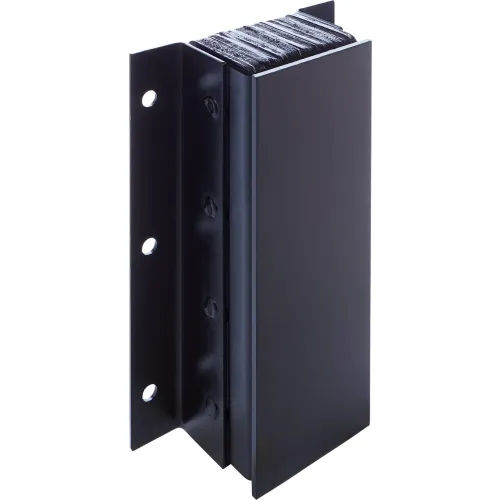 Steel-Faced Laminated Rubber Bumper: 5 Field Problems Buyers Keep Finding After Installation
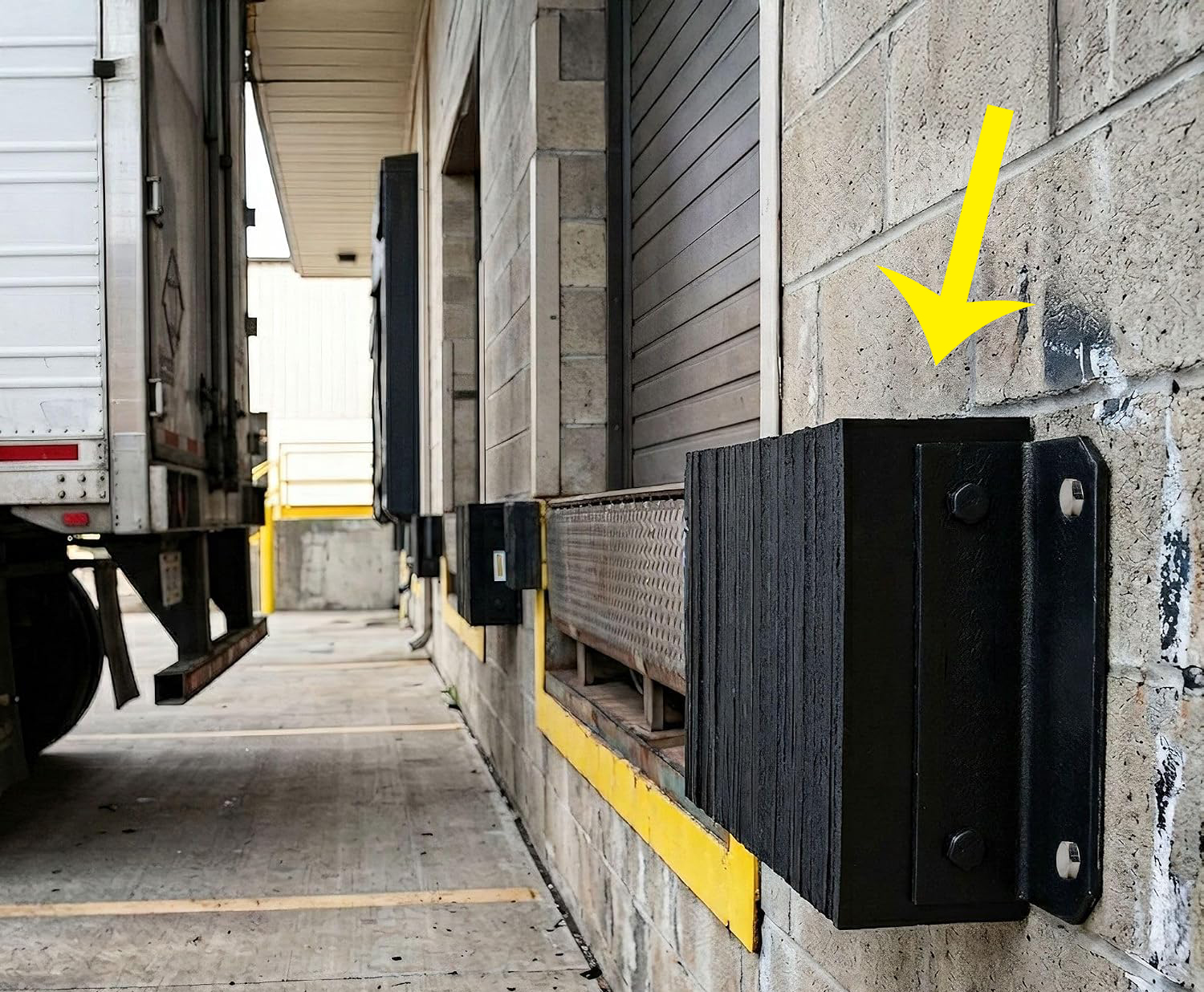 Rubber Laminated Loading Dock Bumper with Steel Angle: 5 Field Failure Signs That Point Back to the RFQ
 Bridge Bearing Pad Field Failure: 5 Visual Signs Before It Retires (And What Caused It)
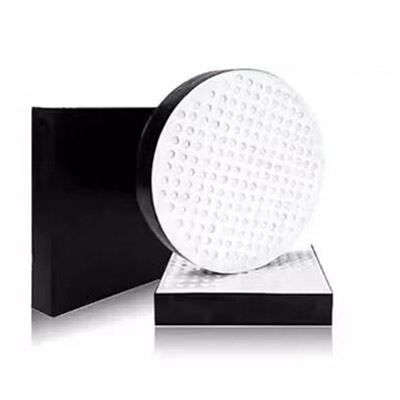 Bridge Bearing Pad RFQ Checklist: 9 Lines That Stop Suppliers From Subbing the Rubber