
Rubber plugs, often overlooked yet indispensable components in various industrial and domestic applications, play a critical role in sealing, insulating, and protecting systems from fluid ingress and leakage. From automotive engines to plumbing systems, these unassuming devices are engineered to withstand a range of environmental conditions and pressures. However, one factor that can significantly affect their performance and longevity is chemical exposure. Understanding the impact of different chemicals on rubber plugs is essential for ensuring the reliability and safety of the systems they are a part of.
Chemical Resistance: A Fundamental Property
Rubber, a versatile elastomer, is renowned for its elasticity, durability, and resistance to wear and tear. However, its chemical resistance varies widely depending on the specific polymer composition, additives, and manufacturing processes employed. Chemical resistance refers to a rubber material's ability to maintain its physical and mechanical properties when exposed to various chemicals, including acids, bases, solvents, oils, and gases.
Different rubber compounds exhibit varying degrees of chemical resistance. For instance, nitrile rubber (NBR) is known for its excellent resistance to oils and fuels but may degrade when exposed to ketones or strong acids. On the other hand, fluoroelastomers (FKM) offer superior resistance to a broad spectrum of chemicals, including acids, bases, and solvents, making them suitable for harsh environments.
Mechanisms of Chemical Degradation
The degradation of rubber plugs due to chemical exposure can occur through several mechanisms, including swelling, softening, hardening, cracking, and discoloration. These changes can compromise the plug's sealing capability, mechanical strength, and overall integrity.
Swelling: Certain chemicals can penetrate the rubber matrix, causing it to swell. This swelling can lead to a loss of dimensional stability, making the plug fit loosely in its housing and potentially causing leaks.
Softening: Exposure to solvents or plasticizers can soften the rubber, reducing its hardness and elastic modulus. A softened plug may deform under pressure, failing to maintain a tight seal.
Hardening: Conversely, some chemicals can cause the rubber to harden and become brittle. This hardening can lead to cracking and reduced flexibility, impairing the plug's ability to conform to the mating surface and seal effectively.
Cracking: Chemical attack can also result in surface cracks, which can propagate over time, leading to material failure. Cracks provide pathways for fluid ingress, compromising the system's integrity.
Discoloration: While discoloration may not directly affect the plug's performance, it can be an indicator of chemical interaction and potential degradation.
Factors Influencing Chemical Resistance
Several factors influence the chemical resistance of rubber plugs, including the type and concentration of the chemical, exposure duration, temperature, and the rubber compound's formulation.
Type and Concentration: The nature of the chemical and its concentration play a crucial role. Highly concentrated acids or bases, for example, are more likely to cause severe degradation than diluted solutions.
Exposure Duration: Prolonged exposure to a chemical can exacerbate degradation. Even chemicals that initially have minimal impact can cause significant damage over time.
Temperature: Elevated temperatures can accelerate chemical reactions, leading to faster degradation. High temperatures can also increase the permeability of the rubber, allowing chemicals to penetrate more easily.
Rubber Formulation: The choice of polymer, cross-linking density, and additives can significantly affect chemical resistance. For instance, increasing the cross-linking density can enhance resistance to swelling but may make the rubber more brittle.
Testing for Chemical Resistance
To ensure that rubber plugs can withstand the chemicals they will encounter in service, manufacturers conduct rigorous testing. Standardized tests, such as ASTM D471 (Standard Test Method for Rubber Property — Effect of Liquids), evaluate the change in physical properties after immersion in specific chemicals.
These tests involve exposing rubber samples to the test chemical for a specified period, followed by measuring changes in hardness, tensile strength, elongation, and volume. The results provide valuable data on the rubber's resistance to the chemical and help in selecting the most suitable material for a given application.
Mitigating the Effects of Chemical Exposure
To minimize the impact of chemical exposure on rubber plugs, several strategies can be employed:
Material Selection: Choose rubber compounds known for their resistance to the specific chemicals the plug will encounter. Consulting chemical resistance charts and databases can aid in this selection process.
Barrier Coatings: Applying a protective coating or lining can act as a barrier between the rubber and the chemical, reducing direct contact and degradation.
Design Considerations: Designing plugs with thicker walls or reinforcing them with stiffer materials can enhance their resistance to swelling and deformation.
Regular Inspection and Replacement: Regularly inspecting rubber plugs for signs of degradation and replacing them as needed can prevent potential failures and leaks.
Environmental Control: Where possible, controlling the environment to minimize exposure to harmful chemicals can extend the life of rubber plugs.
Rubber plugs, though seemingly simple, are vital components in maintaining the integrity and safety of various systems. Their performance and longevity can be significantly impacted by chemical exposure, making it crucial to understand and mitigate these effects. By carefully selecting materials, employing protective measures, and conducting thorough testing, manufacturers can ensure that rubber plugs remain reliable and effective, even in challenging chemical environments.
As technology advances and new materials are developed, the options for chemical-resistant rubber plugs will continue to expand. Ongoing research and innovation in this field will enable the creation of more durable, versatile, and environmentally friendly rubber products, further enhancing their contribution to industrial and domestic applications.
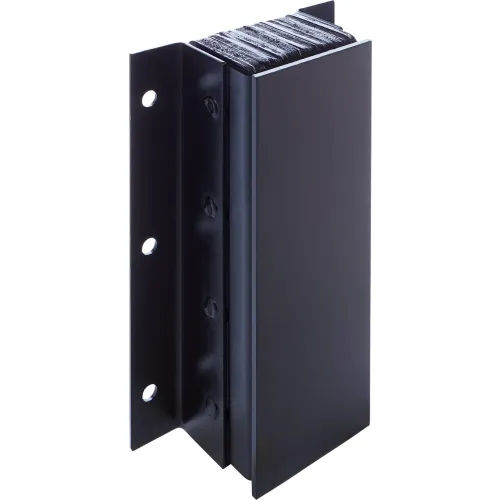 Steel-Faced Laminated Rubber Bumper: 5 Field Problems Buyers Keep Finding After Installation
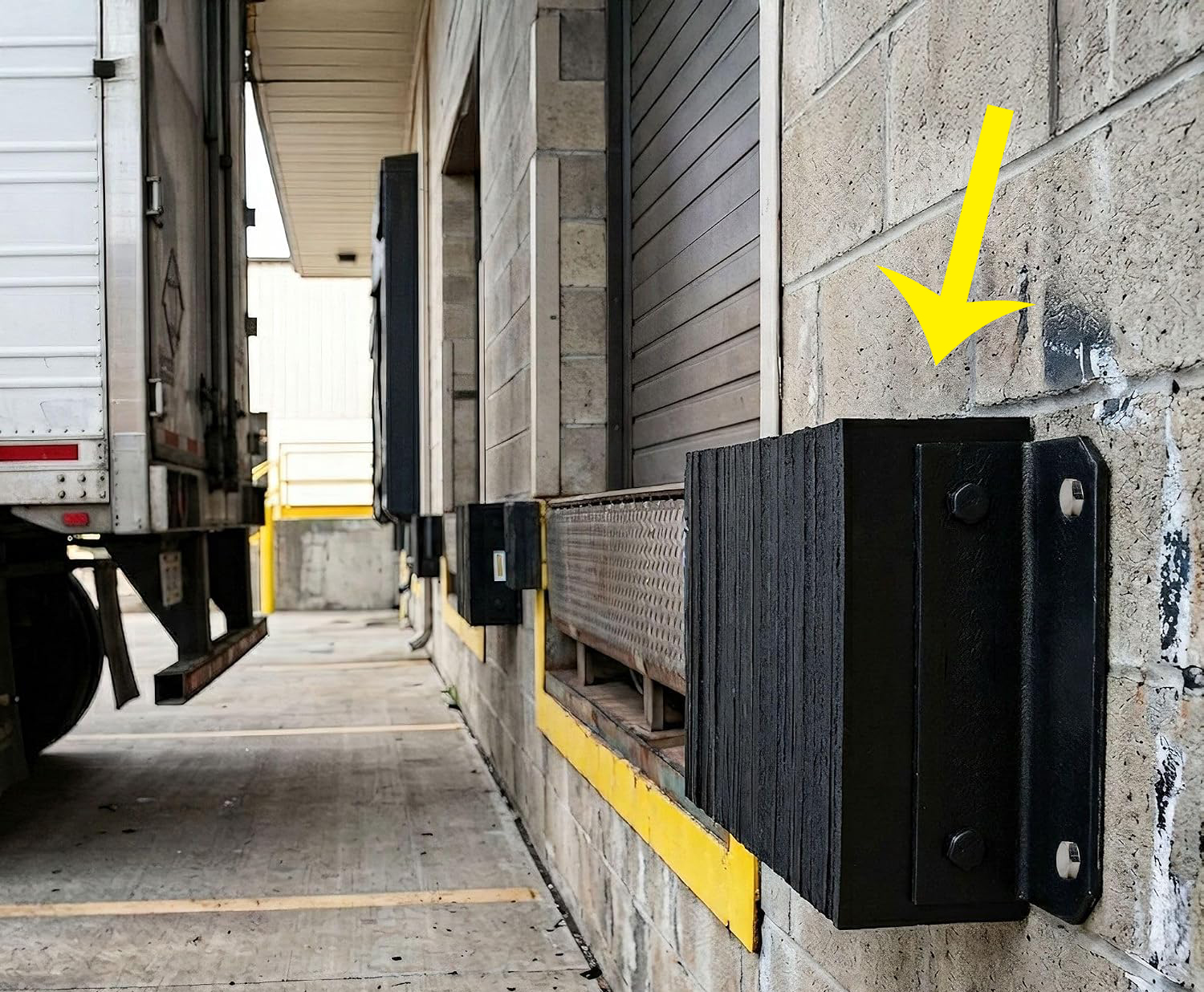 Rubber Laminated Loading Dock Bumper with Steel Angle: 5 Field Failure Signs That Point Back to the RFQ
 Bridge Bearing Pad Field Failure: 5 Visual Signs Before It Retires (And What Caused It)
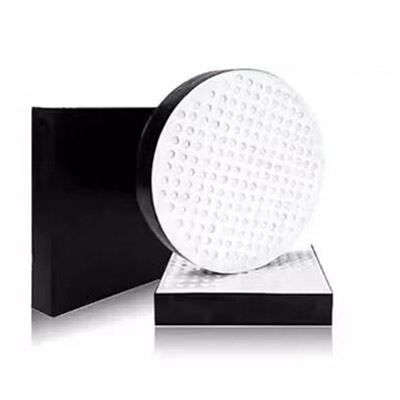 Bridge Bearing Pad RFQ Checklist: 9 Lines That Stop Suppliers From Subbing the Rubber