
In the realm of fluid dynamics and industrial processes, precise flow control is paramount to ensuring efficiency, safety, and system reliability. One often-overlooked yet crucial component in achieving this control is the rubber plug. These unassuming devices play a pivotal role in regulating the flow of liquids and gases within pipes, valves, and various machinery. This article delves into the intricacies of rubber plug design, focusing on how specific design elements contribute to optimal flow control, durability, and adaptability across diverse applications.
Understanding the Role of Rubber Plugs
Rubber plugs are versatile sealing components used to block or regulate the passage of fluids. They are typically employed in valves, faucets, and piping systems where precise control over fluid flow is necessary. Unlike metallic or ceramic components, rubber plugs offer several advantages, including flexibility, corrosion resistance, and cost-effectiveness. Their ability to conform to irregular surfaces and withstand a range of temperatures and pressures makes them indispensable in numerous industries, from plumbing and automotive to aerospace and chemicals.
Design Principles for Optimal Flow Control
Designing a rubber plug for optimal flow control involves a delicate balance of material selection, shape, size, and surface texture. Each of these factors significantly influences the plug's performance, durability, and ease of use.
1. Material Selection
The choice of rubber material is fundamental to the plug's effectiveness. Different rubber compounds exhibit varying degrees of elasticity, hardness, chemical resistance, and temperature tolerance. For instance, nitrile rubber (NBR) is known for its oil resistance, making it ideal for automotive and industrial applications where oil or fuel is present. On the other hand, ethylene propylene diene monomer (EPDM) rubber offers excellent weather and ozone resistance, making it suitable for outdoor applications.
When designing for optimal flow control, the rubber material must possess sufficient elasticity to form a tight seal without excessive deformation. It should also be able to withstand the specific fluid's chemical properties and the operating temperatures without degrading. Material selection should, therefore, be tailored to the application's unique requirements.
2. Shape and Size
The shape and size of the rubber plug directly impact its ability to control flow. Common shapes include conical, cylindrical, and spherical, each offering distinct advantages. Conical plugs, for example, are often used in taper-threaded fittings, providing a secure seal and easy installation. Cylindrical plugs are suitable for applications requiring a straight-through flow path, while spherical plugs can adapt to various angles and provide a self-centering seal.
The size of the plug must be precisely calculated to match the pipe or valve's internal diameter. A plug that is too small may fail to seal properly, leading to leaks, while one that is too large may cause excessive friction, making it difficult to operate. Designers must consider both the static and dynamic conditions under which the plug will function, ensuring it maintains a consistent seal without impeding flow when open.
3. Surface Texture
The surface texture of the rubber plug is another critical design aspect. A smooth surface minimizes friction, facilitating easy insertion and removal. However, in some applications, a textured or ribbed surface may be beneficial. Texturing can enhance the plug's grip, preventing it from slipping out of position, especially in high-pressure or vibratory environments.
Additionally, the surface finish can influence the seal's tightness. A micro-porous or slightly tacky surface may improve sealing by adhering better to the mating surface. Designers must strike a balance between ease of use and sealing efficiency, tailoring the surface texture to the specific application needs.
4. Durability and Wear Resistance
Durability is a key consideration in rubber plug design. The plug must withstand repeated cycles of opening and closing without significant wear or deformation. Incorporating reinforcing agents, such as fibers or particles, into the rubber compound can enhance its mechanical strength and wear resistance.
Furthermore, designers must account for the potential for abrasion, erosion, and chemical attack. In abrasive environments, using harder rubber compounds or applying protective coatings can extend the plug's lifespan. Similarly, selecting materials resistant to specific chemicals ensures the plug remains effective in corrosive environments.
5. Adaptability and Customization
One of the hallmarks of rubber plugs is their adaptability. They can be customized to fit a wide range of applications, from simple household faucets to complex industrial valves. Customization may involve varying the plug's shape, size, material, or surface texture to meet specific performance criteria.
In some cases, integrating additional features, such as O-rings or backup rings, can enhance sealing performance. These features provide a secondary seal, reducing the risk of leaks and improving the plug's overall reliability. Designers must work closely with manufacturers to ensure the custom plug meets all specified requirements and performs as expected in the intended application.
Testing and Validation
Before a rubber plug design is finalized, extensive testing and validation are essential. This process involves subjecting the plug to a series of tests to assess its sealing capability, durability, and performance under various conditions.
Pressure tests verify the plug's ability to maintain a seal at specified pressures. Flow tests evaluate its impact on fluid flow rates and ensure it does not restrict flow unnecessarily when open. Chemical compatibility tests confirm the plug's resistance to the fluids it will encounter in service.
In addition to these standard tests, designers may also conduct accelerated aging tests to simulate long-term exposure to temperature, pressure, and chemicals. This approach helps predict the plug's lifespan and identify potential issues before they arise in the field.
Rubber plugs are indispensable components in fluid control systems, offering a combination of flexibility, durability, and cost-effectiveness. Designing these plugs for optimal flow control requires careful consideration of material selection, shape, size, surface texture, durability, and adaptability. By tailoring each design element to the specific application requirements, designers can ensure the rubber plug performs reliably and efficiently.
Extensive testing and validation are crucial to verifying the plug's performance and durability. Through a meticulous design process and rigorous testing, rubber plugs can be engineered to provide precise flow control, enhancing the efficiency, safety, and reliability of fluid systems across diverse industries. As technology advances and new materials become available, the design possibilities for rubber plugs will continue to expand, further improving their capabilities and applications.
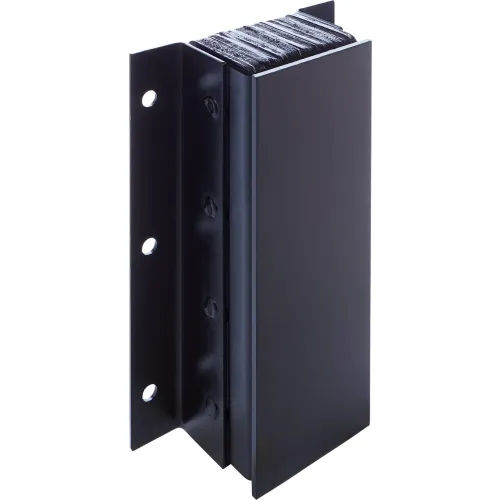 Steel-Faced Laminated Rubber Bumper: 5 Field Problems Buyers Keep Finding After Installation
 Rubber Laminated Loading Dock Bumper with Steel Angle: 5 Field Failure Signs That Point Back to the RFQ
 Bridge Bearing Pad Field Failure: 5 Visual Signs Before It Retires (And What Caused It)
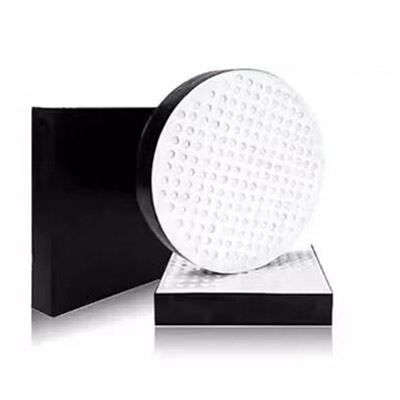 Bridge Bearing Pad RFQ Checklist: 9 Lines That Stop Suppliers From Subbing the Rubber