
The oil and gas industry is a complex and multifaceted sector that plays a crucial role in the global economy. From exploration and drilling to transportation and refining, each stage of the process requires precision, safety, and reliability. One often-overlooked but essential component in this industry is the rubber plug. These unassuming devices serve a variety of purposes, contributing to the efficiency and safety of oil and gas operations. In this article, we will explore the diverse applications of rubber plugs in the oil and gas industry, highlighting their importance and the unique properties that make them indispensable.
Drilling Operations
Drilling for oil and gas is a challenging task that involves penetrating deep into the earth's crust to reach hydrocarbon reservoirs. During this process, rubber plugs are employed for various purposes. One of the primary applications is in the cementing process, which is critical for securing the wellbore and preventing leaks. Rubber plugs, known as wiper plugs, are used to displace cement slurry and ensure an even distribution along the casing walls. These plugs are designed to withstand high pressures and temperatures, making them ideal for this demanding environment.
In addition to cementing, rubber plugs are also used in drilling mud systems. Drilling mud, a specially formulated fluid, is essential for lubricating the drill bit, stabilizing the wellbore, and carrying cuttings to the surface. Rubber plugs can be used to isolate different sections of the drilling mud system, allowing for the introduction or isolation of specific chemicals or additives. This capability is particularly useful when adjusting the mud properties to应对 varying downhole conditions.
Well Completion and Production
Once a well has been drilled and cemented, the next step is to complete the well for production. Rubber plugs play a vital role in this phase as well. They are often used in downhole tools, such as packers and plugs, which are designed to isolate specific zones within the wellbore. These devices help control the flow of fluids and gases, ensuring that production occurs only from the intended intervals.
Rubber plugs are also utilized in production tubing and casing strings. They act as seals, preventing leaks and maintaining the integrity of the wellbore. In some cases, expandable rubber plugs are used to seal off perforations in the casing, allowing for selective production from different zones. This flexibility is particularly valuable in complex reservoirs where precise control over fluid flow is essential.
Pipeline Transportation
The transportation of oil and gas via pipelines is another area where rubber plugs are extensively used. Pipelines are a cost-effective and efficient means of moving hydrocarbons over long distances. However, they require regular maintenance and inspection to ensure safe operation.
Rubber plugs are employed in pipeline pigging operations, a process used to clean and inspect the interior of pipelines. Pigs, which are devices inserted into the pipeline, are equipped with rubber cups or seals that create a tight fit against the pipe walls. As the pig travels through the pipeline, it removes debris, scale, and other contaminants, helping to maintain the flow efficiency and prevent corrosion.
In addition to cleaning, rubber plugs are also used in pipeline isolation and repair. In the event of a leak or maintenance requirement, temporary rubber plugs can be installed to isolate a section of the pipeline, allowing for repairs or inspections without shutting down the entire system. This capability minimizes downtime and reduces the risk of environmental spills.
Refinery and Processing Plants
The refining and processing of oil and gas into usable products involve a series of complex chemical and physical transformations. Rubber plugs are used in various applications within refinery and processing plants, contributing to the safety and efficiency of these operations.
One common application is in valve seals. Valves are critical components in refining processes, controlling the flow of fluids and gases between different units. Rubber plugs, or seals, are used to ensure a tight fit between the valve body and the valve stem, preventing leaks and maintaining process integrity. These seals must withstand high temperatures, pressures, and exposure to corrosive chemicals, making them an essential component in refinery operations.
Rubber plugs are also used in heat exchangers, which are devices used to transfer heat between two or more fluids. In some designs, rubber gaskets or seals are used to create a seal between the heat exchanger plates or tubes, preventing mixing of the fluids and ensuring efficient heat transfer.
Environmental and Safety Considerations
The oil and gas industry is subject to stringent environmental and safety regulations. Rubber plugs play a crucial role in helping companies comply with these regulations and minimize their environmental footprint.
In the event of a spill or leak, rubber plugs can be used to quickly contain the release, preventing further contamination. They are also used in emergency response equipment, such as spill kits and containment booms, to absorb and contain oil spills.
Furthermore, rubber plugs contribute to the overall safety of oil and gas operations. By providing reliable seals and isolating potential leak points, they help prevent accidents and protect the health and safety of workers.
Innovations and Future Trends
The use of rubber plugs in the oil and gas industry is not static. Continuous advancements in materials science and manufacturing processes are leading to the development of new and improved rubber compounds. These compounds offer enhanced resistance to high temperatures, pressures, and chemical exposure, making them even more suitable for the demanding conditions of the oil and gas industry.
In addition to material innovations, the design of rubber plugs is also evolving. Engineers are developing new configurations and shapes to better suit specific applications, improving their performance and reliability.
Furthermore, the integration of rubber plugs with other technologies, such as sensors and monitoring systems, is opening up new possibilities. For example, smart rubber plugs equipped with sensors can provide real-time data on pressure, temperature, and fluid flow, allowing for more precise control and monitoring of oil and gas operations.
In conclusion, rubber plugs may seem like a simple and unassuming component, but they play a vital role in the oil and gas industry. From drilling operations to pipeline transportation and refinery processes, these versatile devices contribute to the efficiency, safety, and environmental performance of oil and gas operations. As the industry continues to evolve, so too will the applications and capabilities of rubber plugs, ensuring that they remain an indispensable part of the oil and gas sector for years to come.
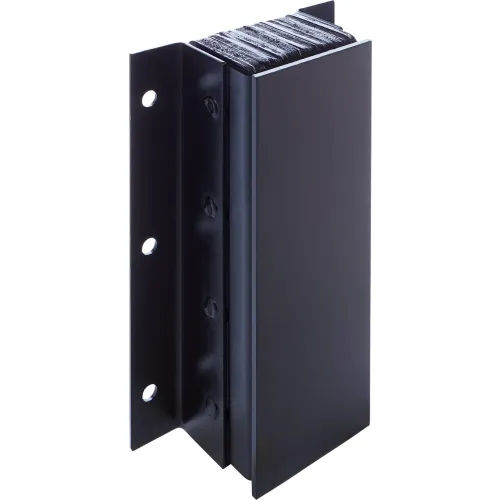 Steel-Faced Laminated Rubber Bumper: 5 Field Problems Buyers Keep Finding After Installation
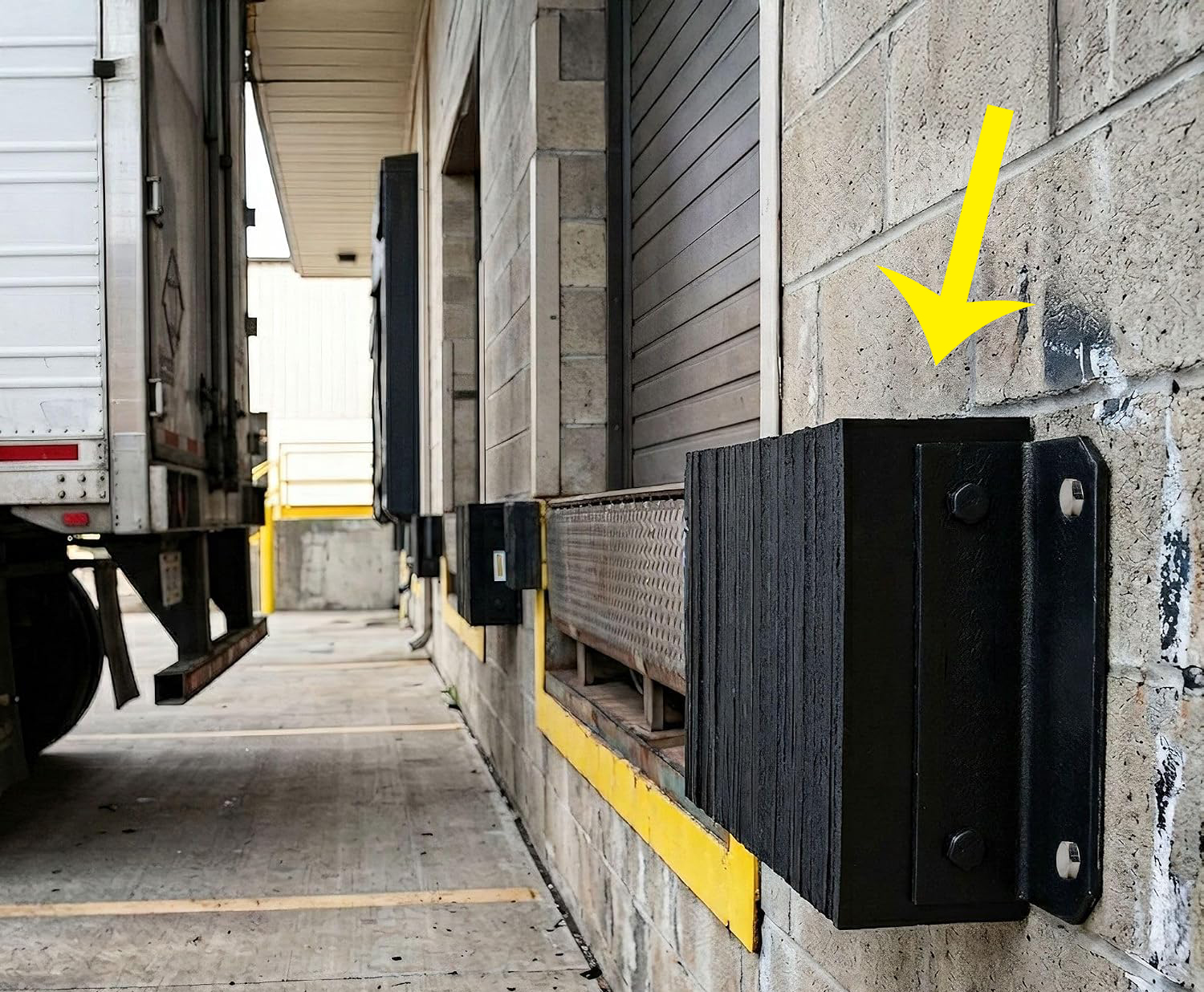 Rubber Laminated Loading Dock Bumper with Steel Angle: 5 Field Failure Signs That Point Back to the RFQ
 Bridge Bearing Pad Field Failure: 5 Visual Signs Before It Retires (And What Caused It)
 Bridge Bearing Pad RFQ Checklist: 9 Lines That Stop Suppliers From Subbing the Rubber