
In various mechanical and engineering applications, rubber plugs serve as essential components, providing sealing, protection, and sometimes even acting as dampers or stoppers. However, one common issue encountered with rubber plugs is friction. Excessive friction can lead to difficulties in insertion and removal, wear and tear on both the plug and the mating surface, and even potential failure of the system. To address this, it's crucial to understand the factors contributing to friction and explore effective strategies to reduce it. This article delves into the intricacies of rubber plug friction and outlines practical methods to minimize it.
Understanding Friction in Rubber Plugs
Friction is the resistance that one surface encounters when moving over another. In the context of rubber plugs, this resistance arises due to several factors, including the material properties of the rubber, the design of the plug, the surface finish of the mating components, and the environmental conditions.
Rubber, as a material, exhibits unique characteristics such as elasticity, viscoelasticity, and adhesion. These properties play a significant role in determining the frictional behavior of rubber plugs. For instance, the elasticity of rubber allows it to conform to the shape of the mating surface, creating a tight seal. However, this same property can also lead to high friction, especially when the plug needs to be removed.
The design of the rubber plug is another critical factor. The geometry, dimensions, and surface texture of the plug can all influence friction. A poorly designed plug may have sharp edges or irregular shapes that increase resistance during insertion and removal.
The surface finish of the mating component is equally important. Rough or uneven surfaces can create high frictional forces, making it difficult to insert or remove the plug. Conversely, smooth and well-finished surfaces tend to reduce friction.
Environmental conditions, such as temperature and humidity, can also affect friction. Rubber's properties change with temperature, becoming stiffer in cold conditions and more pliable in warm conditions. Similarly, high humidity can cause rubber to swell, altering its dimensions and frictional characteristics.
Strategies to Reduce Friction
Reducing friction in rubber plugs involves a combination of material selection, design optimization, surface treatment, and environmental control. Here are some practical strategies to achieve this:
Material Selection:
Choose rubber compounds with lower friction coefficients. Different rubber materials exhibit varying levels of friction. For example, silicone rubber is known for its low friction properties compared to other rubbers like natural rubber or nitrile rubber.
Consider adding lubricants or anti-friction agents to the rubber compound. These additives can reduce the adhesion between the rubber and the mating surface, thereby lowering friction.
Design Optimization:
Design the plug with a smooth and streamlined shape. Avoid sharp edges and irregularities that can increase friction.
Incorporate a chamfer or taper on the leading edge of the plug. This helps to guide the plug into the mating hole, reducing the initial resistance.
Ensure proper clearance between the plug and the mating surface. Too tight a fit can lead to high friction, while too loose a fit may compromise the sealing performance.
Surface Treatment:
Treat the mating surface to achieve a smooth and uniform finish. This can be done through processes such as polishing, grinding, or machining.
Apply a lubricant or coating to the mating surface. This can provide a layer of separation between the rubber plug and the surface, reducing friction.
Environmental Control:
Maintain the operating temperature within the recommended range for the rubber material. Extreme temperatures can alter the properties of rubber, leading to increased friction.
Control the humidity levels in the environment. High humidity can cause rubber to swell, changing its dimensions and increasing friction.
Installation and Removal Techniques:
Use proper insertion and removal techniques to minimize friction. For example, apply a gradual and even force when inserting the plug, avoiding sudden or jerky movements.
Consider using tools or devices designed to assist with the insertion and removal of rubber plugs. These tools can provide the necessary leverage and control to reduce friction.
Regular Maintenance:
Inspect the rubber plug and mating surface regularly for signs of wear, tear, or contamination. Replace worn-out plugs and clean or repair mating surfaces as needed.
Lubricate the mating surface periodically, especially in applications where the plug is frequently inserted and removed.
Case Study: Reducing Friction in a Rubber Plug Application
To illustrate the effectiveness of these strategies, let's consider a case study involving a rubber plug used in a hydraulic system. The original plug was made of natural rubber and had a square cross-section. Users reported difficulty in inserting and removing the plug, which led to frequent replacements and potential leaks in the system.
To address this issue, the following steps were taken:
Material Selection: The natural rubber was replaced with a silicone rubber compound known for its low friction properties.
Design Optimization: The square cross-section was changed to a rounded cross-section with a chamfer on the leading edge. This design change helped to guide the plug into the mating hole more easily.
Surface Treatment: The mating surface was polished to achieve a smooth finish, and a lubricant was applied to reduce friction.
Environmental Control: The operating temperature and humidity levels were monitored and maintained within the recommended ranges.
After implementing these changes, user feedback indicated a significant reduction in friction during the insertion and removal of the rubber plug. The new design also improved the sealing performance of the system, reducing the likelihood of leaks.
Reducing friction in rubber plugs is essential for ensuring smooth operation, prolonging the lifespan of the components, and preventing potential system failures. By understanding the factors contributing to friction and implementing strategies such as material selection, design optimization, surface treatment, environmental control, and proper installation and removal techniques, it's possible to achieve significant reductions in friction. The case study presented in this article demonstrates the effectiveness of these strategies in a real-world application. By adopting a holistic approach to friction reduction, engineers and mechanics can improve the performance and reliability of systems that rely on rubber plugs.
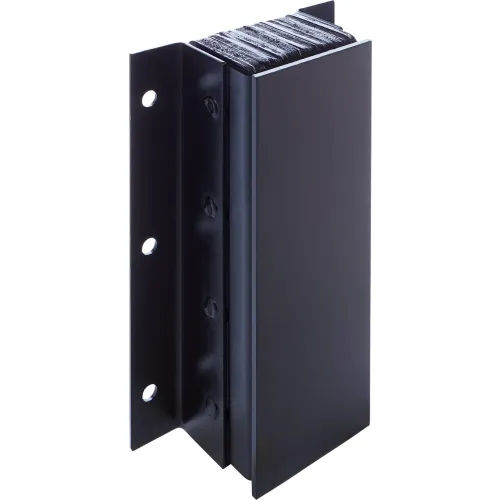 Steel-Faced Laminated Rubber Bumper: 5 Field Problems Buyers Keep Finding After Installation
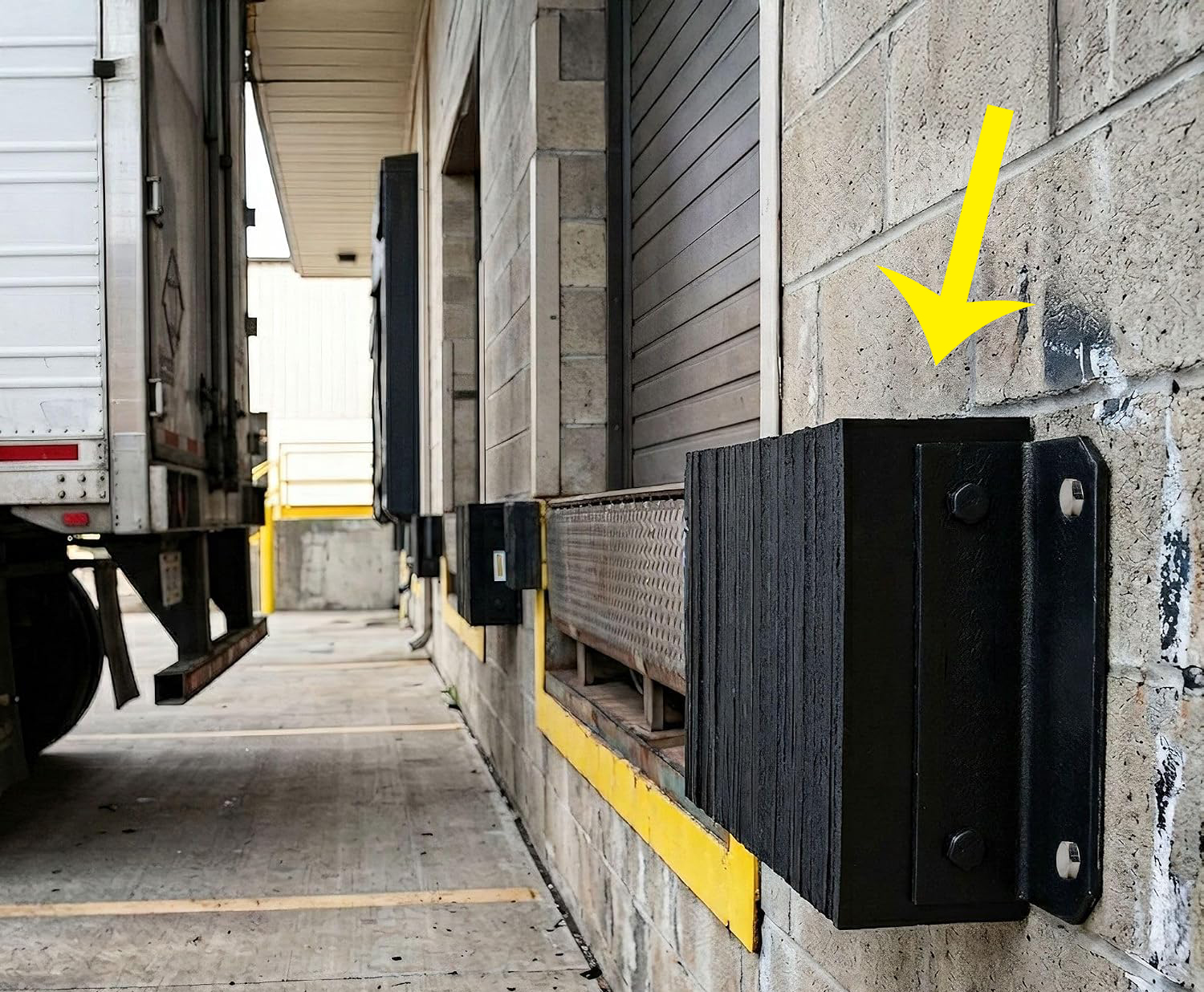 Rubber Laminated Loading Dock Bumper with Steel Angle: 5 Field Failure Signs That Point Back to the RFQ
 Bridge Bearing Pad Field Failure: 5 Visual Signs Before It Retires (And What Caused It)
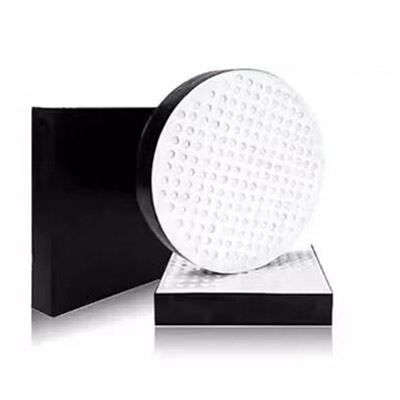 Bridge Bearing Pad RFQ Checklist: 9 Lines That Stop Suppliers From Subbing the Rubber