
Agricultural machinery has revolutionized the way we cultivate and harvest crops, significantly enhancing productivity and efficiency in the farming sector. From tractors and combine harvesters to irrigation systems and planters, these machines are integral to modern agriculture. However, the functionality and durability of agricultural machinery rely on various small yet crucial components, one of which is the rubber plug. Often overlooked, rubber plugs play a vital role in the smooth operation and maintenance of agricultural equipment. This article delves into the significance of rubber plugs in agricultural machinery, exploring their applications, benefits, and the impact they have on overall farming practices.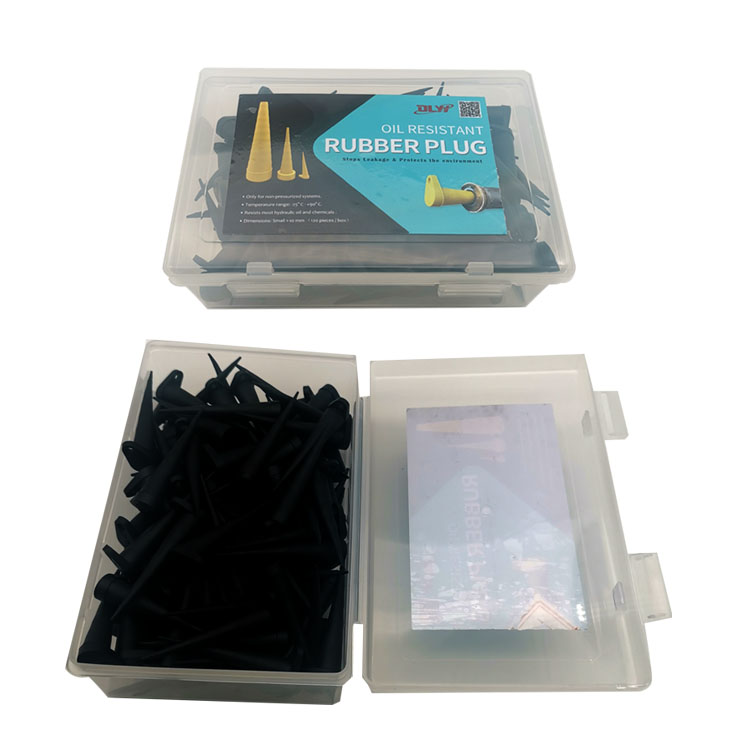
The Versatile Nature of Rubber Plugs
Rubber plugs are versatile components used in a multitude of applications across different industries, including agriculture. Made from high-quality rubber materials such as natural rubber, silicone, or synthetic rubbers like nitrile or neoprene, these plugs are designed to withstand the harsh conditions often encountered in agricultural settings. They are available in various sizes, shapes, and hardness levels, making them suitable for a wide range of functions.
In agricultural machinery, rubber plugs serve multiple purposes. They are primarily used to seal openings, prevent leakage, and protect sensitive components from dust, moisture, and other contaminants. Whether it's sealing a hydraulic line, plugging a drain hole, or covering an unused port, rubber plugs are essential for maintaining the integrity and performance of agricultural equipment.
Applications in Agricultural Machinery
Hydraulic Systems: Hydraulic systems are critical in agricultural machinery, powering everything from the lifting mechanisms of tractors to the operation of combine harvester components. Rubber plugs are used to seal hydraulic fittings, hoses, and valves, preventing fluid leakage and ensuring the system operates at optimal pressure. This helps to maintain the efficiency and reliability of the hydraulic system, reducing the risk of breakdowns and costly repairs.
Engine Compartments: Agricultural machinery engines are exposed to dust, dirt, and debris, which can lead to premature wear and damage if not properly protected. Rubber plugs are used to seal openings in the engine compartment, such as unused sensor holes or wire entry points, preventing the ingress of contaminants. This helps to extend the life of the engine and maintain its performance.
Fuel and Lubrication Systems: Proper fuel and lubrication are essential for the smooth operation of agricultural machinery. Rubber plugs are used to seal fuel tanks, lubrication points, and oil reservoirs, preventing leakage and contamination. This ensures that the machinery runs efficiently and reduces the risk of engine damage due to insufficient lubrication or fuel contamination.
Drainage Systems: Agricultural equipment often operates in wet or muddy conditions, making drainage an important consideration. Rubber plugs are used to seal drain holes when not in use, preventing water and mud from entering the machinery. This helps to protect internal components from corrosion and damage, ensuring the equipment remains in good working condition.
Implement Attachments: Agricultural machinery often includes various attachments and implements, such as plows, cultivators, and sprayers. Rubber plugs are used to seal connection points and mounting holes, ensuring a tight fit and preventing movement or vibration during operation. This enhances the stability and performance of the attachments, allowing for more efficient and effective farming practices.
Benefits of Using Rubber Plugs
Cost-Effective: Rubber plugs are a cost-effective solution for sealing and protecting agricultural machinery. They are relatively inexpensive and easy to install, making them an ideal choice for farmers looking to maintain their equipment without breaking the bank.
Durability: High-quality rubber plugs are designed to withstand the harsh conditions of agricultural environments. They are resistant to wear, tear, and weathering, ensuring long-lasting performance and reliability.
Versatility: The availability of rubber plugs in various sizes, shapes, and hardness levels makes them suitable for a wide range of applications in agricultural machinery. This versatility allows farmers to use rubber plugs for multiple purposes, reducing the need for multiple components and simplifying maintenance.
Easy to Replace: Rubber plugs are easy to replace when they become worn or damaged. This means farmers can quickly and easily maintain their equipment, minimizing downtime and ensuring that their machinery remains in optimal condition for efficient farming practices.
Environmental Impact: By preventing leakage and contamination, rubber plugs help to reduce the environmental impact of agricultural machinery. This is particularly important in today's world, where sustainable farming practices are becoming increasingly important.
Impact on Farming Practices
The use of rubber plugs in agricultural machinery has a significant impact on farming practices. By ensuring the proper sealing and protection of equipment, rubber plugs help to maintain the efficiency, reliability, and longevity of agricultural machinery. This, in turn, leads to improved productivity and cost savings for farmers.
Reduced downtime and maintenance costs allow farmers to focus on their core activities, such as planting, cultivating, and harvesting crops. This contributes to more efficient and effective farming practices, ultimately leading to increased crop yields and profitability.
Furthermore, the use of rubber plugs helps to promote sustainable farming practices by reducing the environmental impact of agricultural machinery. By preventing leakage and contamination, rubber plugs contribute to the conservation of natural resources and the protection of ecosystems.
In conclusion, rubber plugs may be small and unassuming, but they play a crucial role in the smooth operation and maintenance of agricultural machinery. Their versatility, durability, and cost-effectiveness make them an indispensable component in modern farming practices. By ensuring the proper sealing and protection of agricultural equipment, rubber plugs contribute to improved productivity, reduced maintenance costs, and sustainable farming practices. As the agriculture sector continues to evolve, the importance of rubber plugs in maintaining the efficiency and reliability of agricultural machinery will only become more apparent.
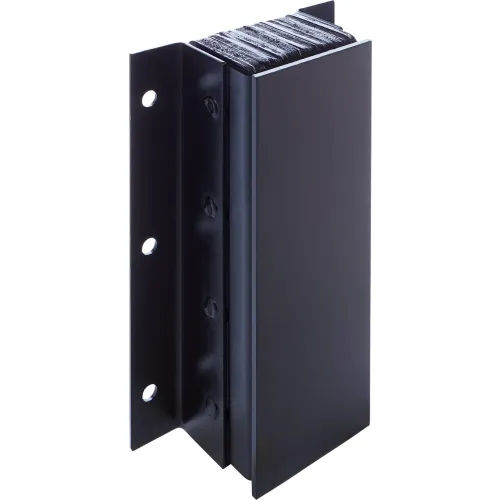 Steel-Faced Laminated Rubber Bumper: 5 Field Problems Buyers Keep Finding After Installation
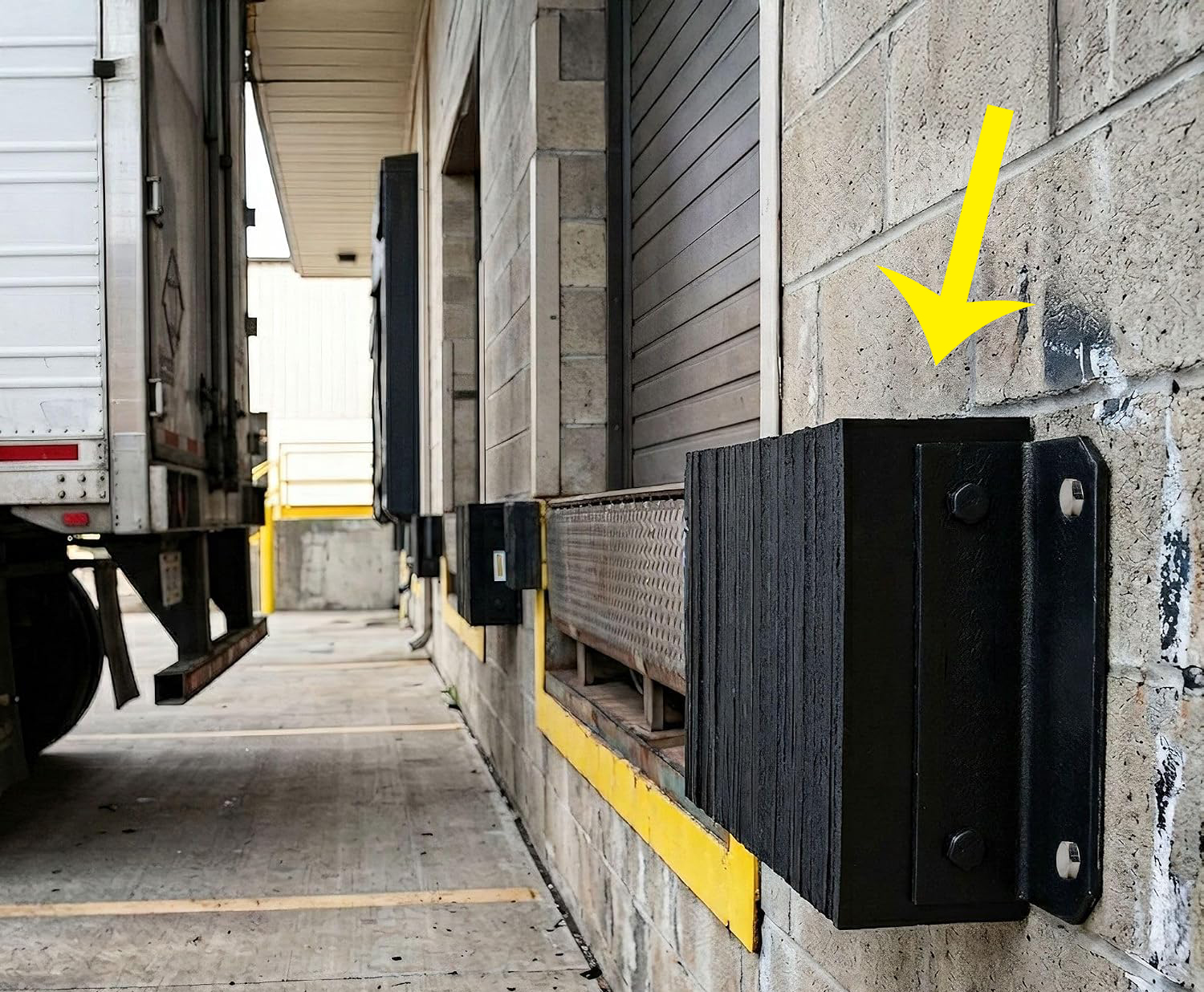 Rubber Laminated Loading Dock Bumper with Steel Angle: 5 Field Failure Signs That Point Back to the RFQ
 Bridge Bearing Pad Field Failure: 5 Visual Signs Before It Retires (And What Caused It)
 Bridge Bearing Pad RFQ Checklist: 9 Lines That Stop Suppliers From Subbing the Rubber