
In various industrial applications, rubber plugs play a crucial role in sealing and protecting components, especially in environments where extreme temperatures are a norm. Cryogenic conditions, typically defined as temperatures below -150°C (-238°F), pose unique challenges for materials, including rubbers. Selecting the right rubber plug for cryogenic use requires a thorough understanding of the material properties, application requirements, and the specific challenges associated with low-temperature environments. This article aims to guide you through the process of choosing the most suitable rubber plugs for cryogenic applications.
Understanding the Challenges of Cryogenic Conditions
Cryogenic environments significantly affect the physical and chemical properties of materials. Rubbers, in particular, can experience changes in elasticity, hardness, and brittleness. The primary challenges include:
Loss of Elasticity: At extremely low temperatures, rubbers can lose their elasticity, becoming stiff and less able to conform to the shapes they need to seal.
Brittleness: Cryogenic conditions can cause rubbers to become brittle, increasing the risk of cracking or breaking under stress.
Thermal Contraction: Rubbers contract when exposed to cold temperatures, which can affect the fit and seal integrity.
Chemical Changes: Some rubber compounds can undergo chemical changes at low temperatures, altering their properties and performance.
Key Properties to Consider
When selecting rubber plugs for cryogenic use, several material properties are critical:
Low-Temperature Flexibility: The rubber must remain flexible at the lowest expected operating temperature to maintain its sealing capabilities.
Resilience: The material should be able to recover its original shape after being compressed or deformed.
Thermal Stability: The rubber must withstand the thermal stresses of rapid temperature changes without significant degradation.
Chemical Resistance: Depending on the application, the rubber may need to resist specific chemicals or fluids that it will come into contact with at cryogenic temperatures.
Compression Set: This is the permanent deformation that occurs when a material is subjected to a constant compressive stress for a prolonged period. For cryogenic applications, a low compression set is desirable.
Types of Rubbers Suitable for Cryogenic Applications
Several rubber compounds exhibit good performance in cryogenic conditions. Here are some of the most commonly used:
Silicone Rubber: Known for its excellent low-temperature flexibility and thermal stability, silicone rubber can maintain its properties down to -55°C (-67°F) and, in some special grades, even lower.
Fluoroelastomers (FKM): These rubbers, particularly those with a terpolymer structure, offer good low-temperature performance and chemical resistance. They can operate effectively at temperatures as low as -25°C (-13°F).
Ethylene Propylene Diene Monomer (EPDM) Rubber: EPDM has good low-temperature properties and is relatively inexpensive. However, its low-temperature performance is typically limited to around -40°C (-40°F).
Nitrile Rubber (NBR): While standard NBR has limited low-temperature capability, special low-temperature grades can operate down to -30°C (-22°F). It is also known for its oil and fuel resistance.
Butyl Rubber: This rubber is known for its excellent gas impermeability and can perform well at low temperatures, although its specific low-temperature limit depends on the compound formulation.
Application-Specific Considerations
Beyond the material properties, the selection of rubber plugs for cryogenic use should also consider the specific application requirements:
Seal Design: The design of the plug, including its shape, size, and durometer (hardness), must be tailored to the application to ensure an effective seal under cryogenic conditions.
Installation and Removal: In cryogenic environments, the ease of installing and removing the rubber plug is important. Stiff or brittle materials can complicate these processes.
Environmental Factors: Consider any additional environmental factors, such as exposure to moisture, chemicals, or radiation, which could affect the rubber's performance.
Service Life: Evaluate the expected service life of the rubber plug in the cryogenic environment. Some materials may degrade over time when exposed to extreme temperatures.
Cost and Availability: While cost should not be the sole determining factor, it is important to consider the balance between material performance and budget constraints. Additionally, the availability of the material in the required specifications should be taken into account.
Testing and Validation
Before finalizing the selection of a rubber plug for cryogenic use, it is essential to conduct thorough testing and validation. This may include:
Low-Temperature Testing: Subject the rubber material to the expected cryogenic temperatures and evaluate its performance in terms of flexibility, resilience, and seal integrity.
Compression Set Testing: Measure the compression set after exposing the material to the cryogenic temperature for a specified period to ensure it can recover its original shape.
Chemical Compatibility Testing: If the rubber plug will come into contact with specific chemicals or fluids at cryogenic temperatures, test for chemical resistance.
Field Testing: Whenever possible, conduct field testing to evaluate the rubber plug's performance in the actual application environment.
Selecting the right rubber plug for cryogenic use is a complex process that requires careful consideration of material properties, application requirements, and the specific challenges of low-temperature environments. By understanding the challenges posed by cryogenic conditions, focusing on key material properties, considering application-specific factors, and conducting thorough testing and validation, you can ensure that the rubber plugs you choose will perform reliably and effectively in even the harshest of cold environments. Whether you're working in aerospace, medical, industrial, or any other field where cryogenic conditions are a concern, the principles outlined in this article will help guide you toward the best possible material selection for your needs.
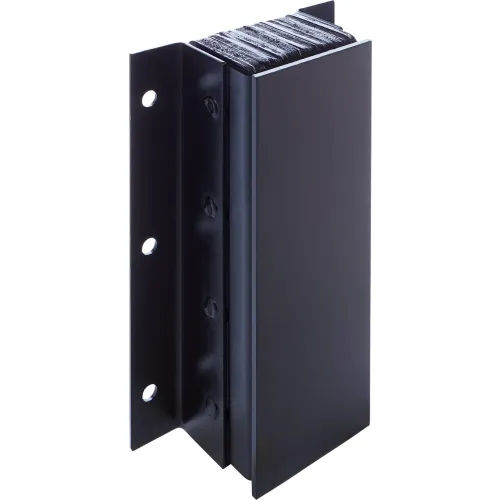 Steel-Faced Laminated Rubber Bumper: 5 Field Problems Buyers Keep Finding After Installation
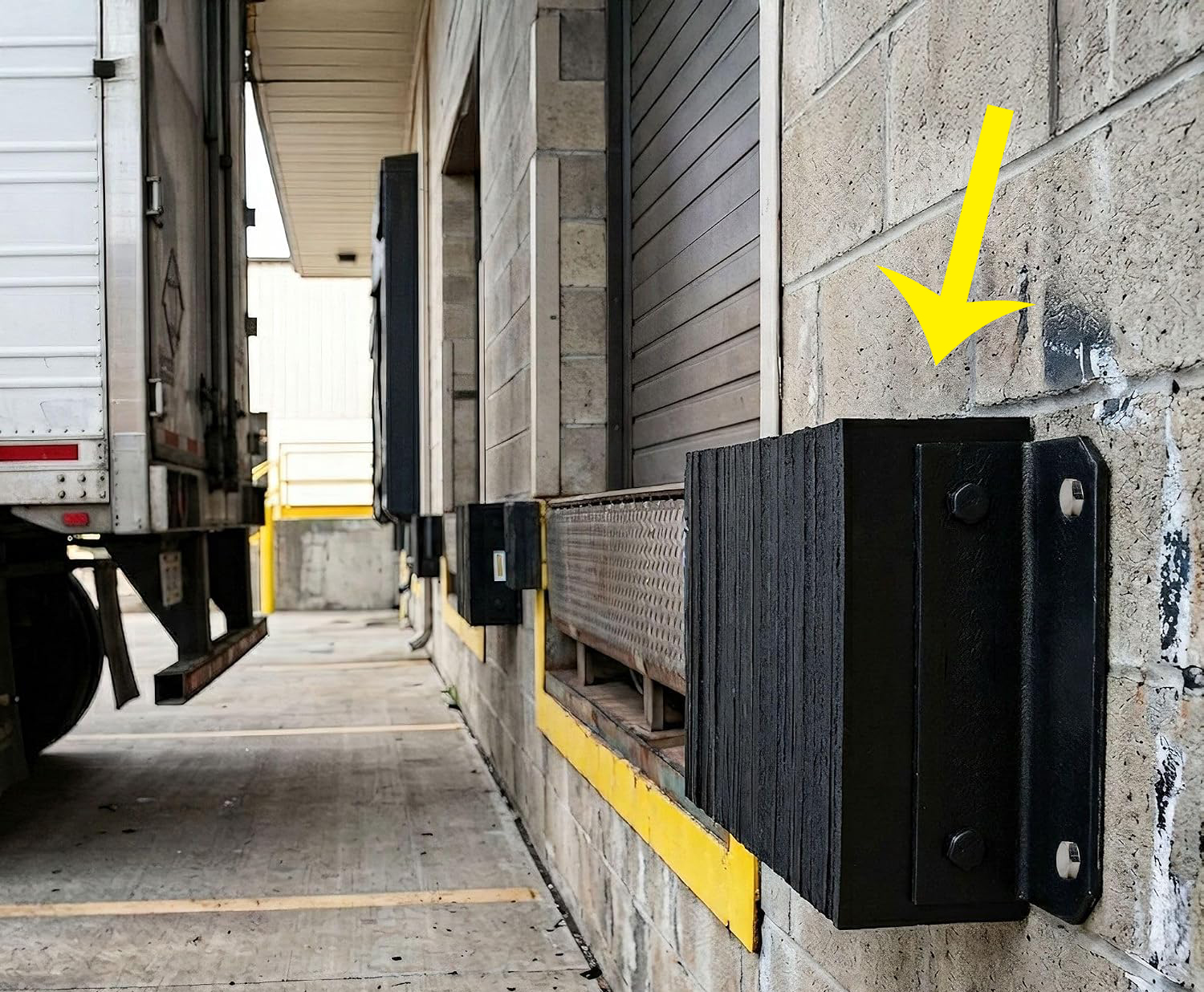 Rubber Laminated Loading Dock Bumper with Steel Angle: 5 Field Failure Signs That Point Back to the RFQ
 Bridge Bearing Pad Field Failure: 5 Visual Signs Before It Retires (And What Caused It)
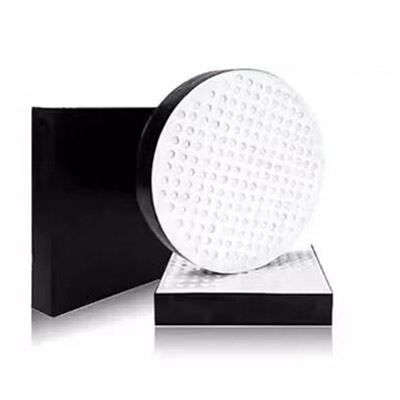 Bridge Bearing Pad RFQ Checklist: 9 Lines That Stop Suppliers From Subbing the Rubber