
In the vast and intricate domain of aerospace engineering, every component plays a critical role in ensuring the safety, efficiency, and reliability of aircraft. Among the myriad of parts that constitute an aerospace fuel system, rubber plugs might seem inconspicuous at first glance. However, their significance should not be underestimated. These unassuming components are integral to the smooth operation and maintenance of fuel systems, contributing to the overall performance and safety of aircraft. This article delves into the multifaceted role of rubber plugs in aerospace fuel systems, exploring their design, functions, materials, and the rigorous testing they undergo to meet the stringent standards of the aerospace industry.
Design and Construction of Rubber Plugs
Rubber plugs used in aerospace fuel systems are meticulously designed to fulfill specific purposes. They are typically small, cylindrical or conical devices made from high-quality elastomeric materials. The design process involves careful consideration of factors such as size, shape, material composition, and the specific conditions under which the plugs will operate. Engineers must ensure that the plugs can withstand extreme temperatures, pressures, and exposure to various fuels and chemicals without compromising their integrity.
The construction of rubber plugs often incorporates features that enhance their functionality. For instance, some plugs may have reinforced edges to prevent tearing or deformation, while others may have specialized coatings to improve compatibility with different fuel types. The precision in design is crucial, as even minor defects or inaccuracies can lead to leaks, which can have catastrophic consequences in an aerospace environment.
Functions of Rubber Plugs
Rubber plugs serve several vital functions in aerospace fuel systems. One of their primary roles is to provide a seal between different components of the fuel system. This sealing function is essential for preventing fuel leaks, which can not only result in the loss of precious fuel but also pose a significant safety hazard. By maintaining a tight seal, rubber plugs help ensure that the fuel system operates efficiently and reliably.
In addition to sealing, rubber plugs also act as valves or stoppers in certain parts of the fuel system. For example, they may be used to block off fuel lines during maintenance or to control the flow of fuel between different tanks. This versatility makes rubber plugs an indispensable component in the complex network of pipes, valves, and tanks that constitute an aerospace fuel system.
Furthermore, rubber plugs play a crucial role in protecting the fuel system from contamination. In an aerospace environment, even minute particles of dirt or debris can cause significant damage to fuel system components. By providing a barrier between the fuel and external elements, rubber plugs help maintain the cleanliness and integrity of the fuel system.
Materials Used in Rubber Plugs
The choice of material for rubber plugs in aerospace fuel systems is of paramount importance. The material must possess a combination of properties that enable it to withstand the harsh conditions of aerospace operations. These properties include high temperature resistance, chemical stability, mechanical strength, and durability.
Elastomers such as nitrile rubber (NBR), fluoroelastomers (FKM), and ethylene propylene diene monomer (EPDM) are commonly used in the manufacture of rubber plugs for aerospace fuel systems. Each material has its unique advantages and is selected based on the specific requirements of the application. For instance, NBR is known for its oil resistance and is suitable for use with petroleum-based fuels. FKM, on the other hand, offers excellent chemical resistance and can withstand exposure to a wide range of fuels and chemicals. EPDM is valued for its weather resistance and is often used in applications where the plug may be exposed to environmental factors.
The selection of the appropriate material is a critical step in the design process. Engineers must carefully evaluate the properties of different elastomers and choose the one that best meets the needs of the particular fuel system component. This decision-making process involves a thorough understanding of the operating conditions, fuel types, and regulatory requirements.
Testing and Quality Assurance
Rubber plugs for aerospace fuel systems undergo rigorous testing to ensure that they meet the high standards of the industry. Testing procedures are designed to validate the performance, reliability, and durability of the plugs under various conditions. These tests may include pressure tests, temperature cycle tests, chemical compatibility tests, and mechanical stress tests.
Pressure tests are conducted to verify that the plugs can withstand the internal pressures generated within the fuel system without leaking or failing. Temperature cycle tests assess the ability of the plugs to maintain their sealing properties over a range of temperatures, simulating the extreme conditions that they may encounter during flight. Chemical compatibility tests ensure that the plugs do not degrade or react adversely when exposed to different fuels and chemicals. Mechanical stress tests evaluate the plugs' resistance to tearing, deformation, and other forms of mechanical damage.
In addition to these standard tests, rubber plugs may also be subjected to specialized testing based on the specific requirements of the aerospace application. For example, plugs intended for use in high-altitude aircraft may undergo additional tests to assess their performance at low pressures and extreme cold.
Quality assurance is an integral part of the testing process. Manufacturers must adhere to strict quality control measures to ensure that every rubber plug meets the specified standards. This involves implementing robust production processes, conducting regular inspections, and maintaining detailed records of test results. By prioritizing quality assurance, manufacturers can provide aerospace customers with reliable and durable rubber plugs that meet the demanding requirements of the industry.
In conclusion, rubber plugs play a vital role in aerospace fuel systems, contributing to the safety, efficiency, and reliability of aircraft. These unassuming components are carefully designed, constructed, and tested to withstand the harsh conditions of aerospace operations. By providing a seal between fuel system components, acting as valves or stoppers, and protecting the system from contamination, rubber plugs help ensure the smooth operation and maintenance of fuel systems.
The choice of material for rubber plugs is critical, with elastomers such as nitrile rubber, fluoroelastomers, and ethylene propylene diene monomer being commonly used. These materials are selected based on their ability to withstand high temperatures, chemicals, mechanical stress, and other factors. Rigorous testing procedures and quality assurance measures are essential to validate the performance and reliability of rubber plugs, ensuring that they meet the stringent standards of the aerospace industry.
As the aerospace industry continues to evolve, the role of rubber plugs in fuel systems will remain indispensable. Engineers and manufacturers will continue to innovate and improve these components, striving for even higher levels of performance, reliability, and safety. Ultimately, the success of aerospace missions hinges on the seamless integration and operation of countless components, with rubber plugs playing a crucial yet often overlooked part in this complex puzzle.
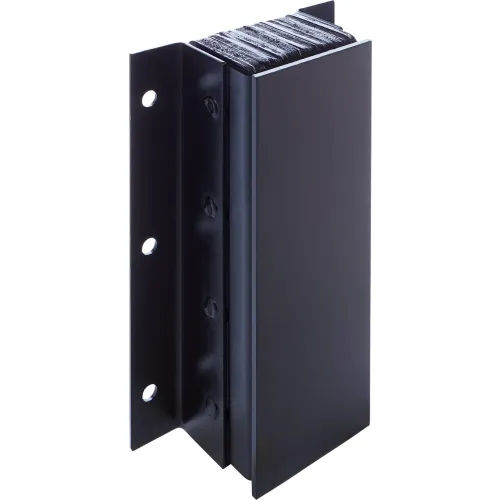 Steel-Faced Laminated Rubber Bumper: 5 Field Problems Buyers Keep Finding After Installation
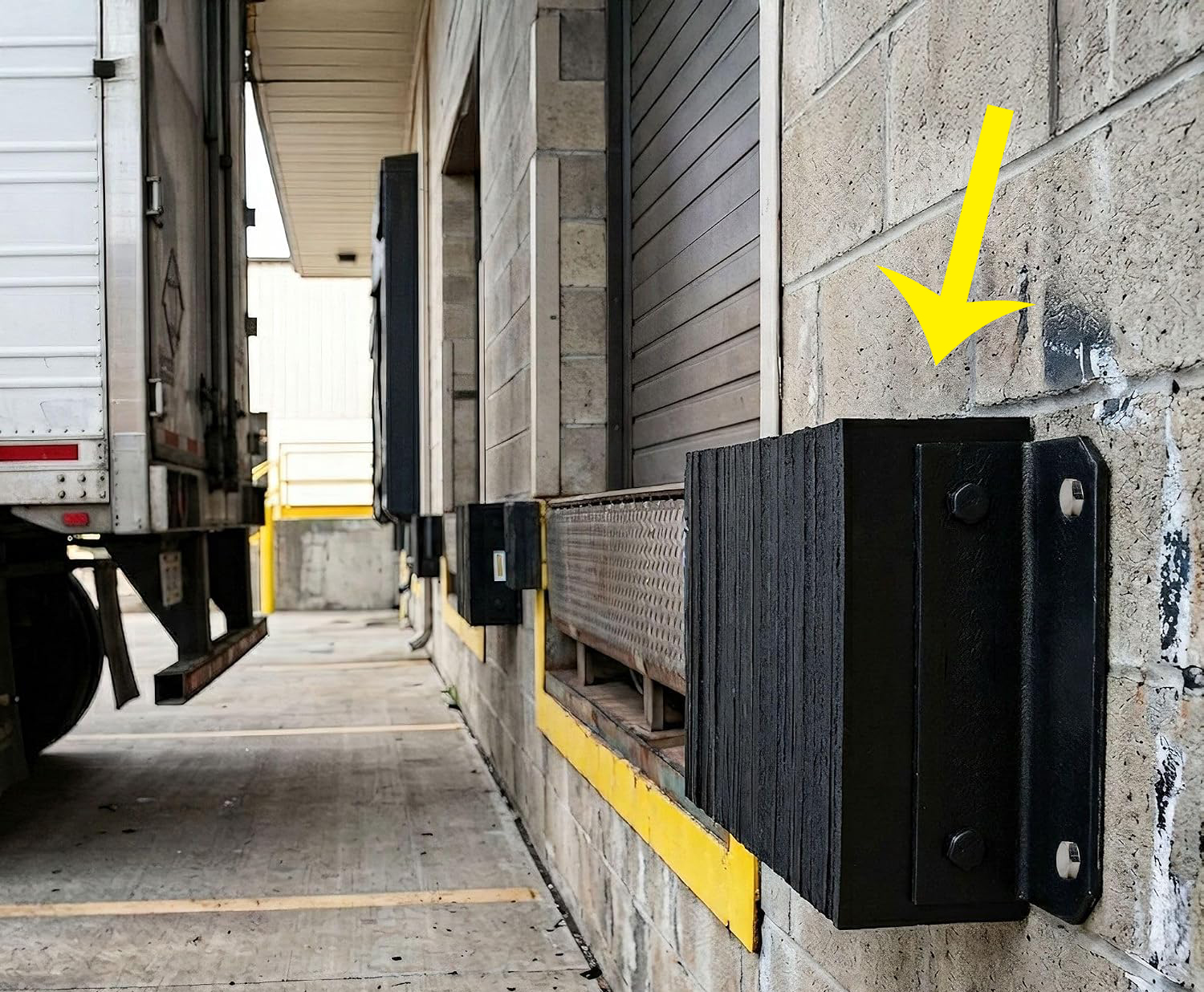 Rubber Laminated Loading Dock Bumper with Steel Angle: 5 Field Failure Signs That Point Back to the RFQ
 Bridge Bearing Pad Field Failure: 5 Visual Signs Before It Retires (And What Caused It)
 Bridge Bearing Pad RFQ Checklist: 9 Lines That Stop Suppliers From Subbing the Rubber