
In the realm of industrial safety, explosion-proof equipment plays a critical role in preventing catastrophic incidents in hazardous environments. These environments, often found in chemical plants, oil refineries, and other industrial settings, are prone to the presence of flammable gases, vapors, or dusts. One seemingly unassuming yet vital component in maintaining the integrity of explosion-proof equipment is the rubber plug. This article delves into the significance of rubber plugs in explosion-proof equipment, their various applications, selection criteria, installation procedures, maintenance practices, and troubleshooting tips.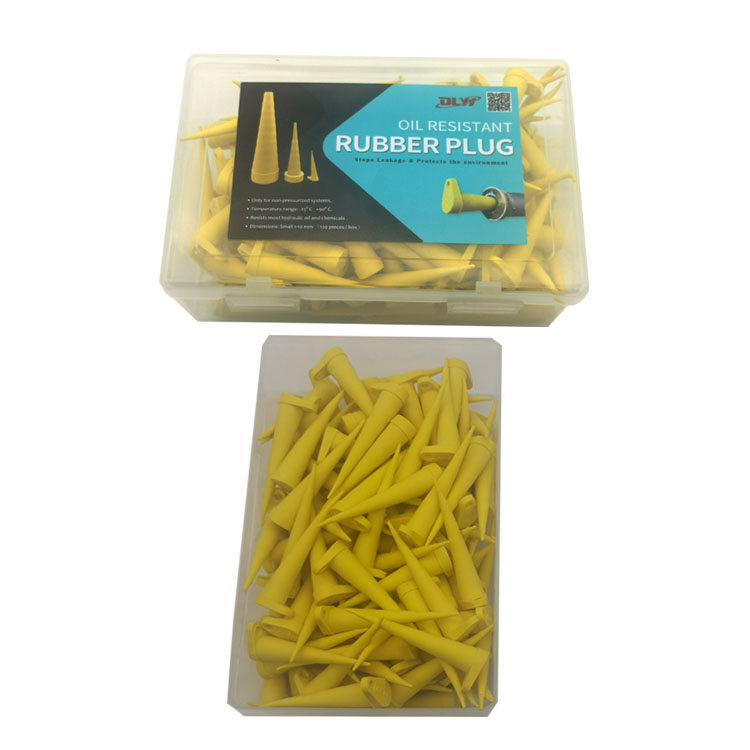
Understanding the Role of Rubber Plugs
Rubber plugs serve as essential sealing components in explosion-proof equipment. Their primary function is to provide a barrier that prevents the ingress of flammable substances into electrical enclosures or the egress of sparks and hot particles that could ignite surrounding atmospheres. This sealing capability is crucial for maintaining the explosion-proof integrity of the equipment, thereby safeguarding personnel, property, and the environment.
Applications of Rubber Plugs
Rubber plugs find application in a wide array of explosion-proof equipment, including but not limited to:
Explosion-Proof Junction Boxes: These boxes house electrical connections and terminals, and rubber plugs are used to seal cable entry points, ensuring that no flammable gases or vapors can enter the box and no sparks can escape.
Explosion-Proof Motors and Generators: In motors and generators operating in hazardous areas, rubber plugs are employed to seal openings where cables or shafts pass through the housing, preventing the ignition of flammable atmospheres.
Explosion-Proof Lighting Fixtures: Lighting fixtures designed for use in hazardous locations incorporate rubber plugs to seal around the wiring and mounting hardware, maintaining the fixture's explosion-proof rating.
Explosion-Proof Control Panels: Control panels in hazardous environments require rubber plugs to seal gaps around cables and connectors, ensuring that the panel remains explosion-proof.
Selection Criteria for Rubber Plugs
Choosing the right rubber plug for explosion-proof equipment involves considering several factors to ensure optimal performance and safety:
Material Compatibility: The rubber plug must be made from a material that is compatible with the substances present in the hazardous environment. It should resist degradation from chemicals, oils, and other contaminants.
Temperature Range: The rubber plug must be able to withstand the temperature extremes to which it will be exposed. This includes both the operating temperature of the equipment and any potential temperature fluctuations in the environment.
Durability and Longevity: The plug should be durable enough to withstand the mechanical stresses it will encounter, such as vibration and pressure changes, without compromising its sealing properties.
Explosion-Proof Rating: The rubber plug must meet the explosion-proof standards and certifications relevant to the specific hazardous area where the equipment will be used. This ensures that the plug contributes to the overall explosion-proof integrity of the equipment.
Size and Fit: The rubber plug must fit securely and tightly into the opening it is intended to seal. Proper sizing is crucial to prevent leaks and maintain the explosion-proof barrier.
Installation Procedures
Installing rubber plugs in explosion-proof equipment requires careful attention to detail to ensure a proper seal:
Preparation: Clean the surface where the rubber plug will be installed, removing any dirt, grease, or debris that could interfere with the seal.
Inspection: Inspect the rubber plug for any defects or damage before installation. Ensure that it matches the specifications and requirements of the equipment.
Insertion: Carefully insert the rubber plug into the opening, ensuring that it fits snugly and securely. Use appropriate tools if necessary to avoid damaging the plug or the equipment.
Securing: If the rubber plug requires additional securing, such as with clamps or screws, follow the manufacturer's instructions to ensure a tight and secure fit.
Testing: After installation, test the seal by applying a pressure test or using other methods specified by the equipment manufacturer to verify that the rubber plug is effectively sealing the opening.
Maintenance Practices
Regular maintenance of rubber plugs is essential to ensure their continued effectiveness in explosion-proof equipment:
Inspection: Periodically inspect the rubber plugs for signs of wear, tear, or degradation. Replace any plugs that show signs of damage or deterioration.
Cleaning: Clean the rubber plugs and the surrounding area regularly to remove any dirt, grease, or debris that could compromise the seal.
Lubrication: If the rubber plugs require lubrication to facilitate movement or prevent sticking, use a lubricant recommended by the equipment manufacturer.
Replacement: Follow the manufacturer's guidelines for the replacement interval of rubber plugs. Even if a plug appears to be in good condition, it may need to be replaced due to aging or exposure to harsh conditions.
Troubleshooting Tips
Despite the best efforts in installation and maintenance, issues with rubber plugs can arise. Here are some troubleshooting tips:
Leaks: If a leak is detected, inspect the rubber plug and the surrounding area for damage or improper installation. Replace the plug if necessary, or re-install it correctly.
Difficulty in Insertion or Removal: If the rubber plug is difficult to insert or remove, check for any obstructions or misalignments. Lubricate the plug if recommended by the manufacturer.
Degradation: If the rubber plug shows signs of degradation, such as cracking, hardening, or softening, it should be replaced immediately to maintain the explosion-proof integrity of the equipment.
Non-Compliance: If there is any doubt about the compliance of the rubber plug with explosion-proof standards, consult the equipment manufacturer or a qualified expert to ensure that the correct plug is being used.
In conclusion, rubber plugs play a crucial role in maintaining the explosion-proof integrity of equipment in hazardous environments. By carefully selecting, installing, and maintaining these plugs, industrial facilities can significantly reduce the risk of explosions and ensure the safety of personnel, property, and the environment. Regular inspections, proper installation techniques, and adherence to manufacturer guidelines are essential to the effective use of rubber plugs in explosion-proof equipment.
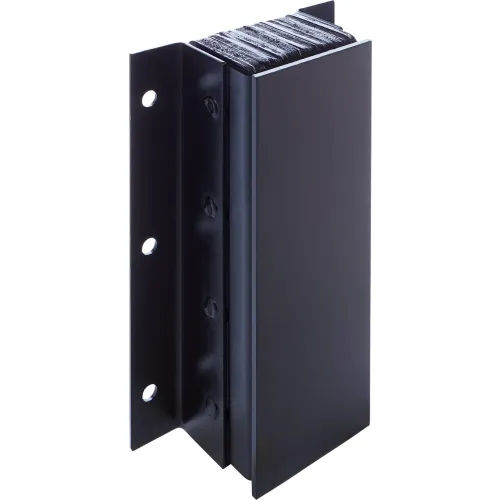 Steel-Faced Laminated Rubber Bumper: 5 Field Problems Buyers Keep Finding After Installation
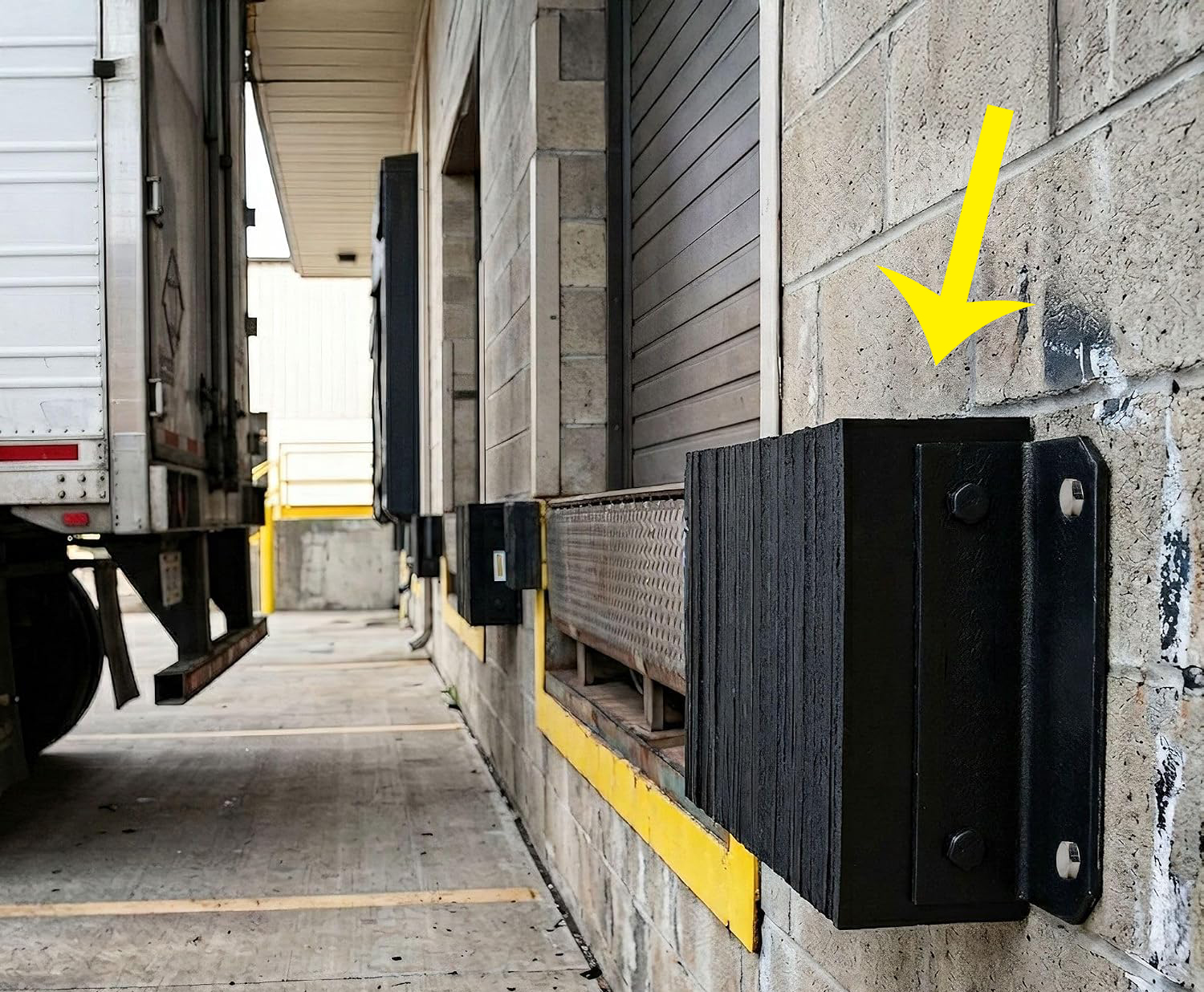 Rubber Laminated Loading Dock Bumper with Steel Angle: 5 Field Failure Signs That Point Back to the RFQ
 Bridge Bearing Pad Field Failure: 5 Visual Signs Before It Retires (And What Caused It)
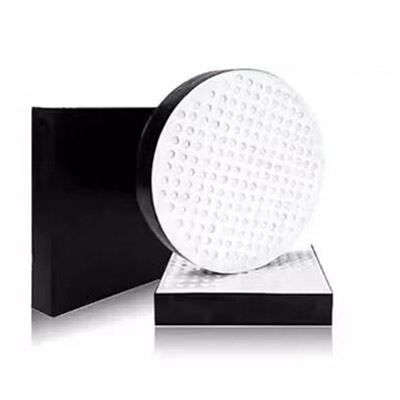 Bridge Bearing Pad RFQ Checklist: 9 Lines That Stop Suppliers From Subbing the Rubber