
Rubber plugs, as essential components in various industrial and mechanical applications, often find themselves subjected to harsh environments that can significantly impact their performance and lifespan. Whether they are used to seal pipelines, protect electrical connections, or serve as gaskets in heavy machinery, rubber plugs must withstand extreme temperatures, chemical exposure, mechanical stress, and other challenging conditions. Enhancing their durability in such environments is crucial to ensuring the reliability and efficiency of the systems they are a part of. This article explores several strategies to bolster the durability of rubber plugs in harsh environments.
1. Material Selection: The Foundation of Durability
The choice of rubber material is the cornerstone of enhancing durability. Different rubber compounds exhibit varying levels of resistance to heat, chemicals, and mechanical wear. For instance, nitrile rubber (NBR) is known for its oil and fuel resistance, making it suitable for automotive and aerospace applications where exposure to these substances is common. On the other hand, ethylene propylene diene monomer (EPDM) rubber offers excellent weather resistance and can withstand a wide range of temperatures, making it ideal for outdoor applications.
To enhance durability, one must carefully select a rubber compound that matches the specific environmental challenges the plug will face. Specialty rubbers, such as fluoroelastomers (FKM), are highly resistant to both high temperatures and aggressive chemicals, making them suitable for use in industrial settings where acids, bases, and solvents are present. By choosing the right material, manufacturers can significantly extend the lifespan of rubber plugs in harsh environments.
2. Design Optimization: Form Follows Function
The design of a rubber plug plays a critical role in its durability. A well-designed plug not only fits perfectly into its intended application but also distributes stress evenly, reducing the risk of failure. Design optimization involves several key considerations:
Shape and Size: The shape and size of the plug should be tailored to the specific application. A tight fit ensures effective sealing, while an overly tight fit can cause excessive stress and加速 wear.
Thickness and Durometer: The thickness of the rubber and its durometer (hardness) must be balanced. Thicker plugs may offer more durability but can also be less flexible. A higher durometer provides better resistance to wear and tear but may compromise on sealing capabilities.
Stress Concentration Points: Designers should avoid sharp corners and abrupt changes in thickness, as these can create stress concentration points that lead to premature failure. Smooth transitions and rounded edges help distribute stress more evenly.
By carefully considering these design elements, engineers can create rubber plugs that are better suited to withstand the rigors of harsh environments.
3. Surface Treatments: Enhancing Resistance
Surface treatments can further enhance the durability of rubber plugs. These treatments can provide an additional layer of protection against environmental factors such as abrasion, chemicals, and UV radiation. Some common surface treatments include:
Coatings: Applying a protective coating to the rubber surface can significantly improve its resistance to wear and chemicals. Coatings can be tailored to provide specific properties, such as anti-slip, corrosion resistance, or UV stability.
Plasma Treatment: Plasma treatment modifies the surface properties of rubber, making it more receptive to adhesives or coatings. This can improve the bond strength between the rubber plug and any mating components, enhancing overall durability.
Texturing: Adding texture to the surface of the plug can improve its grip and resistance to abrasion. This is particularly useful in applications where the plug is subject to constant friction or movement.
Surface treatments are a cost-effective way to enhance the durability of rubber plugs without altering their basic design or material composition.
4. Manufacturing Processes: Quality Control and Consistency
The manufacturing process itself can have a significant impact on the durability of rubber plugs. Ensuring high-quality control standards and consistency in production is essential. Some key aspects to consider include:
Mold Design and Maintenance: The mold used to produce the rubber plugs must be designed with precision and maintained regularly. A well-designed mold ensures accurate dimensions and smooth surfaces, while proper maintenance prevents defects such as flash or burrs.
Curing Process: The curing process, which involves heating the rubber to vulcanize it, must be carefully controlled. Inadequate curing can result in a weak and brittle plug, while overcuring can cause the rubber to become hard and less flexible.
Quality Inspection: Each rubber plug should undergo rigorous quality inspection to ensure it meets the specified durability requirements. This includes visual inspections, dimensional checks, and, if necessary, performance testing under simulated harsh conditions.
By adhering to strict manufacturing processes, manufacturers can produce rubber plugs that consistently exhibit high durability in harsh environments.
5. Environmental Considerations: Preventive Measures
Finally, considering the specific environmental factors that the rubber plugs will be exposed to can help in implementing preventive measures. For example:
Temperature Control: In applications where extreme temperatures are a concern, measures such as insulation or heat shielding can be employed to protect the rubber plugs.
Chemical Exposure Management: Where exposure to chemicals is不可避免, using chemical-resistant materials and regularly inspecting for signs of degradation can help prolong the lifespan of the plugs.
Mechanical Protection: In applications where the plugs are subject to physical abuse, such as impact or vibration, adding protective coverings or using rubber compounds with higher tear strength can provide additional durability.
By taking a proactive approach to environmental challenges, manufacturers can further enhance the durability of rubber plugs in harsh environments.
In conclusion, enhancing the durability of rubber plugs in harsh environments requires a multifaceted approach. From careful material selection and design optimization to surface treatments and rigorous manufacturing processes, each aspect plays a crucial role. By considering the specific challenges that the plugs will face and implementing targeted strategies, manufacturers can produce rubber plugs that withstand the test of time, ensuring the reliability and efficiency of the systems they are a part of.
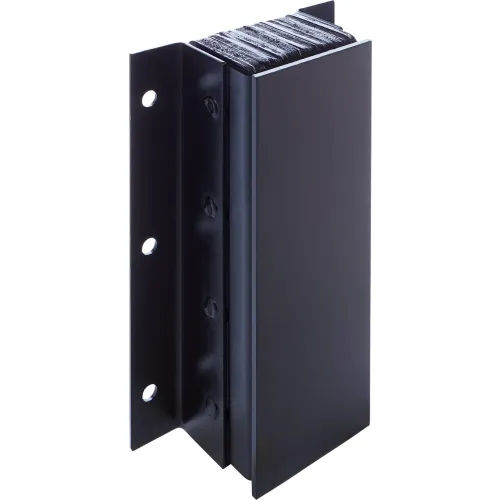 Steel-Faced Laminated Rubber Bumper: 5 Field Problems Buyers Keep Finding After Installation
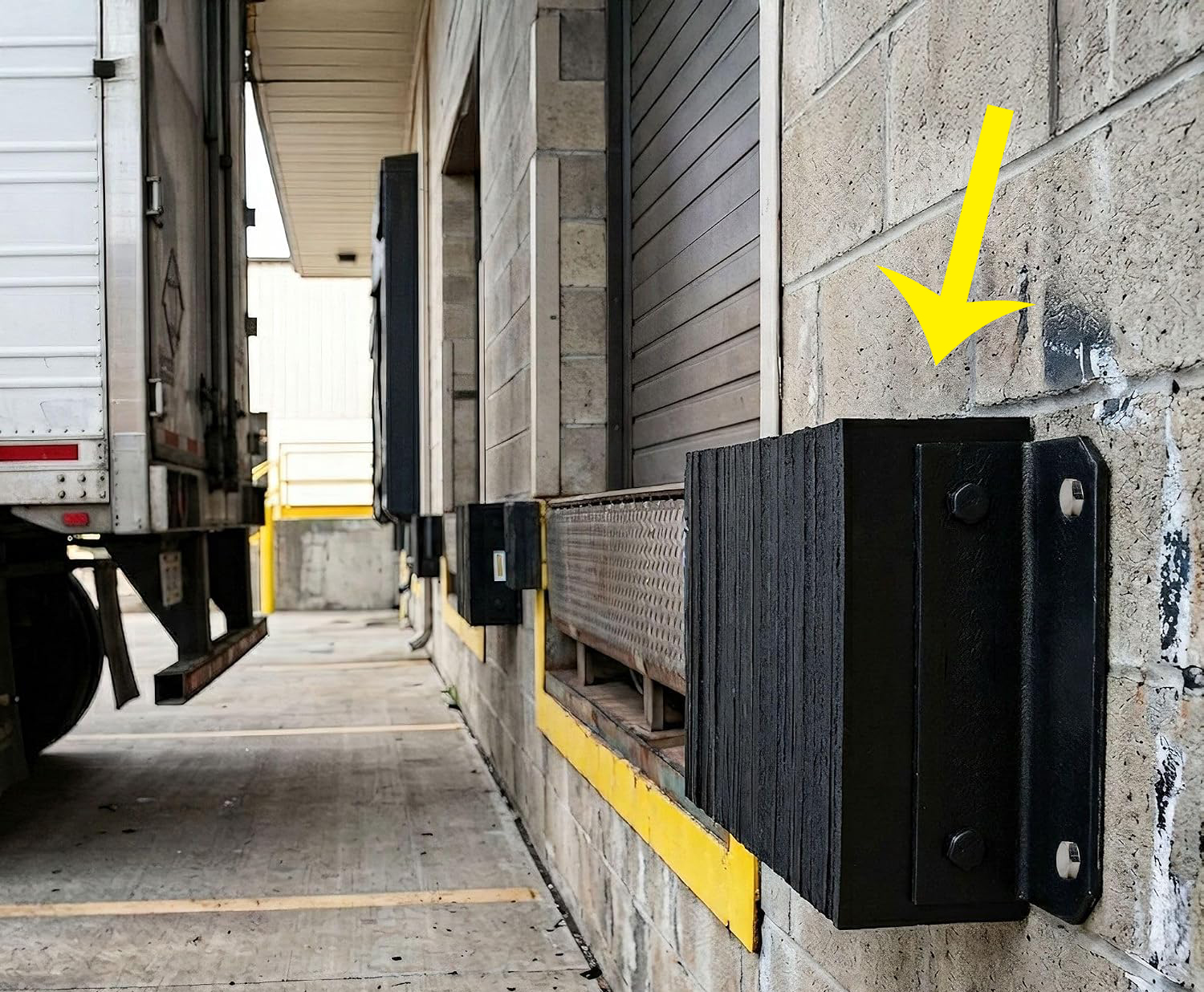 Rubber Laminated Loading Dock Bumper with Steel Angle: 5 Field Failure Signs That Point Back to the RFQ
 Bridge Bearing Pad Field Failure: 5 Visual Signs Before It Retires (And What Caused It)
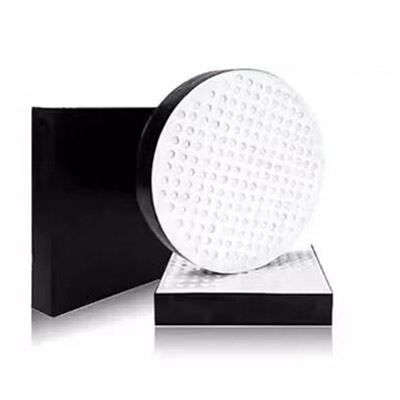 Bridge Bearing Pad RFQ Checklist: 9 Lines That Stop Suppliers From Subbing the Rubber