
In industries ranging from automotive manufacturing to household appliance production, the humble rubber plug plays a critical role in sealing, protecting, and maintaining the integrity of systems. While traditional materials like natural rubber or low-grade synthetic rubbers have been standard for decades, silicone-based alternatives are rapidly gaining traction. This shift isn’t accidental—silicone rubber plugs offer a suite of advantages that address modern challenges, from extreme temperatures to stringent hygiene standards. Let’s explore why professionals across the U.S. are making the switch.
Unmatched Durability in Extreme Conditions
Traditional rubber plugs often degrade when exposed to harsh environments. Natural rubber, for instance, can become brittle in freezing temperatures or melt under prolonged heat. Similarly, some synthetic rubbers lose elasticity when subjected to chemical exposure. Silicone rubber plugs, however, are engineered to thrive in extremes.
Silicone’s molecular structure allows it to remain flexible at temperatures as low as -58°F (-50°C) and stable up to 482°F (250°C). This makes them ideal for applications like automotive engine compartments, where plugs must withstand both winter cold starts and summer heatwaves. Additionally, silicone resists UV radiation, ozone, and weathering, ensuring longevity even in outdoor settings. For industries relying on consistent performance, this durability translates to fewer replacements and lower long-term costs.
Chemical Resistance That Protects Investments
Many traditional rubber plugs falter when exposed to oils, fuels, or solvents. Natural rubber, for example, swells and weakens when in contact with petroleum-based products, compromising seals and leading to leaks. Even some synthetic rubbers struggle with aggressive chemicals, limiting their use in industrial or automotive settings.
Silicone rubber plugs excel here due to their inert chemical properties. They resist degradation from acids, bases, and hydrocarbons, making them suitable for sealing fuel tanks, hydraulic systems, or chemical storage containers. This resistance not only prevents leaks but also avoids contamination—a critical factor in industries like pharmaceuticals or food processing, where even trace chemical interactions could compromise safety.
Hygiene and Safety: A Cleaner Alternative
In environments where cleanliness is non-negotiable, silicone rubber plugs offer distinct advantages. Traditional rubber materials can harbor bacteria, mold, or allergens, especially in porous or textured surfaces. This poses risks in medical, laboratory, or food-service applications, where contamination could lead to regulatory violations or health hazards.
Silicone, by contrast, is non-porous and hypoallergenic. Its smooth surface resists bacterial growth and can be sterilized through methods like autoclaving, boiling, or chemical disinfection without degrading. This makes silicone plugs the go-to choice for sealing medical devices, laboratory equipment, or commercial kitchen appliances. For businesses prioritizing safety and compliance, the hygienic properties of silicone reduce liability and uphold standards.
Flexibility Without Compromise
A common frustration with traditional rubber plugs is their limited flexibility. Over time, repeated insertion and removal can cause cracking or permanent deformation, especially in colder temperatures. This rigidity complicates installations in tight spaces or irregular holes, increasing labor time and error rates.
Silicone rubber plugs address this with their exceptional elasticity. They can stretch significantly without tearing and snap back to their original shape, accommodating variations in hole sizes or misalignments. This flexibility also simplifies installation—workers don’t need to force plugs into place, reducing the risk of damage to both the plug and the surrounding material. For industries like electronics or aerospace, where precision is paramount, this adaptability ensures reliable seals without compromising fit.
Environmental Sustainability: A Forward-Thinking Choice
As sustainability becomes a core business value, material selection matters. Traditional rubber production often involves petroleum-based chemicals and energy-intensive processes, contributing to carbon footprints. Additionally, many conventional rubbers aren’t biodegradable, leading to long-term environmental waste.
Silicone rubber plugs offer a greener profile. While silicone is synthetic, its durability reduces the need for frequent replacements, cutting down on resource consumption. Some formulations also incorporate recycled materials or bio-based additives, further minimizing environmental impact. For companies aiming to meet eco-conscious consumer demands or corporate sustainability goals, silicone plugs align with broader environmental strategies.
Cost Efficiency Through Longevity
At first glance, silicone rubber plugs may appear pricier than traditional alternatives. However, this initial cost is offset by their extended lifespan. Traditional plugs often require replacement every few years—or sooner, if exposed to harsh conditions—leading to recurring expenses in labor, inventory, and downtime.
Silicone plugs, with their resistance to wear, chemicals, and temperature extremes, can last decades in many applications. This longevity reduces maintenance costs and minimizes production interruptions. For example, a manufacturing plant using silicone plugs in its machinery might avoid costly shutdowns caused by seal failures, preserving operational efficiency. Over time, the total cost of ownership for silicone plugs proves lower than that of traditional options.
Versatility Across Industries
The adaptability of silicone rubber plugs makes them indispensable across diverse sectors. In automotive manufacturing, they seal engine components, transmission systems, and fuel lines. In construction, they prevent water ingress in concrete forms or plumbing fixtures. Electronics rely on them to shield sensitive components from dust and moisture, while the food industry uses them to maintain hygienic seals in processing equipment.
This versatility stems from silicone’s customizable properties. Manufacturers can adjust formulations to prioritize hardness, flexibility, or chemical resistance, tailoring plugs to specific needs. Whether a business requires FDA-compliant materials for food contact or flame-retardant properties for aerospace, silicone offers solutions that traditional rubbers cannot.
Conclusion: Why the Future Favors Silicone
The shift toward silicone rubber plugs isn’t merely a trend—it’s a response to evolving industrial demands. From extreme weather resilience to hygiene compliance, silicone addresses the limitations of traditional materials while offering long-term economic and environmental benefits. For U.S. businesses seeking reliability, efficiency, and sustainability, the choice is clear: silicone rubber plugs provide a seal of quality that stands the test of time.
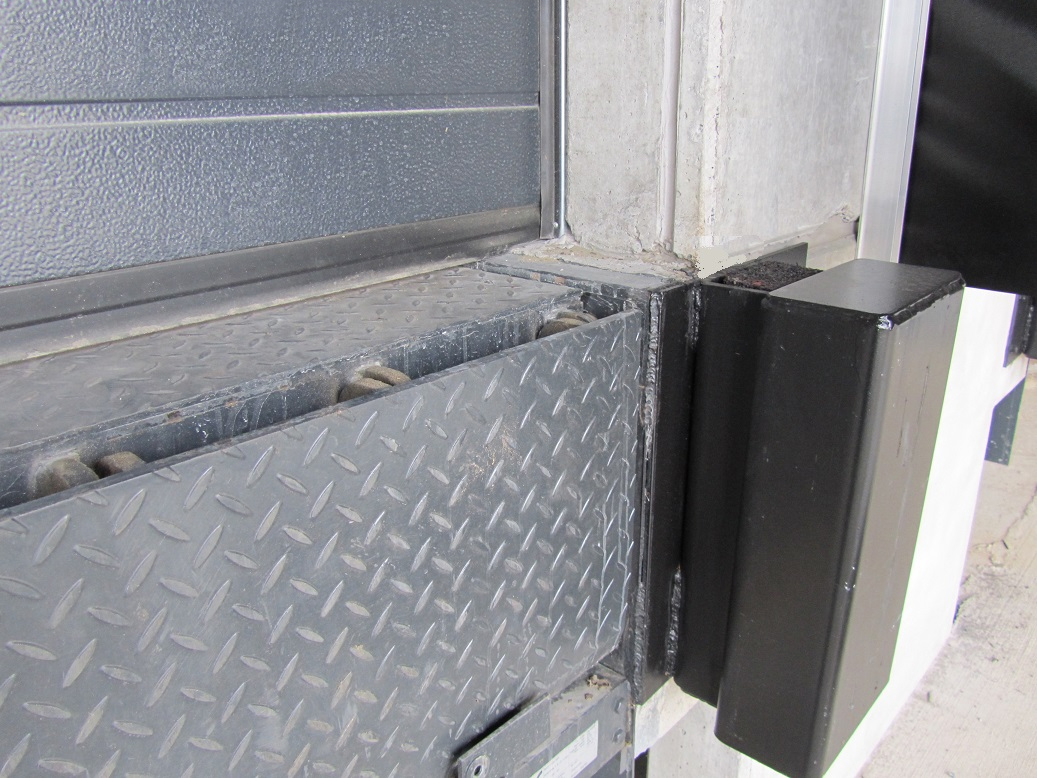 What Happens When a Forklift Strikes a Steel-faced Laminated Rubber Bumper at Full Speed? Test Results Inside
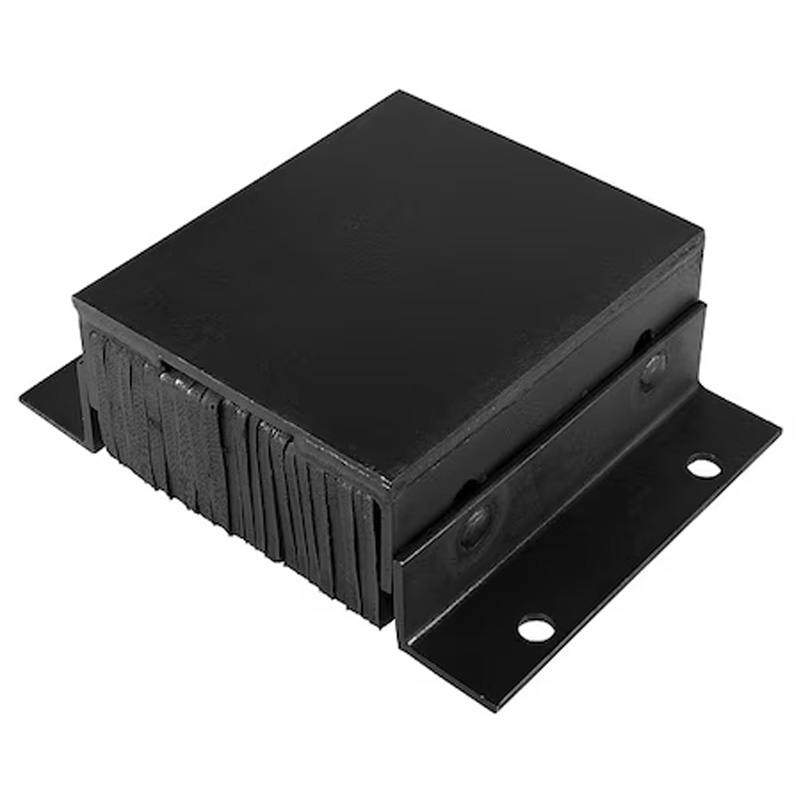 Can a Steel-faced Laminated Rubber Bumper Survive 10,000 Impacts Without Failure? Here Is the Evidence
 Is Your Loading Dock Prematurely Failing? What Proof Backs a Steel-faced Laminated Rubber Bumper?
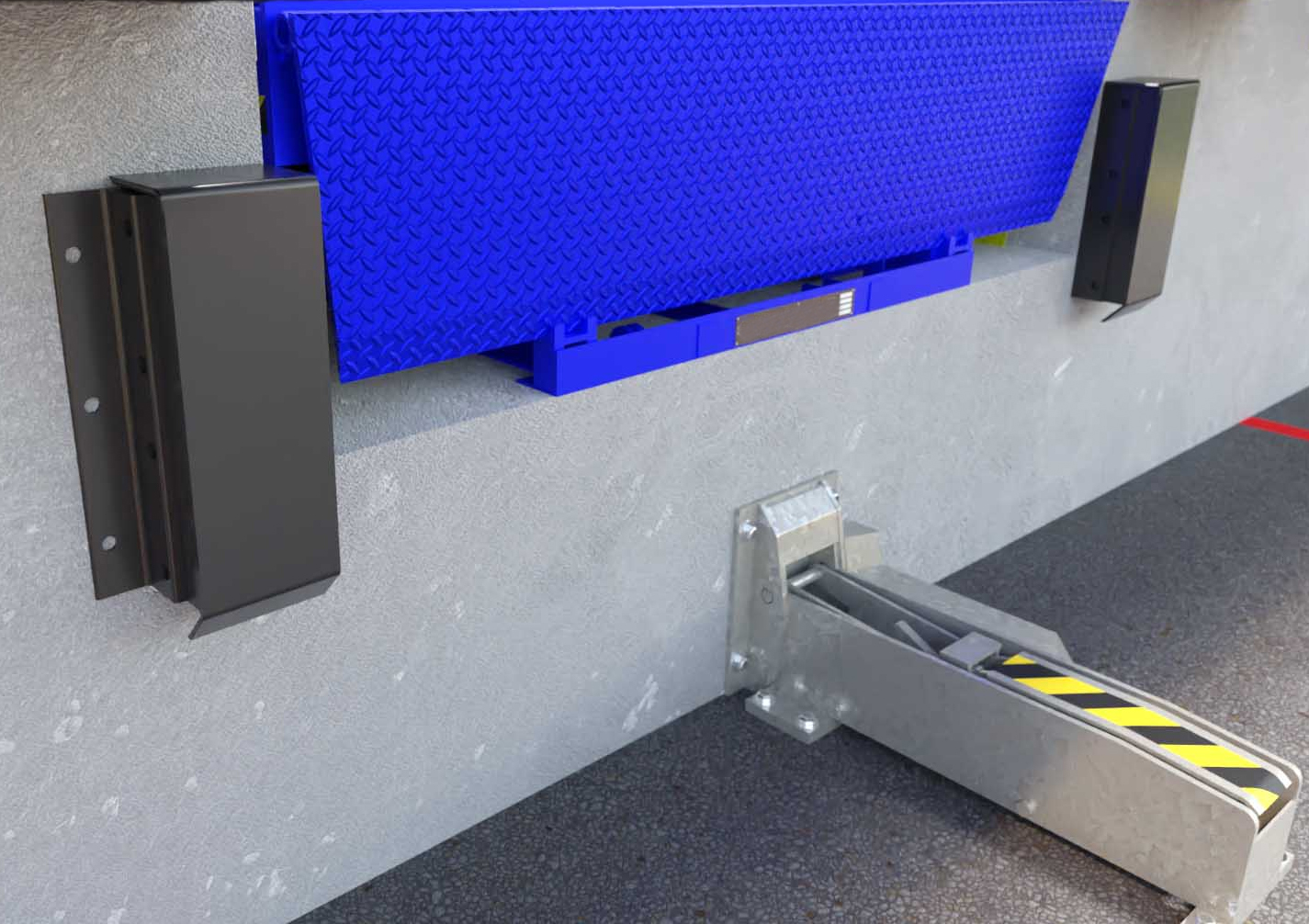 Why Do Air-Ride Trailers Destroy Standard Bumpers? Should You Specify a Steel-faced Laminated Rubber Bumper Instead?