
Nuclear power plants represent one of the most technologically advanced and safety-critical industries in the world. Every component, no matter how small, plays a vital role in ensuring operational efficiency, safety, and environmental protection. Among these components, rubber plugs emerge as unsung heroes—compact, versatile, and indispensable in maintaining the integrity of critical systems. This article explores the diverse applications of rubber plugs in nuclear facilities, highlighting their importance in sealing, protection, and operational reliability.
Sealing Critical Systems for Safety
In nuclear plants, maintaining airtight and watertight seals is non-negotiable. Rubber plugs are engineered to fit into pipes, valves, and instrumentation ports, preventing leaks of radioactive materials, coolant fluids, or gases. Their flexible yet durable composition allows them to conform to irregular surfaces, creating a barrier against contamination. For example, during routine maintenance or emergencies, these plugs can isolate sections of piping systems, ensuring no hazardous substances escape into the environment. Their resistance to extreme temperatures and radiation further solidifies their role as a first line of defense in safety protocols.
Protecting Instrumentation and Sensors
Nuclear reactors rely on a vast network of sensors and gauges to monitor parameters like temperature, pressure, and radiation levels. Rubber plugs shield these delicate instruments from environmental factors such as moisture, dust, and mechanical damage. By acting as protective caps, they extend the lifespan of equipment and reduce downtime. In some cases, plugs are designed with specialized materials to block electromagnetic interference, ensuring accurate data transmission. This level of protection is critical, as faulty readings could lead to operational errors with catastrophic consequences.
Facilitating Maintenance and Inspections
Routine maintenance in nuclear plants demands precision and efficiency. Rubber plugs simplify this process by providing temporary seals during equipment disassembly. For instance, when technicians need to inspect a reactor vessel or replace a component, plugs can block open ports to prevent debris or coolant from spilling. Their lightweight and ergonomic designs allow for quick installation and removal, minimizing exposure time for workers. Additionally, some plugs are color-coded or labeled to streamline inventory management, reducing human error during high-stakes operations.
Withstanding Extreme Environmental Conditions
The environment inside a nuclear plant is harsh, with temperatures ranging from sub-zero (in storage areas) to several hundred degrees Fahrenheit (near reactors). Radiation levels also vary significantly. Rubber plugs are manufactured using materials specifically chosen for their resistance to heat, chemicals, and ionizing radiation. Silicone-based compounds, for example, retain elasticity even after prolonged exposure to high temperatures, while fluorocarbon rubbers resist degradation from reactive chemicals. This durability ensures that plugs maintain their sealing properties over decades of use, a critical factor in nuclear plants’ long operational lifespans.
Supporting Waste Management and Storage
Nuclear waste disposal requires meticulous containment to prevent environmental contamination. Rubber plugs play a role in sealing storage containers, transport casks, and disposal wells. Their ability to create hermetic seals prevents the leakage of radioactive isotopes into soil or groundwater. In some designs, plugs incorporate self-locking mechanisms to ensure they remain secure during transportation or long-term storage. The materials used are often certified to meet stringent regulatory standards, providing assurance that waste remains isolated from ecosystems.
Enhancing Emergency Response Systems
In the event of a malfunction or accident, nuclear plants must activate emergency protocols swiftly. Rubber plugs are pre-positioned in strategic locations to rapidly seal off affected areas. For example, during a loss-of-coolant accident, plugs can be deployed to block broken pipes, buying critical time for engineers to implement countermeasures. Their compatibility with automated systems allows for remote activation, reducing the need for personnel to enter hazardous zones. This capability is a cornerstone of modern nuclear safety design, aligning with the industry’s “defense-in-depth” philosophy.
Adapting to Evolving Regulatory Standards
The nuclear industry is subject to rigorous regulations that evolve with technological advancements. Rubber plugs must comply with standards set by agencies like the U.S. Nuclear Regulatory Commission (NRC), which mandate rigorous testing for materials, design, and performance. Manufacturers continuously innovate to meet these requirements, developing plugs with enhanced fire resistance, lower permeability, and longer service lives. Collaboration between engineers and regulators ensures that these components not only meet current needs but also anticipate future challenges, such as climate change impacts or aging infrastructure.
Conclusion: Small Components, Big Impact
While rubber plugs may seem like minor parts of a nuclear plant’s infrastructure, their applications are far-reaching and essential. From safeguarding against leaks to enabling emergency responses, these components exemplify how precision engineering can address complex challenges. As nuclear energy remains a critical part of the global energy mix, the role of rubber plugs will only grow in importance. Their versatility, reliability, and adaptability make them indispensable allies in the quest for safe, sustainable power generation.
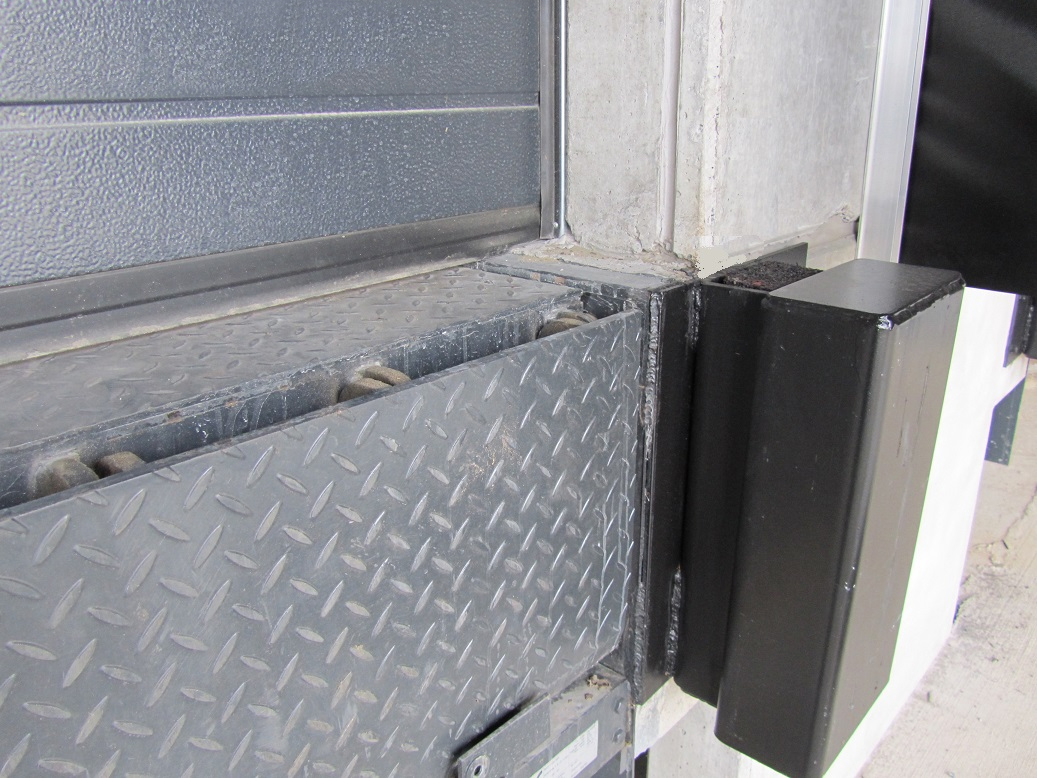 What Happens When a Forklift Strikes a Steel-faced Laminated Rubber Bumper at Full Speed? Test Results Inside
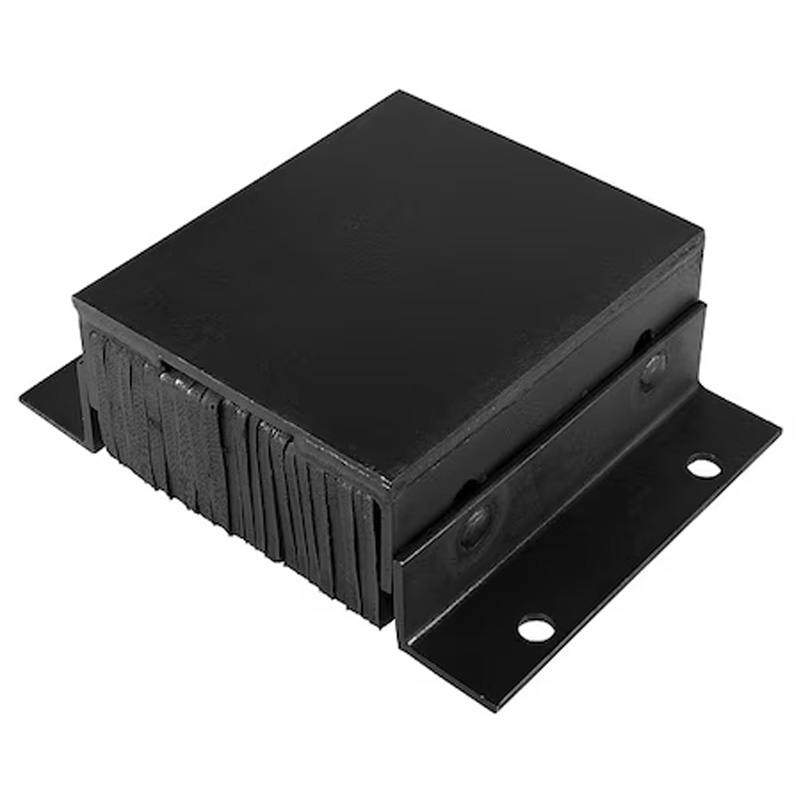 Can a Steel-faced Laminated Rubber Bumper Survive 10,000 Impacts Without Failure? Here Is the Evidence
 Is Your Loading Dock Prematurely Failing? What Proof Backs a Steel-faced Laminated Rubber Bumper?
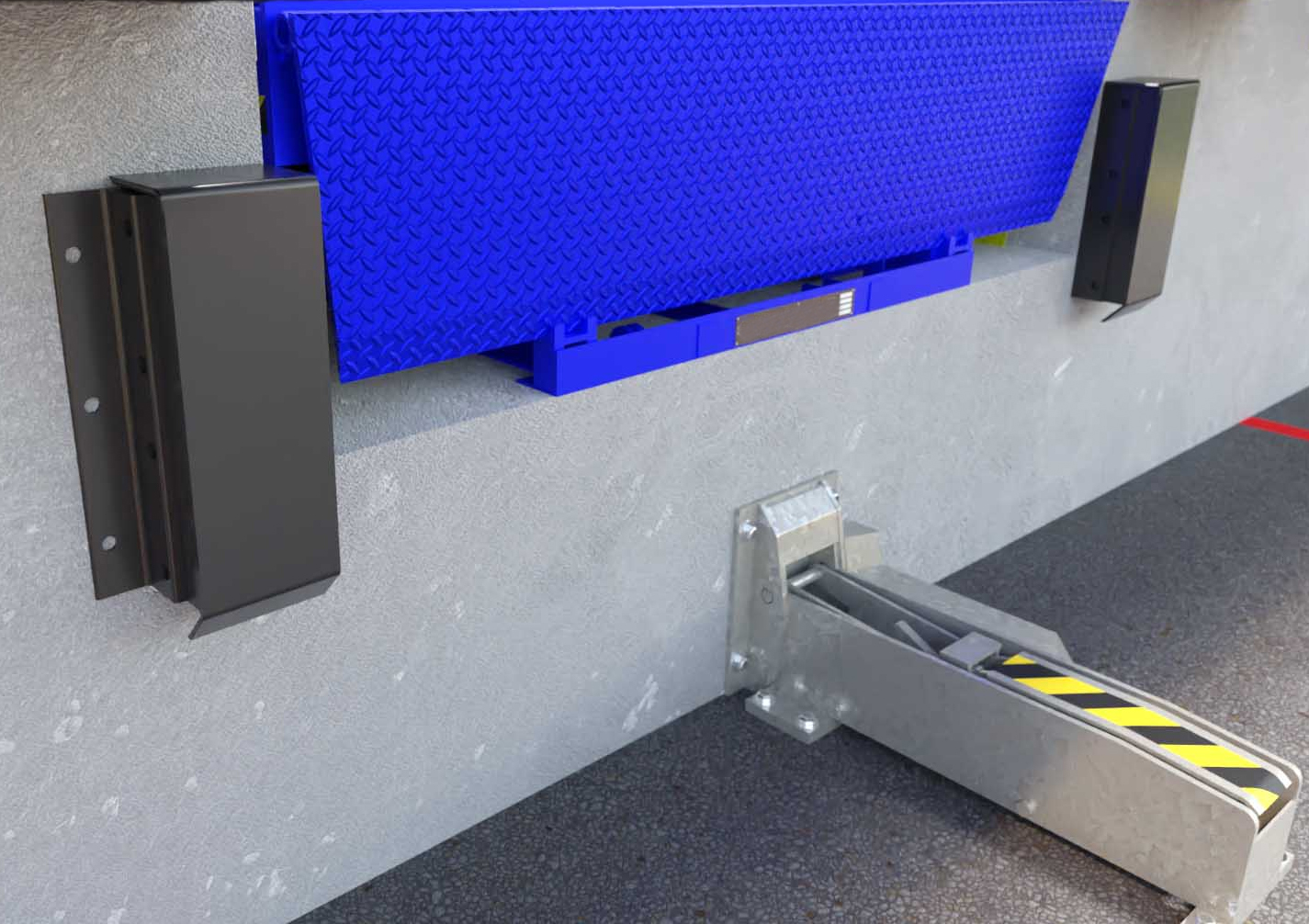 Why Do Air-Ride Trailers Destroy Standard Bumpers? Should You Specify a Steel-faced Laminated Rubber Bumper Instead?