
In the fast-paced world of electronics, every component plays a critical role in ensuring devices function reliably and safely. Among these unsung heroes are rubber plugs—compact, versatile tools designed to seal, protect, and enhance electronic systems. While often overlooked, these simple yet effective components are indispensable across industries, from consumer gadgets to industrial machinery. This article explores the diverse applications of rubber plgs in electronics, highlighting their role in safeguarding circuits, improving durability, and enabling innovation.
Sealing Out Contaminants for Longevity
Electronic devices are constantly exposed to environmental threats like dust, moisture, and debris. Rubber plugs act as a first line of defense by creating airtight seals around ports, connectors, and openings. For example, in smartphones and tablets, these plugs shield charging ports and headphone jacks from water damage, extending the device’s lifespan. Similarly, in outdoor equipment like security cameras or weather stations, rubber plugs prevent corrosion caused by rain or humidity, ensuring consistent performance even in harsh conditions. Their flexibility allows them to conform to irregular shapes, providing a secure fit that rigid materials cannot match.
Vibration Dampening for Stable Performance
Electronics housed in vehicles, drones, or heavy machinery face constant vibrations that can loosen connections or damage delicate components. Rubber plugs, with their shock-absorbing properties, help mitigate these effects by acting as cushions between moving parts. In automotive systems, they stabilize battery terminals or sensor connectors, reducing wear and tear. For industrial robots, rubber plugs secure wiring harnesses, preventing disconnections during high-speed operations. By absorbing vibrations, these plugs maintain signal integrity and prevent costly downtime, making them essential in high-stakes environments.
Insulating Electrical Connections for Safety
Safety is paramount in electronics, and rubber plugs play a vital role in electrical insulation. They prevent accidental contact between conductive parts, reducing the risk of short circuits or electric shocks. For instance, in power tools or kitchen appliances, rubber plugs cover unused outlets or exposed wires, ensuring users handle devices safely. In medical equipment like defibrillators or diagnostic machines, these plugs isolate sensitive circuits from external interference, maintaining accuracy during critical procedures. Their non-conductive nature makes them ideal for applications where electrical isolation is non-negotiable.
Customization for Unique Design Challenges
No two electronic systems are identical, and rubber plugs excel in adapting to diverse design requirements. Manufacturers can produce plugs in varying sizes, shapes, and hardness levels to fit specific applications. For example, a compact plug might secure a micro-USB port in a fitness tracker, while a larger, threaded plug could seal a connector on a server rack. Some plugs even incorporate features like built-in gaskets or multi-hole designs to accommodate complex wiring layouts. This versatility allows engineers to integrate rubber plugs seamlessly into prototypes without compromising functionality or aesthetics.
Enhancing Portability and User Experience
In consumer electronics, convenience is key. Rubber plugs improve portability by protecting ports during transport or storage. Laptop manufacturers, for instance, use them to shield HDMI or USB-C ports when not in use, preventing dust accumulation or accidental damage. Similarly, audio equipment like headphones or speakers rely on rubber plugs to keep auxiliary ports clean, ensuring a crisp sound every time. These small details enhance user satisfaction by reducing maintenance needs and extending product life—a win for both consumers and manufacturers.
Sustainability in Electronic Manufacturing
As the electronics industry shifts toward eco-friendly practices, rubber plugs offer a sustainable advantage. Many are made from recyclable materials like silicone or thermoplastic elastomers (TPE), which reduce waste and lower carbon footprints. Additionally, their durability means fewer replacements over time, cutting down on resource consumption. Some manufacturers even design plugs to be reusable, allowing users to remove and reinsert them without degradation. This aligns with global efforts to create greener supply chains and appeal to environmentally conscious consumers.
Future Innovations in Rubber Plug Technology
The evolution of electronics continues to push the boundaries of what rubber plugs can achieve. Emerging trends include smart plugs embedded with RFID chips for inventory tracking or plugs with antimicrobial coatings for healthcare applications. Advances in 3D printing may soon enable on-demand customization, reducing lead times for niche products. As devices become smaller and more integrated, rubber plugs will likely shrink in size while maintaining their protective properties, supporting the rise of miniaturized electronics like wearables and IoT sensors.
Conclusion
Rubber plugs may be small, but their impact on electronics is immense. From sealing out contaminants to enhancing safety and sustainability, these components address challenges that larger, more complex systems cannot. Their adaptability, durability, and cost-effectiveness make them indispensable in an industry driven by innovation and reliability. As electronics continue to permeate every aspect of modern life, rubber plugs will remain a quiet yet critical force, ensuring devices work seamlessly, safely, and sustainably for years to come.
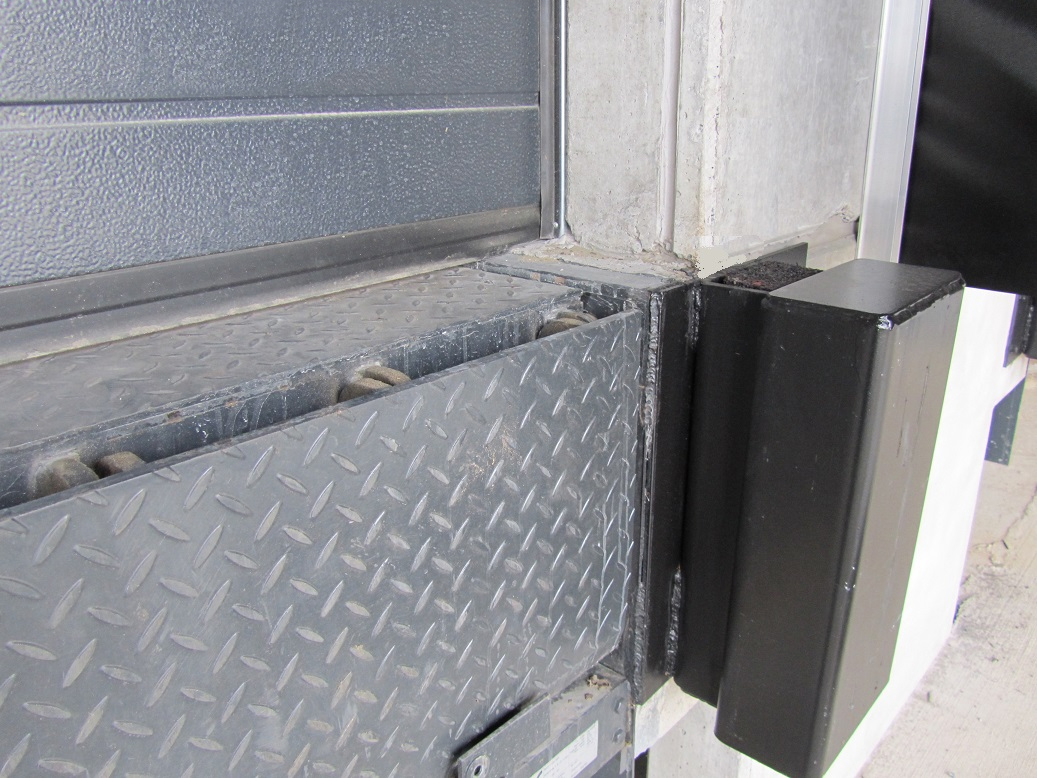 What Happens When a Forklift Strikes a Steel-faced Laminated Rubber Bumper at Full Speed? Test Results Inside
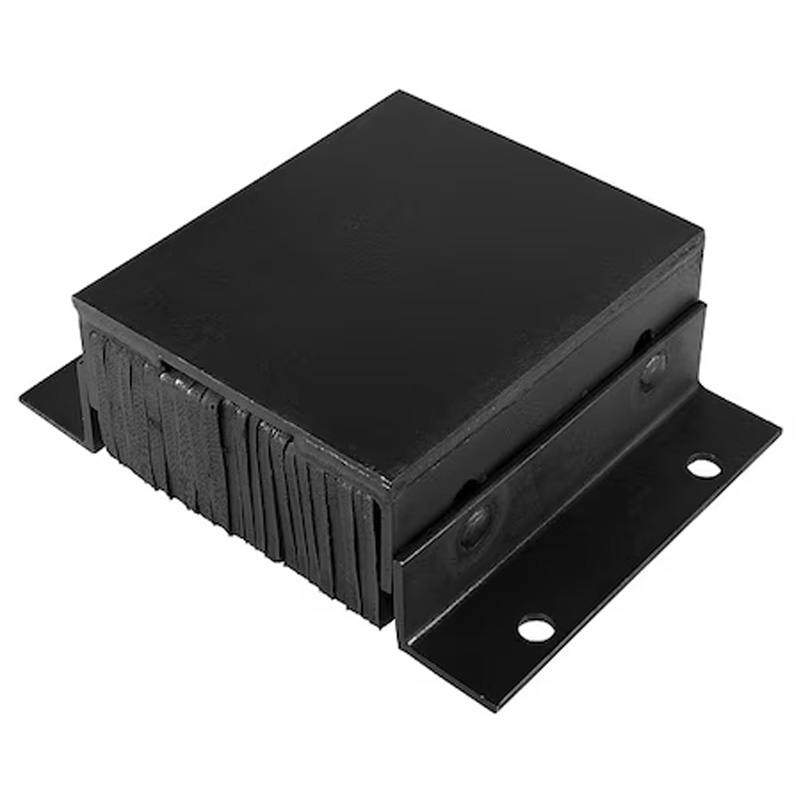 Can a Steel-faced Laminated Rubber Bumper Survive 10,000 Impacts Without Failure? Here Is the Evidence
 Is Your Loading Dock Prematurely Failing? What Proof Backs a Steel-faced Laminated Rubber Bumper?
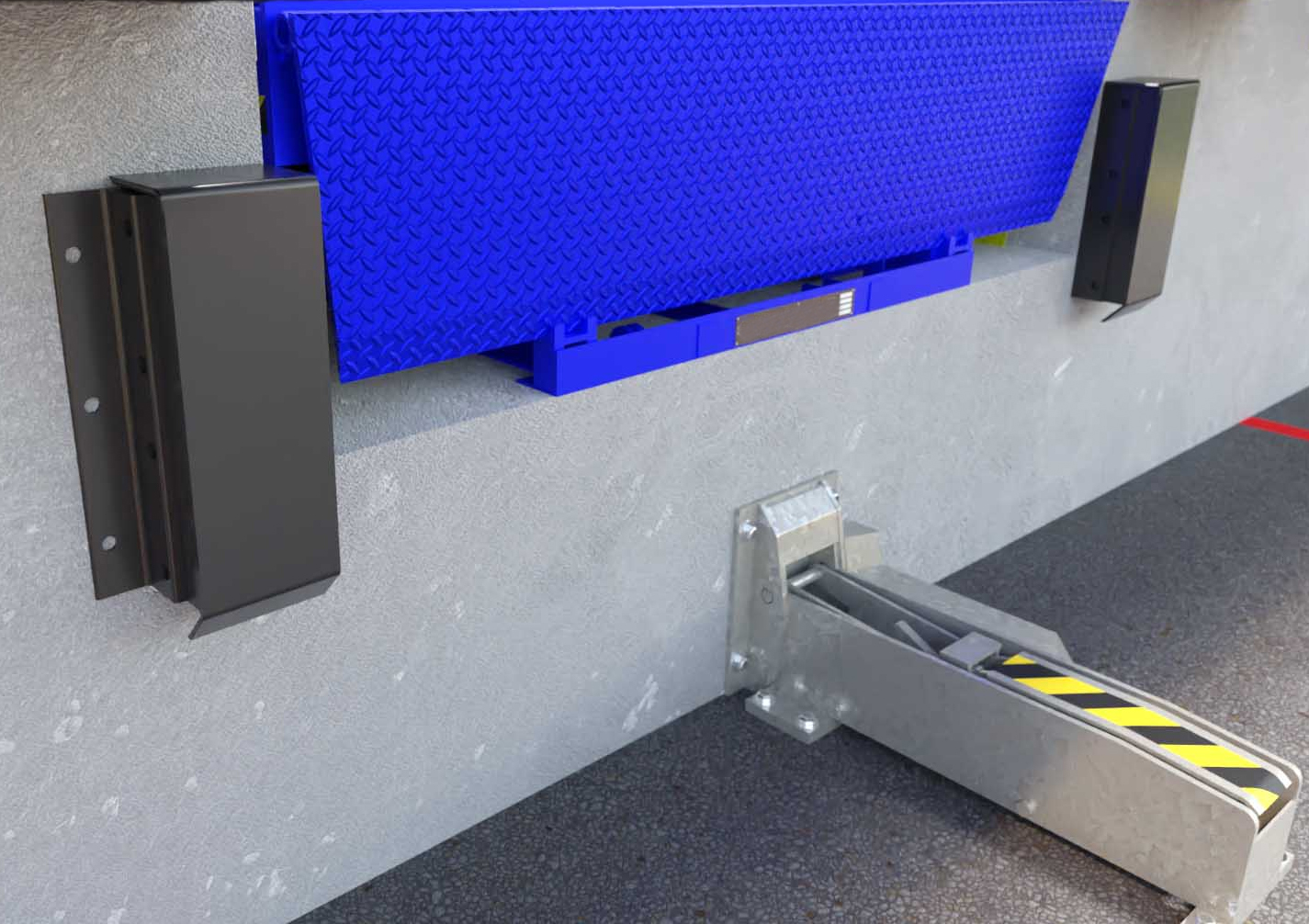 Why Do Air-Ride Trailers Destroy Standard Bumpers? Should You Specify a Steel-faced Laminated Rubber Bumper Instead?