
When it comes to sealing, protecting, or filling spaces, rubber plugs play a vital role across industries. From automotive manufacturing to plumbing systems, these versatile components prevent leaks, block debris, and ensure equipment operates smoothly. However, not all rubber plugs are created equal. Two primary categories dominate the market: solid rubber plugs and sponge rubber plugs. Each type offers distinct advantages depending on the application. This article breaks down the differences between these two materials, helping you choose the right option for your needs.
Material Composition: The Core Difference
The most fundamental distinction between solid and sponge rubber plugs lies in their material makeup. Solid rubber plugs are crafted from dense, homogeneous rubber compounds. These materials are engineered to resist compression, abrasion, and chemical exposure, making them ideal for high-pressure environments.
Sponge rubber plugs, on the other hand, are made from cellular rubber structures. This material features a network of tiny air pockets, giving it a softer, more flexible texture. The “sponge” effect is achieved through chemical processes that create these voids, resulting in a lightweight yet durable product.
The choice between solid and sponge rubber often hinges on the need for rigidity versus flexibility. Solid rubber excels in scenarios requiring a tight, immovable seal, while sponge rubber adapts to irregular surfaces or moving parts.
Density and Flexibility: How They Perform Under Pressure
Solid rubber plugs are inherently denser, which translates to greater resistance to deformation. When compressed, they maintain their shape, providing a reliable barrier against fluids, gases, or particulates. This makes them a go-to choice for applications like hydraulic systems, where pressure fluctuations demand stability.
Sponge rubber plugs, by contrast, are designed to compress and conform. Their cellular structure allows them to absorb vibrations, fill gaps, and create airtight seals even on uneven surfaces. For example, in automotive engine compartments, sponge rubber plugs can dampen noise while blocking contaminants.
The flexibility of sponge rubber also makes it easier to install and remove. Unlike solid rubber, which may require significant force to insert, sponge rubber plugs can be compressed and inserted with minimal effort, reducing wear on both the plug and the surrounding material.
Durability and Longevity: Which Lasts Longer?
Durability depends heavily on the application. Solid rubber plugs are built to withstand harsh conditions, including extreme temperatures, UV exposure, and chemical solvents. Their lack of internal voids minimizes the risk of cracking or breaking down over time. Industries such as construction and aerospace often rely on solid rubber for its longevity in demanding environments.
Sponge rubber plugs, while durable, are better suited for scenarios where repeated compression and release are common. Over time, excessive force or frequent cycling could degrade the cellular structure, reducing effectiveness. However, advancements in material science have led to sponge rubber formulations that resist compression set—a permanent deformation caused by prolonged pressure—extending their lifespan.
For long-term projects, solid rubber may offer cost savings by reducing replacement frequency. In dynamic settings, such as machinery with moving parts, sponge rubber’s ability to adapt could outweigh its shorter lifespan.
Applications Across Industries
The versatility of rubber plugs is reflected in their widespread use. Solid rubber plugs are commonly found in:
Automotive: Sealing fuel lines, protecting threaded holes during assembly.
Plumbing: Blocking pipe ends to prevent debris entry during construction.
Electronics: Insulating connectors or shielding components from moisture.
Sponge rubber plugs shine in:
Appliance Manufacturing: Sound dampening in washing machines or dishwashers.
Medical Devices: Creating sterile barriers in laboratory equipment.
Packaging: Protecting fragile items during shipping by filling empty spaces.
The choice often depends on whether the priority is creating a permanent seal (solid) or accommodating movement and vibration (sponge).
Cost Considerations: Balancing Budget and Performance
Price points vary based on material complexity and manufacturing processes. Solid rubber plugs are generally more affordable for bulk purchases, as their production involves fewer steps. They also require less frequent replacement, lowering long-term costs in static applications.
Sponge rubber plugs may carry a higher initial price due to specialized formulations and cellular engineering. However, their ability to reduce noise, absorb shocks, or fit irregular shapes can justify the expense in dynamic environments.
For businesses weighing cost versus benefit, consider the total lifecycle of the product. A slightly pricier sponge rubber plug that prevents equipment damage could save money compared to repeated replacements of a cheaper solid alternative.
Environmental Impact: Sustainability Matters
As industries prioritize eco-friendly practices, the environmental footprint of rubber plugs comes under scrutiny. Solid rubber plugs, particularly those made from synthetic materials, may raise concerns about non-biodegradability. However, many manufacturers now offer recycled or bio-based rubber options to mitigate this issue.
Sponge rubber plugs often face similar challenges, though their lighter weight can reduce transportation emissions. Additionally, some sponge rubber formulations incorporate recycled content or are designed for easier recycling at the end of their lifecycle.
Consumers and businesses alike are increasingly seeking suppliers committed to sustainability. Choosing plugs made from responsibly sourced materials or those certified for low environmental impact can align with corporate social responsibility goals.
Making the Right Choice for Your Needs
Selecting between solid and sponge rubber plugs boils down to understanding your specific requirements. Ask yourself:
What environment will the plug operate in? (High pressure, chemicals, or movement?)
How long does the plug need to last? (Short-term project vs. permanent installation?)
What are the cost constraints? (Initial budget vs. long-term savings?)
Are there sustainability goals to meet? (Recycled materials or eco-certifications?)
Consulting with material experts or suppliers can provide tailored recommendations. Many companies offer samples to test performance in real-world conditions, ensuring the chosen plug meets expectations.
Conclusion: The Role of Rubber Plugs in Modern Industry
Whether solid or sponge, rubber plugs are indispensable tools for efficiency and reliability. Their ability to adapt to diverse needs—from sealing pipelines to cushioning vibrations—makes them a staple in countless applications. By understanding the differences in material composition, performance, and cost, businesses can make informed decisions that optimize both functionality and budget.
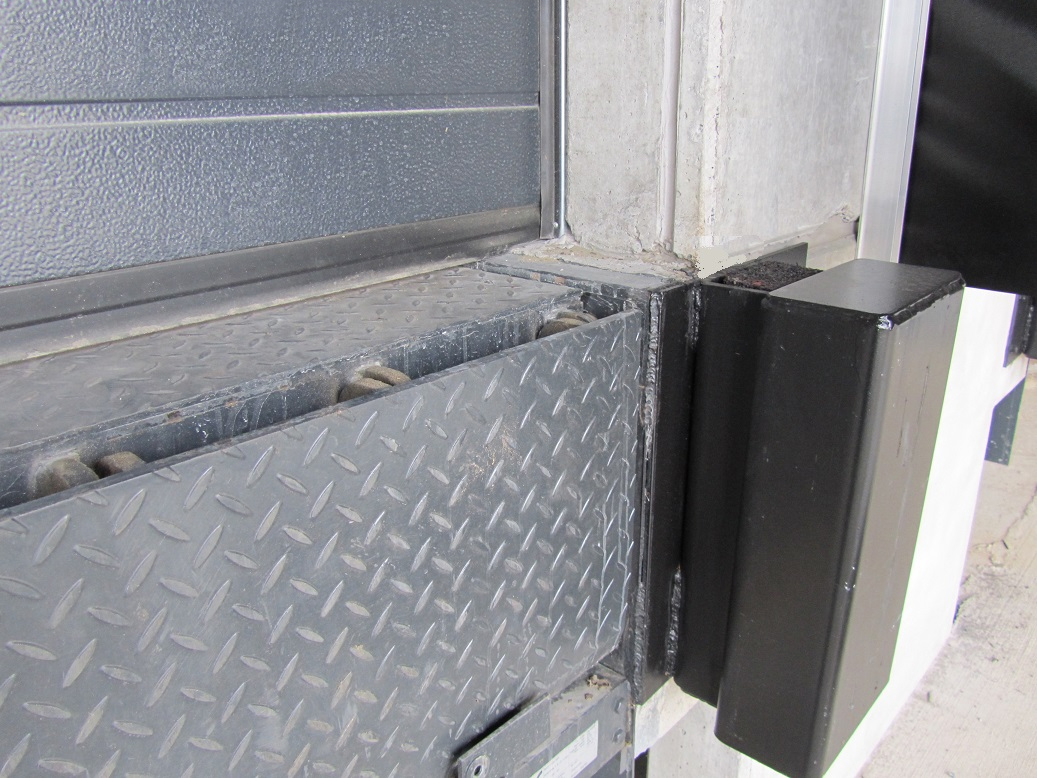 What Happens When a Forklift Strikes a Steel-faced Laminated Rubber Bumper at Full Speed? Test Results Inside
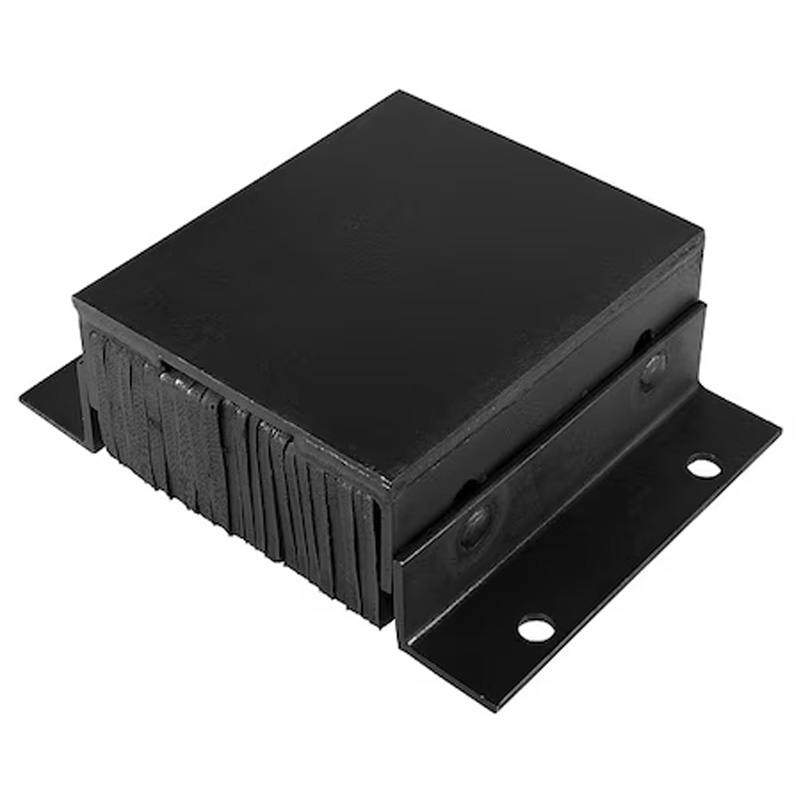 Can a Steel-faced Laminated Rubber Bumper Survive 10,000 Impacts Without Failure? Here Is the Evidence
 Is Your Loading Dock Prematurely Failing? What Proof Backs a Steel-faced Laminated Rubber Bumper?
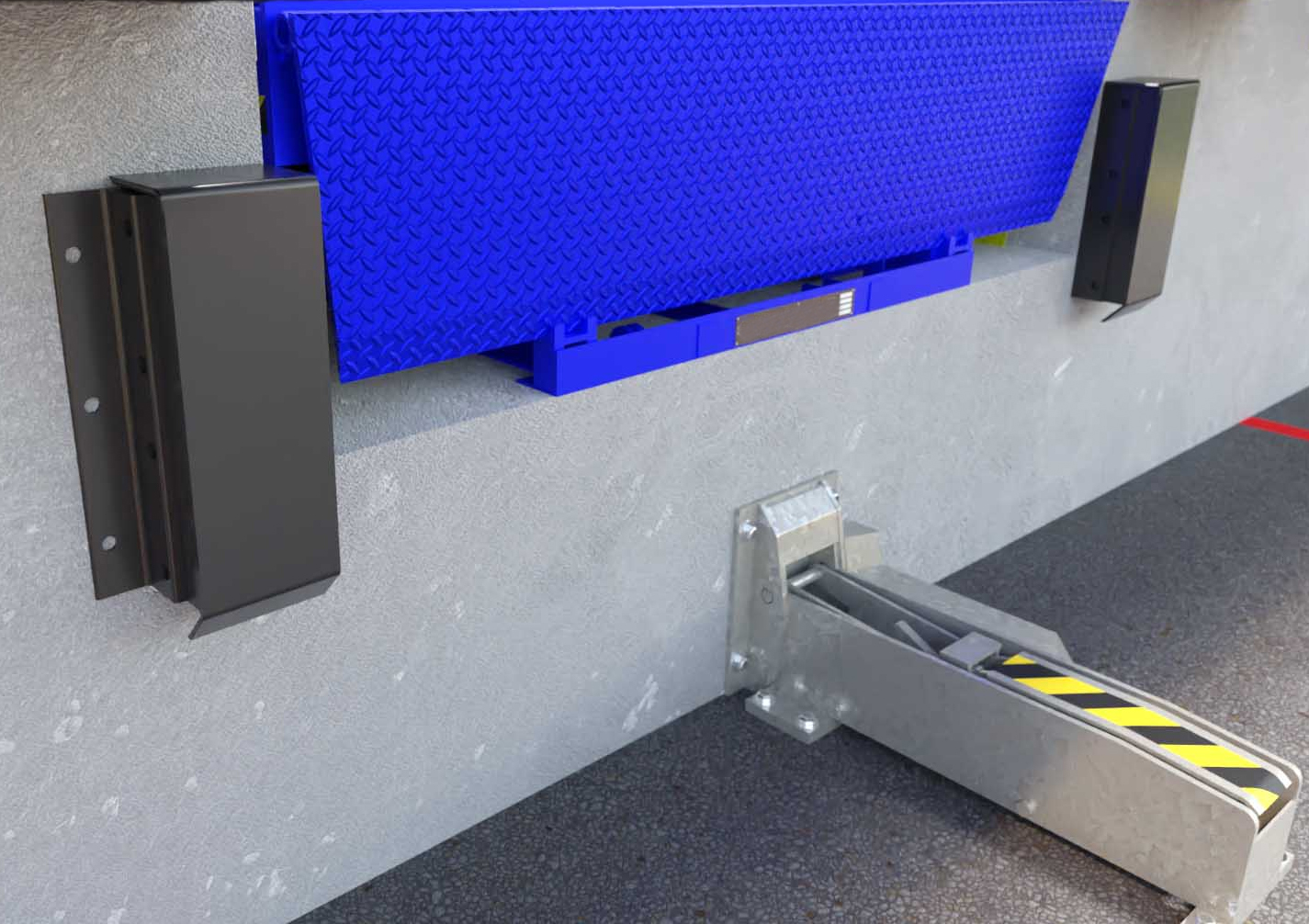 Why Do Air-Ride Trailers Destroy Standard Bumpers? Should You Specify a Steel-faced Laminated Rubber Bumper Instead?