
In the vast landscape of industrial manufacturing and everyday utilities, rubber plugs play an unassuming yet crucial role. These unassuming devices, often overlooked in their simplicity, are integral to a multitude of applications, ranging from sealing pipelines and protecting electrical components to ensuring the safe operation of machinery. Their importance lies not just in their functionality but also in their compliance with established standards and regulations. This article delves into the significance of rubber plug compliance, exploring its impact on safety, efficiency, environmental sustainability, and the overall integrity of products and systems.
The Role of Rubber Plugs
Rubber plugs are versatile components designed to fit into openings or orifices to prevent the ingress or egress of fluids, gases, or solid particles. They are manufactured from various types of rubber materials, each suited to specific environmental conditions, temperature ranges, and chemical exposures. The choice of rubber—whether natural, nitrile, silicone, or another compound—is pivotal in determining the plug's durability, flexibility, and resistance to wear and tear.
In industrial settings, rubber plugs are used to seal pipe ends during transportation and storage, to protect threaded connections from corrosion, and to maintain pressure in hydraulic systems. They are also essential in automotive applications, where they seal oil and coolant passages, and in electrical installations, where they prevent moisture ingress into junction boxes and other enclosures. Furthermore, rubber plugs are employed in laboratory equipment, marine applications, and even in household items like sinks and baths to prevent leaks.
Compliance: A Fundamental Aspect
Compliance in the context of rubber plugs refers to adherence to a set of standards, specifications, and regulations that govern their design, manufacture, and use. These standards are typically established by industry bodies, regulatory authorities, and international organizations to ensure that rubber plugs meet minimum performance criteria, safety requirements, and environmental guidelines.
Compliance is not just a matter of ticking boxes; it is a critical aspect of product quality and reliability. Non-compliant rubber plugs can lead to a range of issues, including leaks, system failures, environmental contamination, and even safety hazards. For instance, a rubber plug that fails to withstand the pressure in a hydraulic system can result in fluid loss, reduced efficiency, and potential equipment damage. Similarly, a plug that does not meet electrical safety standards can lead to short circuits, fires, or electrocution risks.
Safety and Efficiency
The primary reason for ensuring rubber plug compliance is safety. Compliant plugs are designed and tested to withstand the conditions they are intended for, reducing the risk of accidents and injuries. They are also less likely to fail prematurely, which can cause unexpected downtime in industrial processes or equipment malfunctions in critical applications.
Efficiency is another key benefit of compliance. Rubber plugs that meet or exceed industry standards are more likely to perform optimally, maintaining seals, preventing leaks, and ensuring the smooth operation of systems. This, in turn, enhances productivity, reduces maintenance costs, and extends the lifespan of equipment and infrastructure.
Environmental Sustainability
Environmental compliance is an increasingly important aspect of rubber plug manufacturing. With growing concerns about pollution and sustainability, regulatory bodies are imposing stricter controls on the materials used in industrial products. Rubber plugs must now be made from materials that are not only effective but also environmentally friendly.
Compliant rubber plugs are often manufactured using materials that can be recycled or that have a minimal environmental impact at the end of their life cycle. Additionally, manufacturers are encouraged to adopt sustainable production practices, such as reducing waste, conserving energy, and minimizing emissions. By choosing compliant rubber plugs, consumers and industries contribute to environmental conservation efforts and promote a more sustainable future.
International Standards and Regulations
Several international standards and regulations govern the design, manufacture, and use of rubber plugs. These include standards from organizations such as the International Organization for Standardization (ISO), the American Society for Testing and Materials (ASTM), and the European Committee for Standardization (CEN).
ISO standards, for example, provide guidelines for the material composition, dimensions, tolerance, and performance testing of rubber plugs. ASTM standards often focus on specific applications, such as rubber plugs for use in plumbing systems or electrical enclosures. CEN standards, on the other hand, are tailored to the European market, ensuring that rubber plugs meet the region's safety, health, and environmental requirements.
Compliance with these standards is typically demonstrated through third-party certification and testing. Independent laboratories and certification bodies assess rubber plugs against the relevant standards, verifying their compliance and issuing certificates or marks of approval. This third-party verification provides assurance to manufacturers, suppliers, and end-users that the rubber plugs meet the required quality and safety standards.
The Role of Manufacturers and Suppliers
Manufacturers and suppliers of rubber plugs play a crucial role in ensuring compliance. They are responsible for sourcing materials that meet the specified standards, designing plugs that conform to the required dimensions and tolerances, and implementing quality control measures to ensure consistent production.
Manufacturers must also stay abreast of changes in standards and regulations, updating their production processes and product specifications accordingly. They should provide detailed documentation, including test reports and certificates of compliance, to demonstrate that their rubber plugs meet the relevant standards.
Suppliers, on the other hand, have a responsibility to source compliant rubber plugs from reputable manufacturers. They should verify the compliance of the products they supply and provide the necessary documentation to their customers. This ensures transparency and traceability throughout the supply chain, from the manufacturer to the end-user.
In conclusion, the importance of rubber plug compliance cannot be overstated. Compliant rubber plugs are essential for ensuring safety, efficiency, and environmental sustainability in a wide range of applications. They play a critical role in preventing leaks, maintaining system integrity, and protecting against potential hazards.
Manufacturers, suppliers, and end-users all have a responsibility to ensure that rubber plugs meet the relevant standards and regulations. By doing so, they contribute to the safe and efficient operation of equipment and infrastructure, promote environmental conservation, and uphold the integrity of products and systems.
As technology advances and regulatory requirements evolve, the importance of compliance will only increase. It is imperative that all stakeholders in the rubber plug industry remain vigilant, stay informed, and commit to producing, supplying, and using only compliant products. In doing so, they will not only meet the current standards but also set the foundation for a safer, more efficient, and more sustainable future.
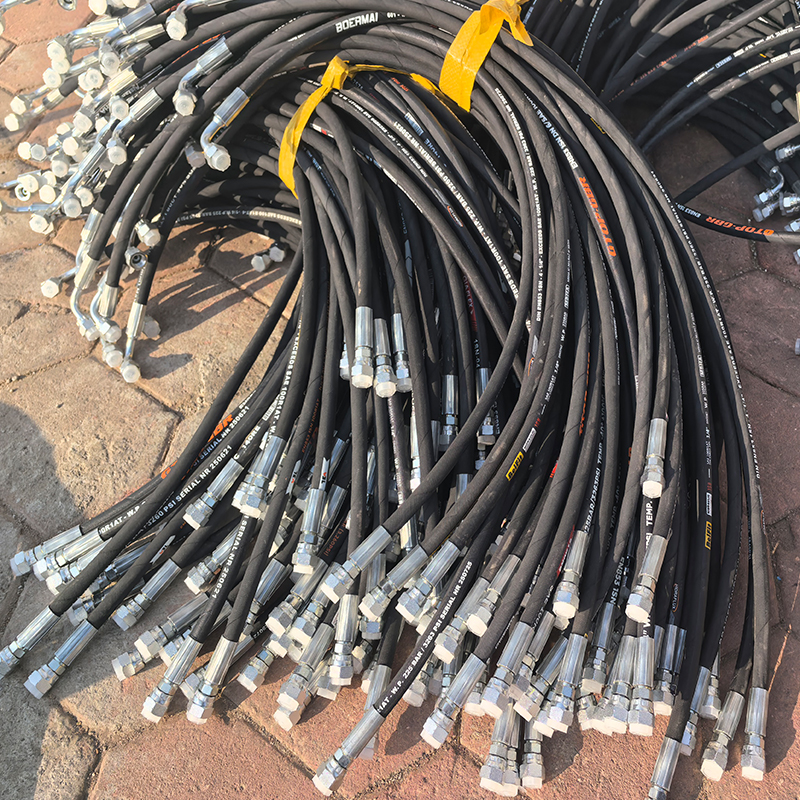 How to Create a Proactive Spiral Hydraulic Hose Replacement Plan That Prevents Downtime?
 Is Your Hydraulic System Overstressing? 5 Diagnostic Signs You Need to Upgrade to Spiral Hose
 Is Your Hydraulic System Pushing Limits? When to Specify Spiral Hose vs. Braided?
 Is Your Machinery Demanding More? Why Upgrade to a Spiral Hydraulic Hose?