
When it comes to manufacturing or maintaining equipment that requires rubber plugs, choosing the right material is crucial. Rubber plugs serve a multitude of purposes, from sealing fluid systems to acting as stoppers in various applications. The material you select can significantly impact the performance, durability, and reliability of the plug. With numerous rubber materials available on the market, each possessing unique properties, making an informed decision can be overwhelming. This article aims to guide you through the process of selecting the appropriate rubber material for your rubber plug needs by considering several key factors.
Understanding the Application
Before diving into the specifics of rubber materials, it's essential to have a clear understanding of the application in which the rubber plug will be used. Different applications impose varying requirements on the plug, such as temperature resistance, chemical compatibility, mechanical strength, and abrasion resistance. For instance, a rubber plug used in a high-temperature environment will need to withstand heat without degrading, while one used in a chemical processing plant must be resistant to the specific chemicals it will encounter.
Temperature Resistance
One of the primary considerations when selecting a rubber material is its temperature resistance. Rubber materials have different temperature ranges within which they can operate effectively. Some rubbers, like silicone, can withstand extremely high temperatures, making them suitable for applications where the plug may be exposed to heat. On the other hand, materials like natural rubber or neoprene have lower temperature tolerances and may not perform well in high-heat environments. Conversely, certain rubbers can become brittle and lose their elasticity at low temperatures, so if your application involves cold conditions, you'll need to choose a material that remains flexible in the cold.
Chemical Compatibility
Another critical factor is chemical compatibility. Rubber plugs are often used in environments where they come into contact with various chemicals, such as oils, acids, solvents, or alkalis. It's vital to select a material that is resistant to the specific chemicals present in your application. For example, nitrile rubber (also known as Buna-N) is highly resistant to oils and greases, making it ideal for automotive or industrial applications where oil resistance is necessary. However, it may not be suitable for environments containing strong acids or ketones. Consulting a chemical resistance chart can help you determine which rubber material is compatible with the chemicals your plug will encounter.
Mechanical Strength and Abrasion Resistance
The mechanical strength and abrasion resistance of the rubber material are also important considerations. If the rubber plug will be subjected to pressure, tension, or compression, you need a material with adequate tensile strength and elasticity. Materials like styrene-butadiene rubber (SBR) or chloroprene rubber (neoprene) offer good mechanical strength and are often used in applications where the plug needs to withstand physical stress.
Abrasion resistance is crucial if the plug will be in contact with moving parts or rough surfaces. Rubbers like polyurethane or ethylene propylene diene monomer (EPDM) exhibit excellent abrasion resistance and can withstand wear and tear better than other materials.
Environmental Factors
Environmental factors, such as exposure to weather elements or ozone, can also affect the choice of rubber material. If the rubber plug will be used outdoors or in environments where it is exposed to sunlight, rain, or ozone, you need a material that is resistant to these elements. EPDM, for example, is highly resistant to ozone and UV radiation, making it a good choice for outdoor applications.
Cost Considerations
Cost is another factor that can influence your material selection. While some rubber materials offer superior performance characteristics, they may also come with a higher price tag. It's important to strike a balance between performance and cost, ensuring that you select a material that meets your application requirements without breaking the budget. In some cases, a less expensive material may suffice, while in others, the superior properties of a more expensive rubber may be necessary to ensure the reliability and longevity of the plug.
Material Options
Now that we've discussed the key factors to consider, let's explore some common rubber materials and their properties:
Natural Rubber (NR): Known for its high elasticity and good tear resistance, natural rubber is often used in applications where flexibility and stretchability are important. However, it has limited resistance to oils and chemicals.
Styrene-Butadiene Rubber (SBR): SBR is a versatile material with good mechanical strength and abrasion resistance. It is commonly used in tires, conveyor belts, and general-purpose rubber goods.
Nitrile Rubber (Buna-N): With excellent oil and grease resistance, nitrile rubber is a popular choice for automotive and industrial applications. It also has good mechanical properties and abrasion resistance.
Chloroprene Rubber (Neoprene): Neoprene is known for its good balance of mechanical properties, oil resistance, and weathering resistance. It is often used in gaskets, seals, and hoses.
Ethylene Propylene Diene Monomer (EPDM): EPDM offers excellent resistance to ozone, UV radiation, and weathering. It is commonly used in outdoor applications, such as roofing membranes and automotive weather stripping.
Silicone Rubber: Silicone is highly resistant to high temperatures and has excellent electrical insulation properties. It is often used in applications where high temperatures and electrical insulation are required, such as in electronic devices and cookware.
Polyurethane (PU): Polyurethane is known for its high abrasion resistance, elasticity, and tear strength. It is often used in applications where durability and flexibility are crucial, such as in hydraulic hoses and industrial belts.
Selecting the right material for your rubber plug needs requires careful consideration of several factors, including application requirements, temperature resistance, chemical compatibility, mechanical strength, abrasion resistance, environmental factors, and cost. By understanding the specific demands of your application and the properties of different rubber materials, you can make an informed decision that ensures the performance, durability, and reliability of your rubber plug.
Remember to consult with a rubber material expert or supplier if you're unsure about which material to choose. They can provide valuable insights and recommendations based on your application requirements and help you find the perfect rubber material for your needs.
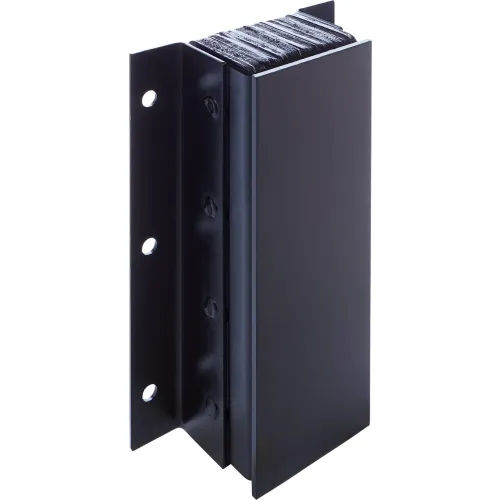 Steel-Faced Laminated Rubber Bumper: 5 Field Problems Buyers Keep Finding After Installation
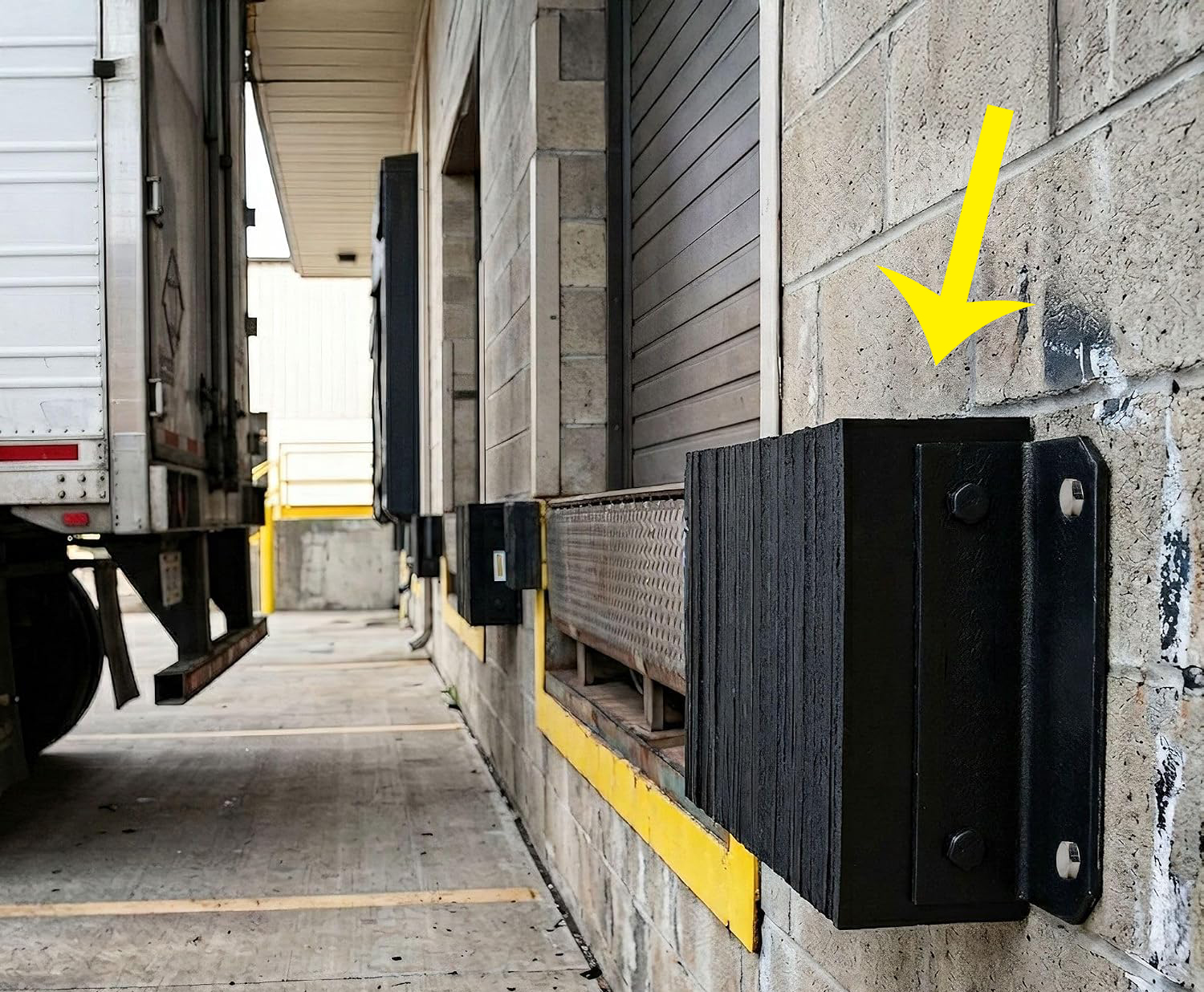 Rubber Laminated Loading Dock Bumper with Steel Angle: 5 Field Failure Signs That Point Back to the RFQ
 Bridge Bearing Pad Field Failure: 5 Visual Signs Before It Retires (And What Caused It)
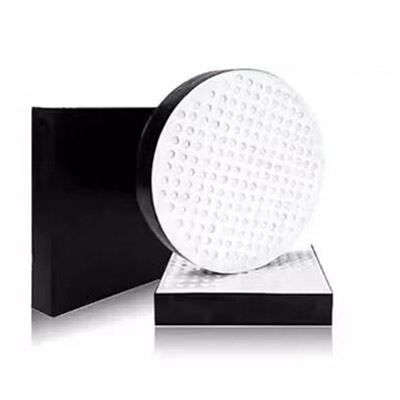 Bridge Bearing Pad RFQ Checklist: 9 Lines That Stop Suppliers From Subbing the Rubber