
In the vast realm of industrial applications, rubber plugs serve as unsung heroes, quietly fulfilling their duties in a multitude of environments. From sealing pipelines to protecting electrical components, these unassuming devices play a critical role in maintaining the integrity and functionality of various systems. One of the most vital yet often overlooked aspects of rubber plugs is their flexibility. This seemingly simple attribute is, in fact, a cornerstone of their effectiveness and versatility. To truly grasp the significance of rubber plug flexibility, it is essential to delve into the underlying principles, benefits, and practical implications.
The Fundamentals of Rubber Plug Flexibility
Rubber plugs are crafted from elastomeric materials, which are known for their elasticity and ability to return to their original shape after deformation. Flexibility, in this context, refers to the plug's capacity to bend, stretch, and compress without losing its structural integrity or sealing properties. This characteristic is inherently tied to the material's molecular structure, where long polymer chains can slide past one another, allowing for deformation while maintaining cohesion.
Several factors influence the flexibility of a rubber plug:
Material Composition: Different elastomers, such as natural rubber, silicone, nitrile, and EPDM, exhibit varying degrees of flexibility. The choice of material depends on the specific application requirements, including temperature resistance, chemical compatibility, and mechanical stress.
Durometer Rating: The durometer scale measures the hardness of a rubber material. A lower durometer rating indicates greater flexibility, while a higher rating signifies a stiffer material. Selecting the appropriate durometer is crucial for ensuring the plug can conform to the shape of the opening it seals without causing damage or leakage.
Design and Manufacturing: The design of the plug, including its shape, thickness, and surface texture, also impacts its flexibility. Precision manufacturing techniques ensure that the plug maintains consistent flexibility across its entire surface, enhancing its sealing capabilities.
Benefits of Rubber Plug Flexibility
The flexibility of rubber plugs offers a multitude of benefits that contribute to their widespread use and effectiveness:
Enhanced Sealing Performance: A flexible plug can conform to irregular surfaces and accommodate minor variations in size or shape, creating a tight seal that prevents leaks. This adaptability is particularly important in applications where precise dimensions are difficult to achieve or where components may expand and contract due to temperature changes.
Versatility: Rubber plugs can be used in a wide range of industries and applications, from automotive and aerospace to plumbing and electronics. Their flexibility allows them to be tailored to specific needs, making them a versatile solution for various sealing and protection challenges.
Durability: Flexible rubber plugs can withstand repeated cycles of compression and expansion without losing their sealing properties or structural integrity. This durability is essential in applications where the plug may be subjected to frequent use or exposure to harsh conditions.
Ease of Installation and Removal: The flexibility of rubber plugs facilitates easy installation and removal, even in tight or hard-to-reach spaces. This characteristic reduces the time and effort required for maintenance and repairs, enhancing overall efficiency.
Cost-Effectiveness: By providing reliable sealing and protection, flexible rubber plugs help prevent costly leaks, damage, and downtime. Their durability and ease of use also contribute to long-term cost savings by reducing the need for frequent replacements or repairs.
Practical Implications of Rubber Plug Flexibility
The importance of rubber plug flexibility becomes evident when examining its practical applications in various industries:
Plumbing and HVAC Systems: In plumbing systems, flexible rubber plugs are used to seal pipes during maintenance or repairs, preventing water leakage and ensuring a tight fit. In HVAC systems, they help seal ductwork, preventing air leaks that can reduce system efficiency and increase energy costs.
Automotive Industry: Rubber plugs are essential in automotive applications, where they seal engine components, protect electrical connections, and prevent fluid leaks. Their flexibility allows them to adapt to the varying shapes and sizes of automotive parts, ensuring a secure and reliable seal.
Electronics and Appliances: In the electronics industry, rubber plugs are used to protect sensitive components from moisture, dust, and other contaminants. Their flexibility enables them to conform to the intricate shapes of electronic devices, providing effective sealing without causing damage.
Aerospace and Defense: In the aerospace and defense sectors, rubber plugs play a critical role in sealing aircraft components, protecting against extreme temperatures, pressures, and environmental factors. Their flexibility ensures a tight seal, even in high-stress conditions, contributing to the safety and reliability of aerospace systems.
Marine and Offshore Applications: In the marine industry, rubber plugs are used to seal hull openings, deck fittings, and other components, preventing water ingress and protecting against corrosion. Their flexibility allows them to adapt to the constant motion and varying conditions of marine environments, ensuring long-lasting protection.
In summary, the flexibility of rubber plugs is a fundamental attribute that significantly enhances their effectiveness and versatility across a wide range of applications. By enabling tight sealing, adapting to irregular surfaces, withstanding harsh conditions, and facilitating easy installation and removal, flexible rubber plugs play a crucial role in maintaining the integrity and functionality of various systems.
Understanding the importance of rubber plug flexibility is essential for selecting the right plug for a specific application, ensuring optimal performance, and preventing costly issues. As technology and industry continue to evolve, the demand for reliable, adaptable, and durable sealing solutions will only grow. By recognizing the value of flexibility in rubber plugs, we can harness their full potential to address the challenges of today and tomorrow.
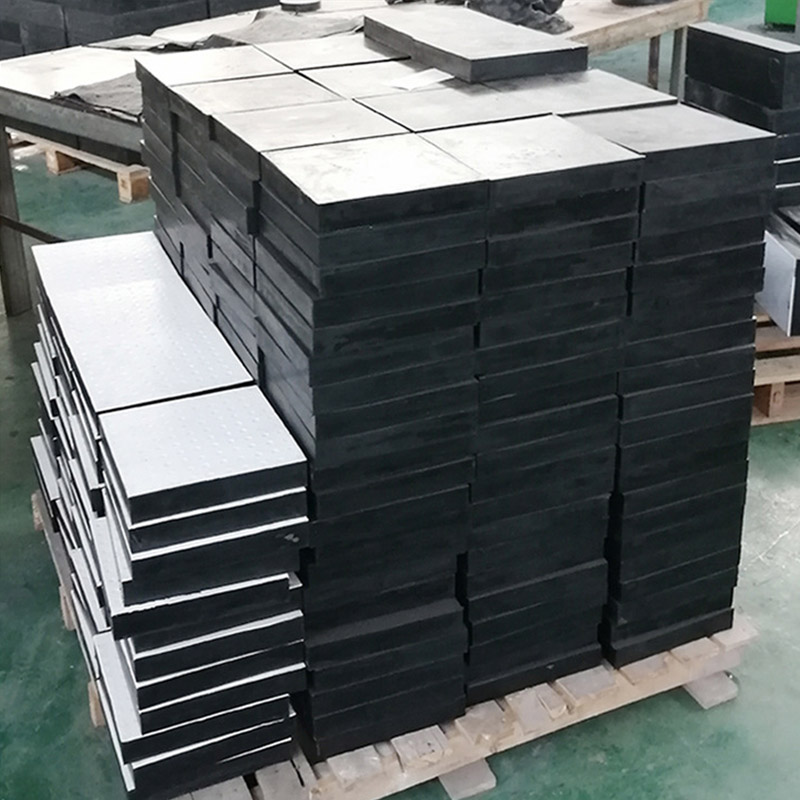 Why Do Some Bridge Bearing Pads Fail in Five Years While Others Last Fifty? A Root-Cause Analysis
 How Much Load Can a Bridge Bearing Pad Actually Carry? Engineering Data for Safe Girder Support
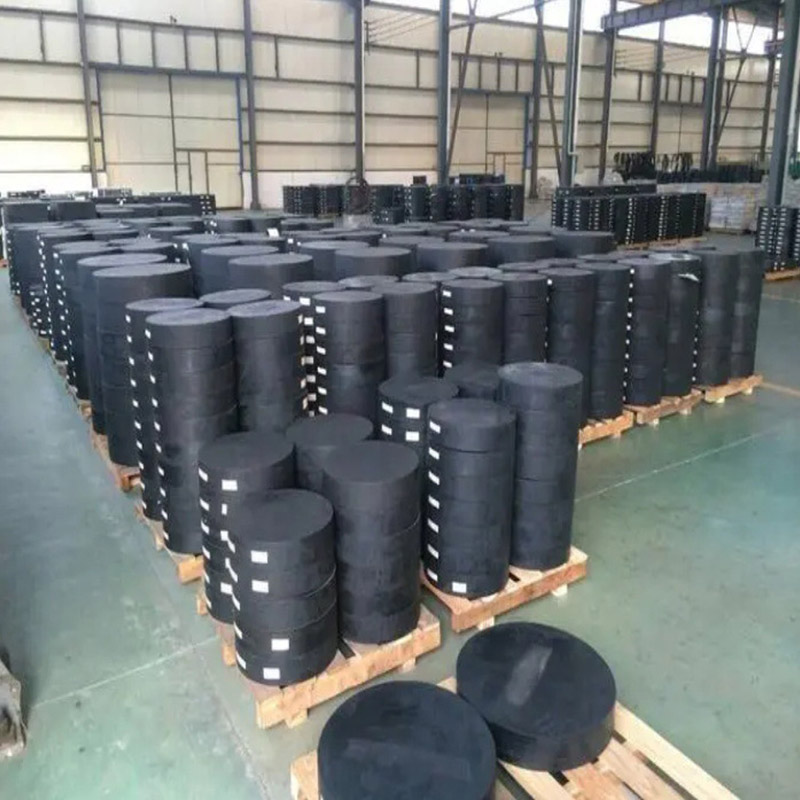 Is Your Bridge Bearing Pad Specified for the Wrong Rubber Grade? Why Elastomeric Bridge Bearing Pad Selection Decides 50-Year Deck Life
 Can a Loading Dock Bumper Survive -30°C Winters and +50°C Summers? Here Is the Extreme-Weather Data