
Fire suppression systems are critical components in ensuring safety and protecting property across various environments, from industrial facilities to commercial kitchens. One often-overlooked yet essential element in these systems is the rubber plug. These unassuming devices play a pivotal role in maintaining the integrity and functionality of fire suppression systems, particularly in controlling the flow of extinguishing agents and preventing leaks. Selecting the right rubber plug requires a comprehensive understanding of your system's specific needs, the materials available, and the environmental conditions in which the plug will operate. This guide aims to provide a detailed roadmap for making an informed decision.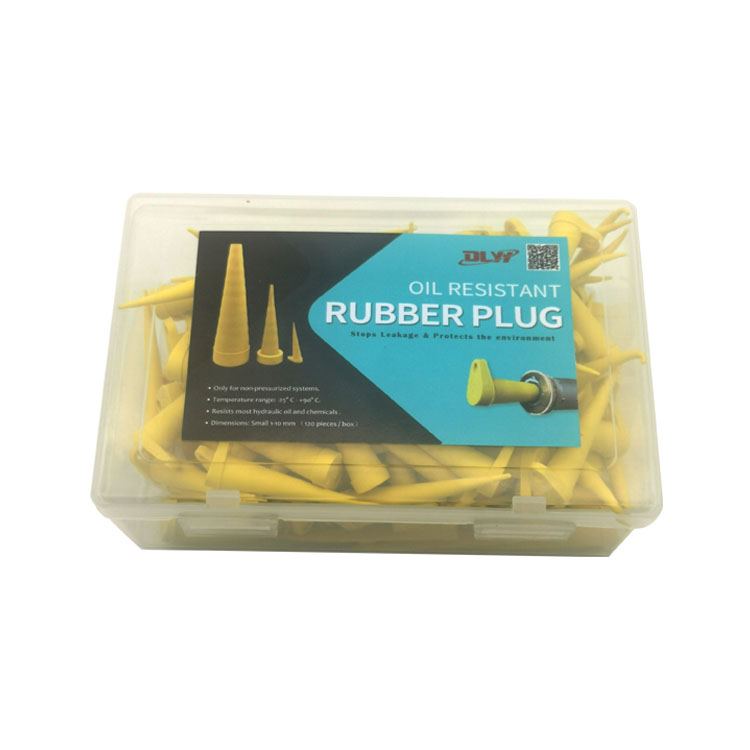
Understanding the Role of Rubber Plugs in Fire Suppression Systems
Rubber plugs in fire suppression systems serve multiple purposes. Primarily, they act as seals to prevent the leakage of extinguishing agents, such as water, foam, or clean agents, until the system is activated. They are commonly found in valves, nozzles, and connections, ensuring that the system remains pressure-tight and ready for immediate response. Additionally, rubber plugs can help regulate the flow of extinguishing agents, ensuring that they are dispensed effectively and efficiently when needed.
Factors to Consider When Selecting a Rubber Plug
Choosing the right rubber plug involves evaluating several key factors to ensure compatibility, reliability, and durability. Here are the primary considerations:
Material Compatibility:
The material of the rubber plug must be compatible with the extinguishing agent used in the fire suppression system. For instance, certain rubber materials may degrade when exposed to specific chemicals or high temperatures.
Consider the chemical resistance, temperature range, and pressure ratings of the rubber material. Materials like nitrile (NBR), ethylene propylene diene monomer (EPDM), and silicone are commonly used due to their versatility and resistance to various factors.
Pressure and Temperature Ratings:
Fire suppression systems operate under varying pressures and temperatures. The selected rubber plug must withstand the maximum operating pressure and temperature expected in the system without deforming or failing.
Check the manufacturer's specifications for pressure and temperature limits to ensure the plug can handle the conditions it will encounter.
Size and Fit:
Proper sizing is crucial for effective sealing and performance. The rubber plug should fit securely into its designated space without being too tight or too loose.
Measure the dimensions of the opening or valve where the plug will be installed and choose a plug that matches these specifications.
Durability and Longevity:
The rubber plug should have a long service life and be resistant to wear, tear, and environmental factors such as UV exposure, moisture, and ozone.
Look for plugs made from high-quality materials with proven durability in similar applications.
Ease of Installation and Maintenance:
Consider how easy it is to install and replace the rubber plug. Plugs that are difficult to install or require specialized tools can increase maintenance time and costs.
Opt for designs that facilitate easy access and quick replacement, minimizing downtime during maintenance.
Regulatory Compliance:
Ensure that the rubber plug meets relevant industry standards and regulations. Compliance with standards such as NFPA (National Fire Protection Association) or local fire codes is essential for safety and legal reasons.
Verify that the manufacturer provides certification and documentation to support compliance.
Types of Rubber Plugs
Rubber plugs come in various shapes, sizes, and materials, each suited to different applications. Here are some common types:
Solid Rubber Plugs: These are simple, one-piece plugs made of solid rubber. They are often used in applications where a tight seal is required, such as in valve stems or pipe ends.
Hollow Rubber Plugs: Hollow plugs can be compressed to fit into openings and then expand to create a seal. They are useful in applications where the plug needs to adapt to varying sizes or shapes.
Threaded Rubber Plugs: These plugs have threads on the exterior, allowing them to be screwed into threaded openings. They provide a secure fit and are commonly used in valves and fittings.
Custom Rubber Plugs: For unique or specialized applications, custom rubber plugs can be manufactured to precise specifications. This ensures a perfect fit and optimal performance.
Evaluating Manufacturers and Suppliers
Choosing a reputable manufacturer or supplier is as important as selecting the right rubber plug. Here are some tips:
Experience and Reputation: Look for manufacturers with a proven track record in producing high-quality rubber plugs for fire suppression systems.
Customer Reviews and Testimonials: Check customer reviews and testimonials to gauge the satisfaction level of other users.
Technical Support and Service: A good manufacturer should provide technical support, assistance with selection, and after-sales service.
Warranty and Return Policy: Ensure that the manufacturer offers a warranty on their products and has a clear return policy in case the plug does not meet your expectations.
Installation and Maintenance Best Practices
Proper installation and regular maintenance are essential for the long-term performance of rubber plugs in fire suppression systems. Follow these best practices:
Installation:
Clean the surface where the plug will be installed to remove any dirt, debris, or grease.
Inspect the plug for any defects or damage before installation.
Follow the manufacturer's instructions for installation, ensuring the plug is securely and correctly fitted.
Maintenance:
Regularly inspect the rubber plug for signs of wear, tear, or damage.
Replace the plug if it shows signs of degradation or if it no longer provides a tight seal.
Keep spare plugs on hand for quick replacement during maintenance or emergencies.
Selecting the right rubber plug for your fire suppression system is a critical decision that can impact the system's effectiveness and reliability. By considering factors such as material compatibility, pressure and temperature ratings, size and fit, durability, ease of installation and maintenance, and regulatory compliance, you can make an informed choice that meets your specific needs. Additionally, choosing a reputable manufacturer and following best practices for installation and maintenance will ensure that your rubber plugs perform optimally, providing peace of mind and protecting your assets against the risk of fire. Invest the time and effort to carefully evaluate your options, and consult with experts if necessary, to make the best decision for your fire suppression system.
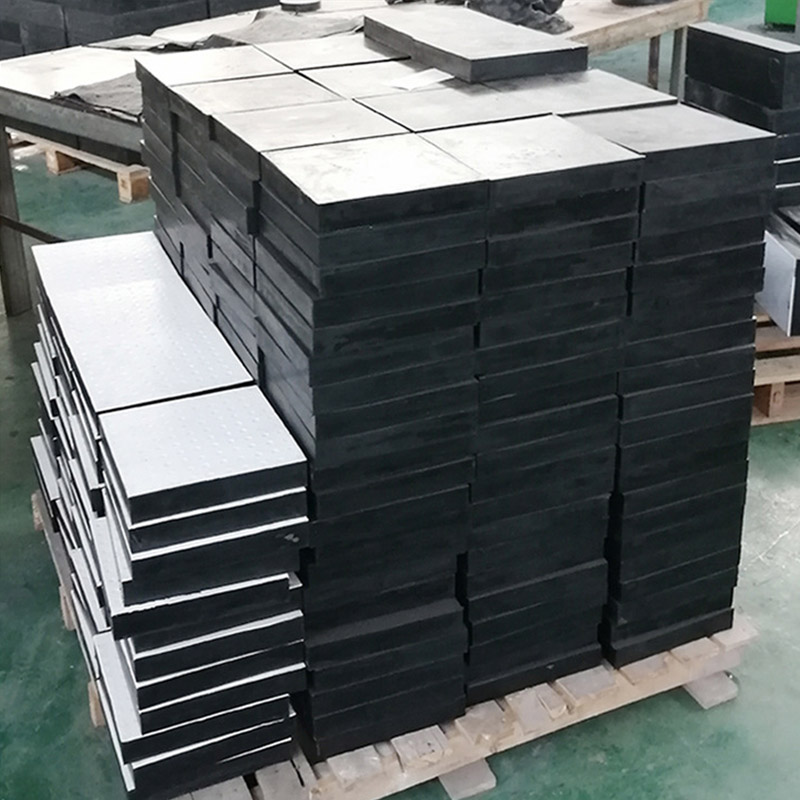 Why Do Some Bridge Bearing Pads Fail in Five Years While Others Last Fifty? A Root-Cause Analysis
 How Much Load Can a Bridge Bearing Pad Actually Carry? Engineering Data for Safe Girder Support
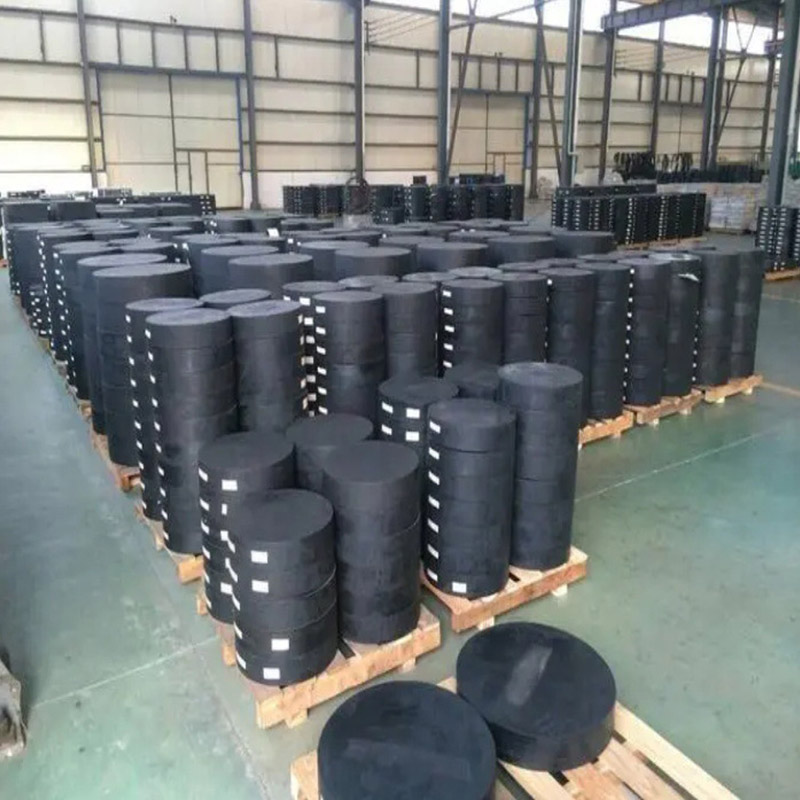 Is Your Bridge Bearing Pad Specified for the Wrong Rubber Grade? Why Elastomeric Bridge Bearing Pad Selection Decides 50-Year Deck Life
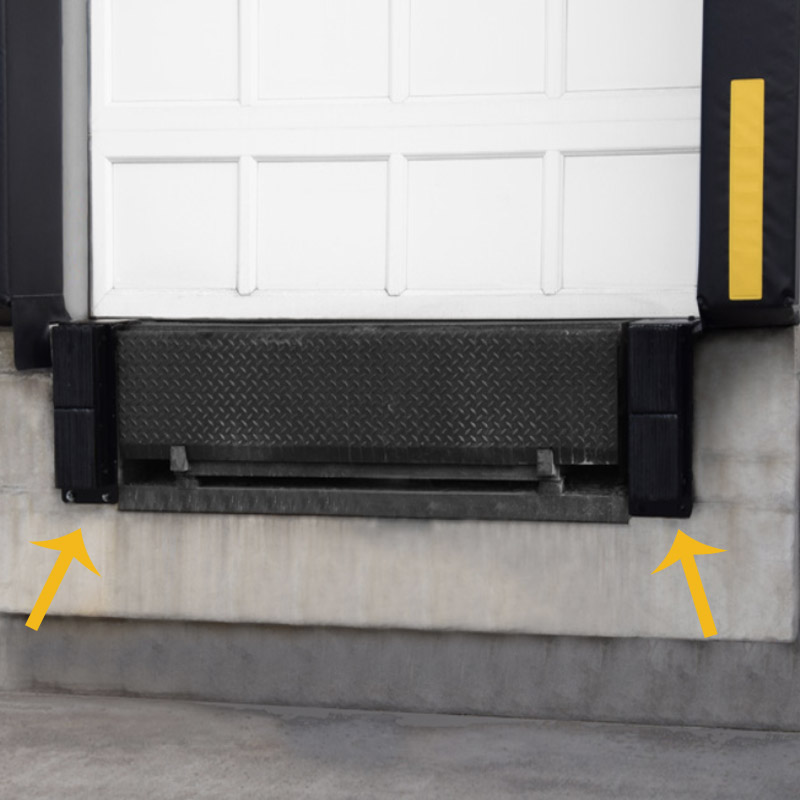 Can a Loading Dock Bumper Survive -30°C Winters and +50°C Summers? Here Is the Extreme-Weather Data