
In the realm of engineering and everyday applications, the unassuming rubber plug plays a vital yet often overlooked role. These small, seemingly insignificant devices are integral to maintaining the integrity and functionality of a wide array of equipment and structures by effectively preventing moisture ingress. From household appliances to industrial machinery, rubber plugs serve as the first line of defense against the damaging effects of water infiltration. This article delves into the significance of rubber plugs, exploring their design, materials, applications, and the crucial role they play in safeguarding various systems from moisture-related issues.
Understanding the Importance of Moisture Control
Moisture ingress can wreak havoc on electronic systems, mechanical components, and structural integrity. Water, in its various forms, can cause corrosion, short circuits, mold growth, and material degradation. In electronic devices, even minute amounts of moisture can lead to catastrophic failures. Similarly, in construction and infrastructure, unchecked moisture can compromise structural stability and lead to costly repairs. Therefore, preventing moisture ingress is paramount to ensuring the longevity and reliability of these systems.
The Design and Functionality of Rubber Plugs
Rubber plugs are designed to fit snugly into openings, seams, or ports, creating a watertight seal. Their effectiveness lies in their ability to conform to the shape of the opening and provide a barrier against moisture penetration. The design of a rubber plug can vary depending on its intended use. Some plugs are simple, cone-shaped devices that are inserted and held in place by friction. Others may feature threads, grooves, or flanges to enhance their sealing capabilities and ease of installation.
The material composition of rubber plugs is critical to their performance. Rubbers such as natural rubber, neoprene, silicone, and nitrile are commonly used due to their elasticity, durability, and resistance to water, chemicals, and temperature extremes. The choice of material depends on the specific application requirements, including the expected exposure to moisture, temperature fluctuations, and potential chemical contact.
Applications Across Industries
Rubber plugs find applications in diverse industries where moisture control is essential. In the automotive sector, they are used to seal engine compartments, electrical connections, and fuel system components, protecting them from rain, snow, and road splash. In aerospace, rubber plugs play a crucial role in sealing aircraft cabins, avionics bays, and landing gear compartments, ensuring that critical systems remain dry and functional.
In the construction industry, rubber plugs are employed to seal joints and penetrations in roofs, walls, and foundations, preventing water ingress that could lead to leaks and structural damage. They are also used in plumbing systems to temporarily seal pipes during maintenance or repairs, ensuring that water does not enter the work area.
Electronic devices, from smartphones to industrial control panels, rely on rubber plugs to protect sensitive components from moisture. These plugs are often integrated into design features such as charging ports, headphone jacks, and external connectors, providing a seamless yet effective barrier against water ingress.
Environmental and Economic Benefits
The use of rubber plugs offers significant environmental and economic benefits. By preventing moisture ingress, these plugs help extend the lifespan of equipment and structures, reducing the need for premature replacements and repairs. This, in turn, minimizes waste and the consumption of resources required for manufacturing new components, contributing to a more sustainable approach to engineering and maintenance.
Economically, the cost of implementing rubber plugs is minimal compared to the potential expenses associated with moisture-related damage. Repairing or replacing damaged equipment due to water infiltration can be costly and time-consuming. In some cases, such as in critical infrastructure or high-value assets, the consequences of moisture ingress can be catastrophic, leading to significant financial losses and operational disruptions.
Innovations in Rubber Plug Technology
Advancements in materials science and manufacturing techniques have led to the development of innovative rubber plug designs that offer enhanced performance and versatility. For example, some plugs now incorporate antimicrobial agents to prevent the growth of mold and mildew, which can be particularly beneficial in damp or humid environments.
Others feature self-sealing capabilities, utilizing advanced elastomers that expand or contract in response to changes in temperature or pressure, maintaining a tight seal even under dynamic conditions. These innovations are particularly valuable in applications where traditional rubber plugs may fail, such as in high-vibration environments or in systems subject to thermal cycling.
Best Practices for Using Rubber Plugs
To maximize the effectiveness of rubber plugs in preventing moisture ingress, it is essential to follow best practices for their selection, installation, and maintenance. Proper selection involves choosing a plug made from a material that is compatible with the application's specific conditions, such as temperature range, chemical exposure, and the degree of moisture protection required.
Installation should be carried out with care to ensure that the plug fits securely and forms a tight seal. Over-tightening or under-tightening can compromise the seal, while improper installation can lead to leaks and premature failure. Regular inspections and maintenance are also crucial to ensure that plugs remain in good condition and continue to provide effective moisture protection.
In conclusion, rubber plugs play a fundamental yet often unsung role in preventing moisture ingress across a wide range of applications. Their design, material composition, and versatility make them an indispensable component in maintaining the integrity and reliability of various systems. By effectively sealing out moisture, rubber plugs help prevent costly damage, extend the lifespan of equipment and structures, and contribute to a more sustainable and economically viable approach to engineering and maintenance.
As technology continues to advance, so too will the design and functionality of rubber plugs, enabling them to meet the evolving needs of different industries. By recognizing the importance of these unassuming devices and adhering to best practices for their selection, installation, and maintenance, we can ensure that they continue to provide the critical protection against moisture ingress that is essential for the smooth operation and longevity of countless systems and structures.
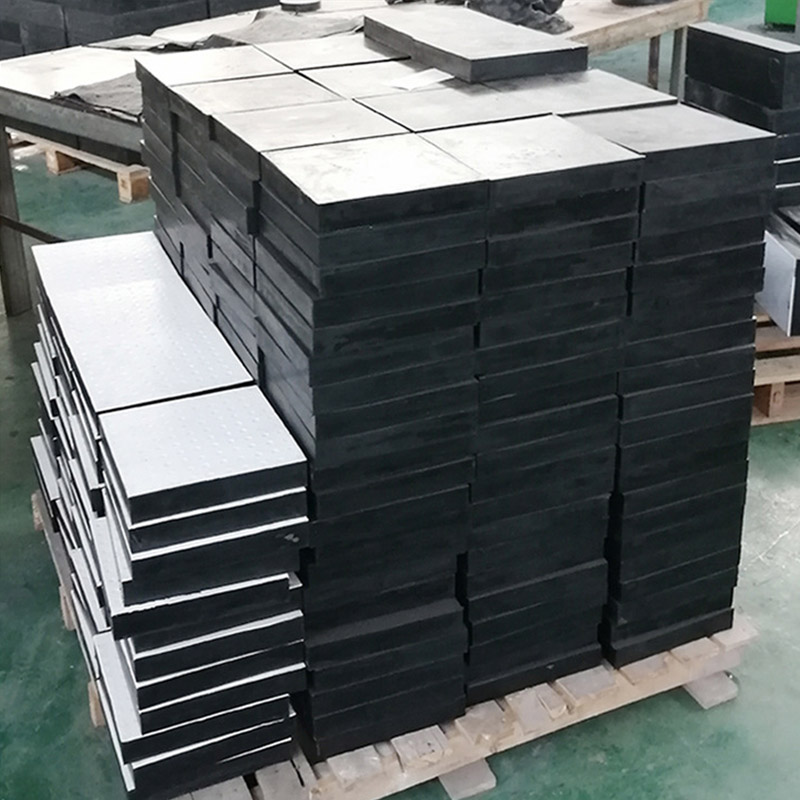 Why Do Some Bridge Bearing Pads Fail in Five Years While Others Last Fifty? A Root-Cause Analysis
 How Much Load Can a Bridge Bearing Pad Actually Carry? Engineering Data for Safe Girder Support
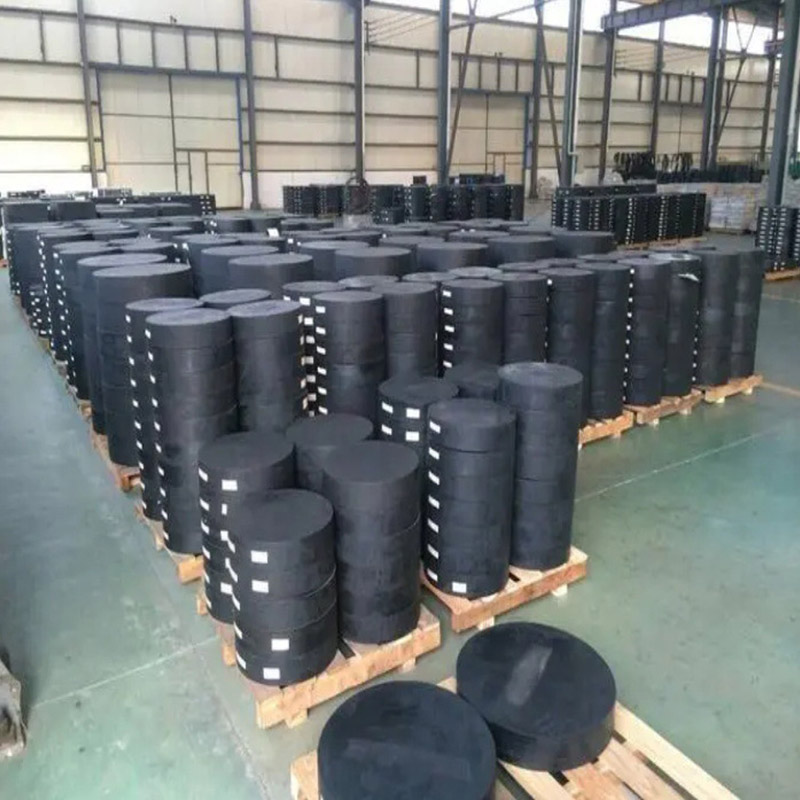 Is Your Bridge Bearing Pad Specified for the Wrong Rubber Grade? Why Elastomeric Bridge Bearing Pad Selection Decides 50-Year Deck Life
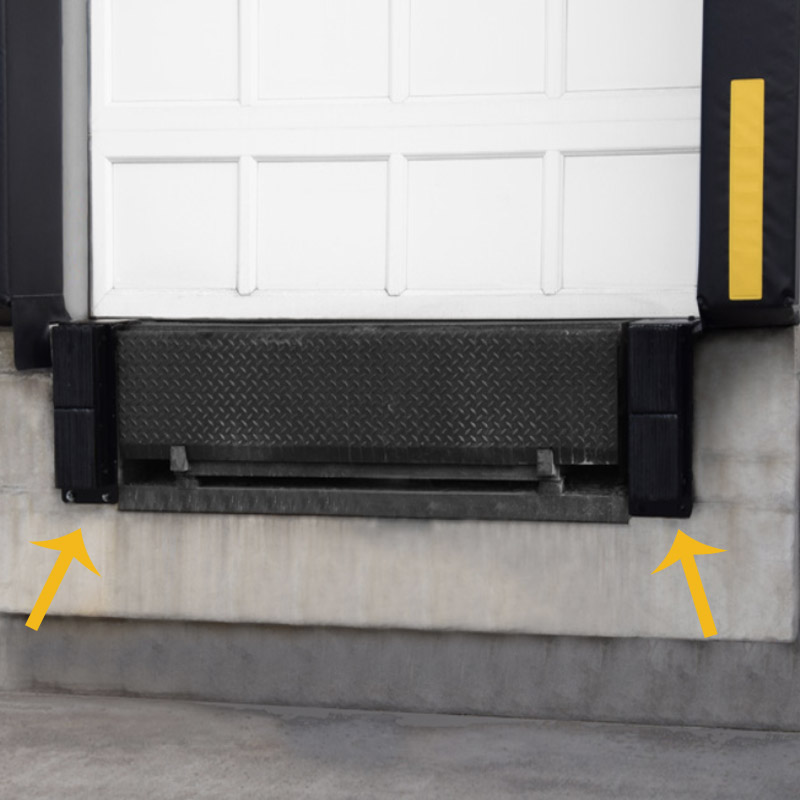 Can a Loading Dock Bumper Survive -30°C Winters and +50°C Summers? Here Is the Extreme-Weather Data