
Rubber plugs, though seemingly simple devices, play a critical role in various high-pressure applications across multiple industries. From automotive and aerospace to plumbing and hydraulics, these unassuming components are essential for sealing, protecting, and maintaining the integrity of systems subjected to extreme pressures. The effective use of rubber plugs in such demanding environments necessitates a thorough understanding of their properties, selection criteria, installation techniques, and maintenance practices. This comprehensive guide delves into the intricacies of utilizing rubber plugs in high-pressure applications, ensuring optimal performance and safety.
Understanding Rubber Plugs
Rubber plugs are versatile sealing devices designed to fit into openings or orifices to prevent the passage of fluids or gases. They are crafted from a variety of elastomeric materials, each with unique characteristics suited to different applications. The choice of rubber material is paramount, as it directly influences the plug's durability, resistance to pressure, chemical compatibility, and temperature tolerance.
Common elastomeric materials used in high-pressure rubber plugs include natural rubber, nitrile rubber (NBR), ethylene propylene diene monomer (EPDM), silicone, and fluoroelastomers (FKM). Natural rubber offers excellent elasticity and tear resistance but is susceptible to degradation by oils and solvents. Nitrile rubber, on the other hand, provides good oil and fuel resistance, making it ideal for automotive and industrial applications. EPDM is known for its weather and ozone resistance, while silicone offers high-temperature stability and excellent chemical resistance. Fluoroelastomers are the material of choice for extreme conditions, offering outstanding resistance to heat, chemicals, and oils.
Selection Criteria for High-Pressure Applications
When selecting a rubber plug for a high-pressure application, several factors must be considered to ensure the plug can withstand the demands of the environment:
Pressure Rating: The plug must be rated to handle the maximum pressure expected in the system. Manufacturers typically provide pressure ratings for their products, which should be consulted to make an informed decision.
Temperature Range: The rubber material must be able to withstand the temperature extremes the plug will be exposed to. Some materials may harden or soften at extreme temperatures, compromising the seal.
Chemical Compatibility: The plug must be resistant to any chemicals or fluids it will come into contact with. Chemical attack can degrade the rubber, leading to failure.
Size and Fit: The plug must fit securely into the opening it is intended to seal. An ill-fitting plug can lead to leaks or premature failure.
Durability: The plug should be able to withstand the mechanical stresses and vibrations it will be subjected to without deteriorating.
Installation Techniques
Proper installation is crucial for the effective functioning of a rubber plug in a high-pressure application. Here are some best practices for installing rubber plugs:
Clean the Surface: Ensure the surface where the plug will be installed is clean, dry, and free of debris. Any contaminants can interfere with the seal.
Lubricate the Plug: In some cases, lubricating the plug with a compatible lubricant can facilitate easier installation and help prevent damage to the rubber.
Inspect the Plug: Before installation, inspect the plug for any defects or damage. A compromised plug is more likely to fail under pressure.
Insert the Plug: Carefully insert the plug into the opening, ensuring it seats properly. Use appropriate tools if necessary to avoid damaging the plug or the surrounding area.
Secure the Plug: If the application requires, use clamps, screws, or other fasteners to secure the plug in place. Ensure these components do not exert excessive force on the rubber, which could cause it to deform or crack.
Maintenance and Inspection
Regular maintenance and inspection are essential to ensure the longevity and reliability of rubber plugs in high-pressure applications. Here are some guidelines for maintaining rubber plugs:
Periodic Inspection: Inspect the plug periodically for signs of wear, cracking, or deformation. Replace the plug if any damage is detected.
Cleaning: Clean the plug and the surrounding area regularly to remove any dirt, debris, or chemicals that could compromise the seal.
Lubrication: If the application requires, reapply lubricant to the plug as needed to maintain its flexibility and prevent drying out.
Temperature Monitoring: Monitor the temperature in the vicinity of the plug. Excessive heat can accelerate the aging process of the rubber, leading to premature failure.
Pressure Testing: Periodically test the system for leaks to ensure the plug is maintaining a proper seal. Address any leaks immediately to prevent potential system failures.
Troubleshooting Common Issues
Despite the best efforts in selection, installation, and maintenance, issues with rubber plugs can arise. Here are some common problems and their potential solutions:
Leaks: Leaks can occur due to improper installation, damage to the plug, or incompatibility with the fluid or chemicals in the system. Check the installation, inspect the plug for damage, and ensure compatibility with the system's contents.
Plug Ejection: In high-pressure applications, the plug may be ejected due to the force exerted by the fluid or gas. Ensure the plug is securely fastened in place and consider using additional retaining devices if necessary.
Deformation: Rubber plugs can deform over time due to exposure to high pressures or temperatures. Replace deformed plugs to maintain the integrity of the seal.
Chemical Degradation: If the plug is exposed to harsh chemicals, it may degrade prematurely. Select a plug made from a material that is resistant to the specific chemicals in the system.
Rubber plugs are indispensable components in high-pressure applications, providing reliable sealing solutions that help maintain system integrity and safety. By carefully considering the selection criteria, following proper installation techniques, and adhering to regular maintenance practices, the effectiveness and longevity of rubber plugs can be maximized. Understanding the unique properties of different elastomeric materials and addressing common issues promptly will ensure that rubber plugs continue to perform optimally in even the most demanding environments. Whether in automotive, aerospace, plumbing, or hydraulics, the judicious use of rubber plugs is vital for the successful operation of countless systems worldwide.
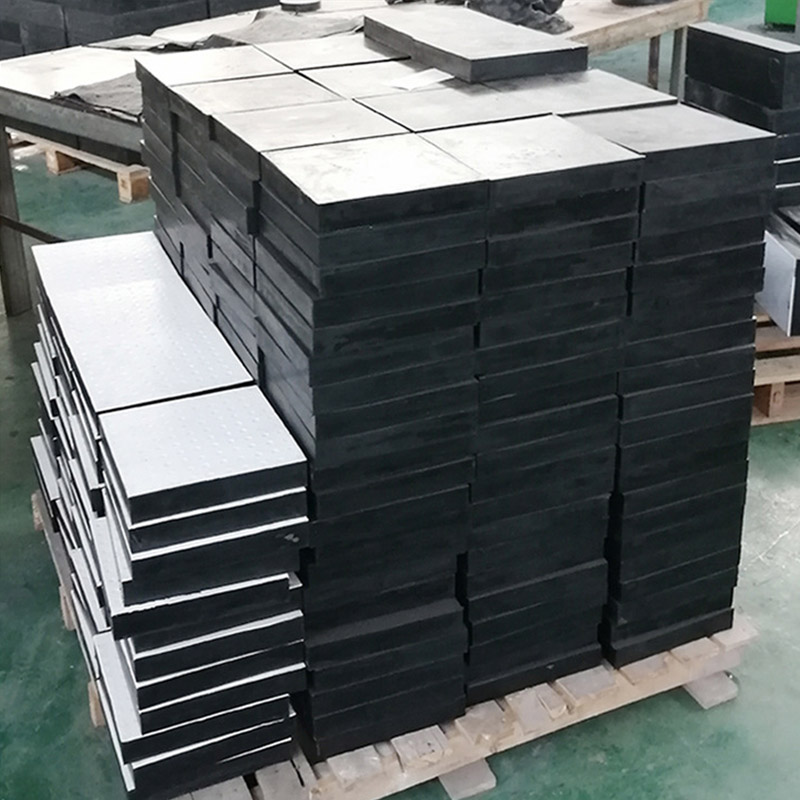 Why Do Some Bridge Bearing Pads Fail in Five Years While Others Last Fifty? A Root-Cause Analysis
 How Much Load Can a Bridge Bearing Pad Actually Carry? Engineering Data for Safe Girder Support
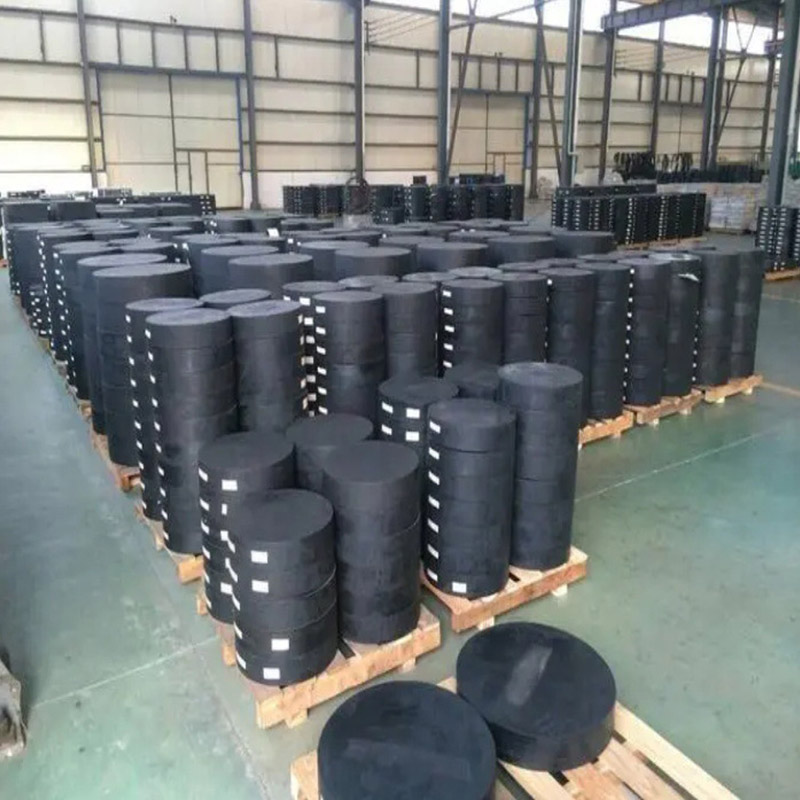 Is Your Bridge Bearing Pad Specified for the Wrong Rubber Grade? Why Elastomeric Bridge Bearing Pad Selection Decides 50-Year Deck Life
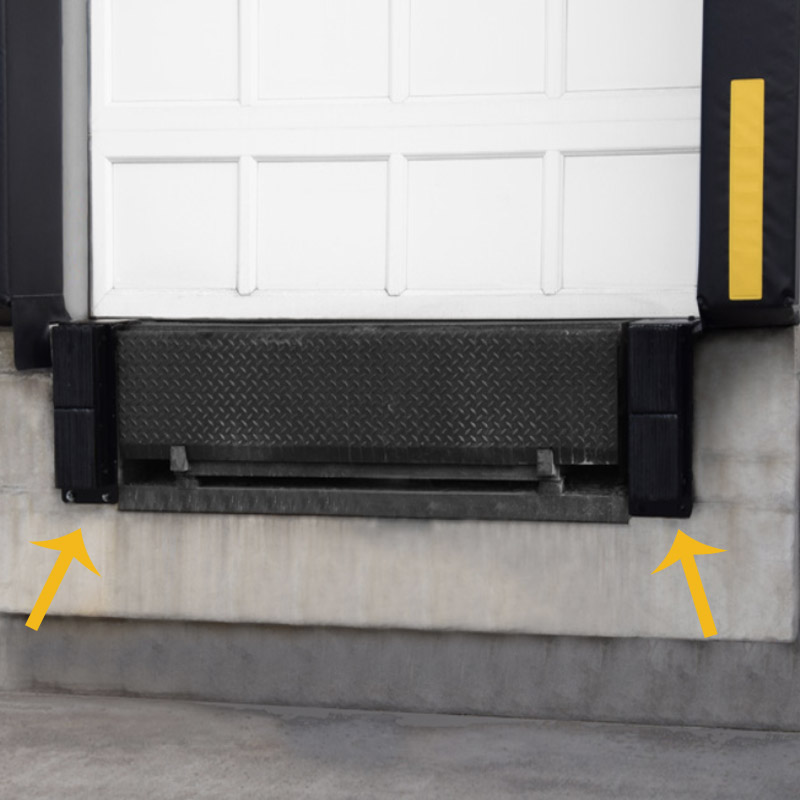 Can a Loading Dock Bumper Survive -30°C Winters and +50°C Summers? Here Is the Extreme-Weather Data