
In the intricate and demanding realm of aerospace engineering, every component must meet rigorous standards of reliability, durability, and safety. Among the myriad of parts that constitute an aircraft's fuel system, rubber plugs may seem inconspicuous, yet they play a critical role in ensuring the integrity and functionality of these systems. This article delves into the technical nuances of utilizing rubber plugs in aerospace fuel systems, providing valuable insights and practical tips for engineers and technicians involved in the design, maintenance, and repair of such systems.
Understanding the Role of Rubber Plugs
Rubber plugs are employed in aerospace fuel systems for a variety of purposes, including sealing off fuel lines during maintenance, capping unused ports, and acting as temporary or permanent stoppers in various components. Their primary function is to prevent fuel leakage, contamination, and the ingress of foreign matter, which could compromise the performance and safety of the aircraft.
Given the extreme conditions under which aerospace fuel systems operate, including wide temperature fluctuations, high pressures, and exposure to corrosive fuels, the selection and application of rubber plugs must be approached with meticulous attention to detail. The material composition, design, and installation process of these plugs are crucial factors that determine their effectiveness and longevity.
Material Considerations
Compatibility with Fuels: The rubber material must be compatible with the type of fuel used in the aircraft. Aviation fuels, such as Jet A-1 and Avgas, contain additives that can degrade certain rubber compounds over time. Therefore, it is essential to choose a rubber formulation that exhibits good resistance to fuel swelling, permeation, and chemical attack.
Temperature Resistance: Aerospace fuel systems are subjected to temperatures ranging from extremely low (during high-altitude flights) to relatively high (due to engine heat). The rubber plug material must retain its elastic properties and sealing capability across this temperature range, without hardening, softening, or becoming brittle.
Mechanical Properties: The plug must possess adequate tensile strength, elongation, and tear resistance to withstand the mechanical stresses encountered during installation, operation, and removal. It should also be able to conform to the shape of the port or line it is sealing, ensuring a tight and secure fit.
Aging Resistance: The rubber material should have good resistance to ozone, ultraviolet light, and other environmental factors that can accelerate aging and degradation. This ensures that the plug maintains its sealing properties over the service life of the aircraft.
Design Features
Shape and Size: The design of the rubber plug must match the specific application requirements. It should fit snugly into the port or line, without being too tight (which could cause installation difficulties or damage) or too loose (which could result in leakage). Custom shapes and sizes may be necessary to accommodate unique sealing needs.
Surface Finish: The surface of the rubber plug should be smooth and free of defects that could compromise the seal or provide a pathway for fuel leakage. A rough or uneven surface can create micro-channels that allow fuel to seep past the plug.
Reinforcement: In some applications, reinforcing elements such as fabric or wire inserts may be incorporated into the rubber plug to enhance its strength and resistance to extrusion under pressure.
Installation Best Practices
Cleanliness: Before installing the rubber plug, ensure that the port or line is thoroughly cleaned and free of debris, dirt, and old sealant residues. Contaminants can interfere with the sealing surface, leading to leaks.
Lubrication: In cases where the plug is difficult to install due to tight tolerances, a compatible lubricant can be applied to the surface of the plug. This helps to reduce friction and prevent damage to the rubber material.
Proper Tooling: Use the correct tools and techniques for installing the rubber plug. Avoid using excessive force, as this can distort the plug or damage the port. In some instances, specialized tools may be required to achieve the proper fit and sealing pressure.
Inspection and Testing: After installation, inspect the rubber plug and the surrounding area for any signs of leakage or improper fit. Perform pressure tests, as specified by the aircraft manufacturer, to verify the integrity of the seal.
Maintenance and Replacement
Regular Inspections: Incorporate rubber plugs into the aircraft's regular maintenance schedule. Inspect them for signs of wear, cracking, swelling, or hardening, which could indicate the need for replacement.
Replacement Criteria: Establish clear criteria for when a rubber plug should be replaced. This may include a specified number of flight cycles, exposure to extreme temperatures, or evidence of degradation.
Documentation: Keep detailed records of rubber plug inspections, replacements, and any related maintenance activities. This information is valuable for tracking the service life of the plugs and ensuring compliance with regulatory requirements.
Training: Ensure that all personnel involved in the maintenance and repair of aerospace fuel systems are adequately trained in the proper use, inspection, and replacement of rubber plugs. This helps to prevent errors and ensures consistent adherence to best practices.
Rubber plugs may be small, but their importance in aerospace fuel systems cannot be overstated. By carefully selecting the right material, designing the plug to meet specific application requirements, following best practices for installation, and implementing a robust maintenance program, engineers and technicians can ensure that these unassuming components perform their critical functions reliably and safely.
In the aerospace industry, where the stakes are immeasurably high, attention to detail is paramount. By adhering to the technical tips outlined in this article, professionals can mitigate the risks associated with fuel system leaks, contamination, and component failure, ultimately contributing to the safe and efficient operation of aircraft. As technology advances and new materials become available, the ongoing evaluation and adoption of these innovations will further enhance the performance and reliability of rubber plugs in aerospace fuel systems.
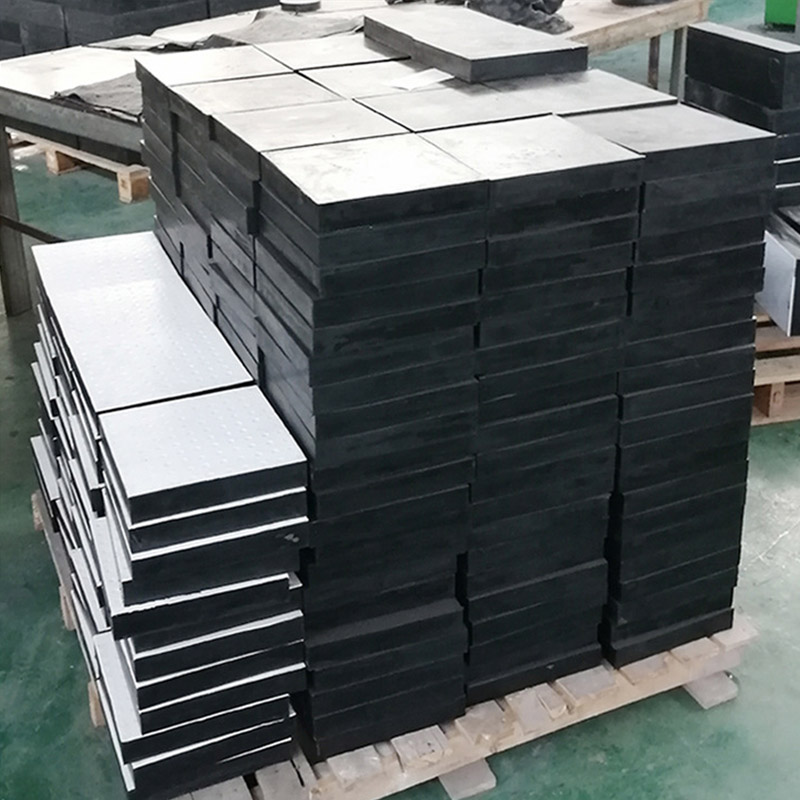 Why Do Some Bridge Bearing Pads Fail in Five Years While Others Last Fifty? A Root-Cause Analysis
 How Much Load Can a Bridge Bearing Pad Actually Carry? Engineering Data for Safe Girder Support
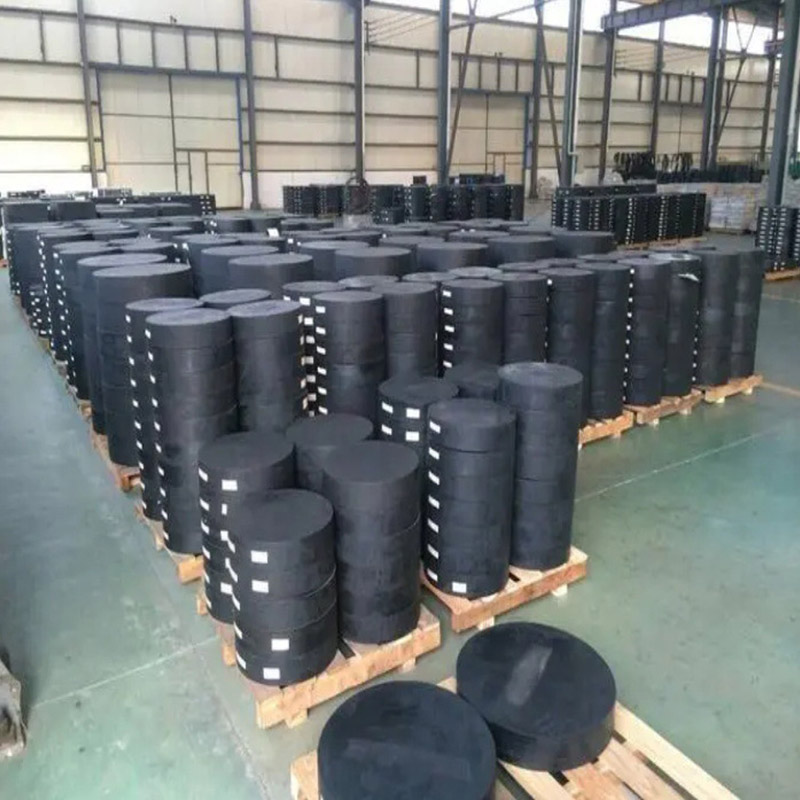 Is Your Bridge Bearing Pad Specified for the Wrong Rubber Grade? Why Elastomeric Bridge Bearing Pad Selection Decides 50-Year Deck Life
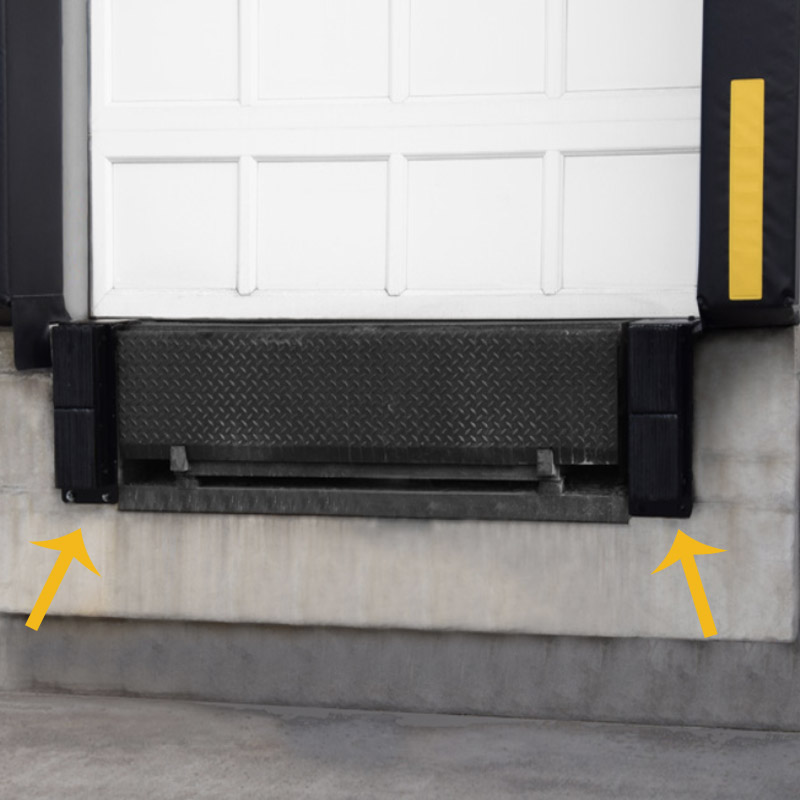 Can a Loading Dock Bumper Survive -30°C Winters and +50°C Summers? Here Is the Extreme-Weather Data