
Water filtration systems are indispensable in modern households, providing clean and safe drinking water by removing impurities and contaminants. A crucial yet often overlooked component of these systems is the rubber plug. This unassuming part plays a vital role in ensuring the system's efficiency and longevity. Whether it's sealing connections, preventing leaks, or maintaining pressure, the rubber plug is an essential element that demands careful consideration. This article will guide you through the process of selecting the best rubber plug for your water filtration system, focusing on material, size, durability, compatibility, and other pertinent factors.
Understanding the Importance of Rubber Plugs
Rubber plugs are used in various parts of a water filtration system, including faucet connections, housing seals, and tube fittings. Their primary function is to create a watertight seal, preventing any leakage that could compromise the system's performance. A well-chosen rubber plug not only ensures the system operates smoothly but also extends its lifespan by protecting against water damage and corrosion.
Materials Matter: Choosing the Right Rubber Compound
The first step in selecting a rubber plug is to consider the material. Different rubber compounds offer varying levels of durability, chemical resistance, and temperature tolerance. Here are some common materials used in rubber plugs for water filtration systems:
EPDM (Ethylene Propylene Diene Monomer): Known for its excellent resistance to heat, ozone, and weathering, EPDM is a popular choice for outdoor applications. It provides good sealing properties and is relatively inexpensive.
NBR (Nitrile Butadiene Rubber): NBR is highly resistant to oils, fuels, and many chemicals. It's an ideal choice for systems where the water might contain trace amounts of these substances. However, it's less effective in high-temperature environments.
Silicone: Silicone rubber offers superior temperature resistance, with the ability to withstand extreme heat and cold. It's also highly flexible and has excellent resistance to ozone and UV radiation. Silicone is often used in applications where a high degree of purity is required, as it's non-toxic and doesn't leach chemicals into the water.
FKM (Fluoroelastomer): FKM, also known as Viton, is highly resistant to chemicals, oils, and high temperatures. It's a premium choice for demanding applications where extreme conditions are expected.
When selecting the material, consider the specific conditions your water filtration system will be exposed to. For instance, if the system is installed outdoors, EPDM or silicone might be the best choice due to their weather resistance. If the water source contains chemicals or oils, NBR or FKM would be more suitable.
Size and Fit: Ensuring a Perfect Seal
The size of the rubber plug is another critical factor. A plug that's too small will fail to create a proper seal, while one that's too large can cause damage to the fitting or even the entire system. To determine the correct size, measure the diameter of the opening where the plug will be installed. It's also essential to consider the thickness of the rubber plug, as this can affect its ability to compress and form a tight seal.
When in doubt, consult the manufacturer's specifications for your water filtration system. They often provide detailed information on the required plug sizes and types. Additionally, some manufacturers offer custom-sized plugs to ensure a perfect fit.
Durability and Longevity: Investing in Quality
Durability is a key consideration when selecting a rubber plug. A high-quality plug will withstand the constant pressure and wear and tear associated with daily use, reducing the need for frequent replacements. Look for plugs made from durable materials with a proven track record of longevity.
Another aspect of durability is the plug's resistance to degradation. Over time, rubber can harden, crack, or become brittle, especially when exposed to harsh chemicals or extreme temperatures. Choosing a material with good resistance to these factors will help maintain the plug's integrity and extend its lifespan.
Compatibility with Your Water Filtration System
It's essential to ensure that the rubber plug you select is compatible with your specific water filtration system. Some systems may have unique requirements or use proprietary fittings that necessitate specific types of plugs. Always check the manufacturer's recommendations to avoid compatibility issues.
Furthermore, consider the system's operating pressure. A rubber plug that's not rated for the system's maximum pressure could fail, leading to leaks and potential water damage. Ensure the plug you choose can handle the system's pressure requirements without compromising its sealing capabilities.
Ease of Installation and Maintenance
A good rubber plug should be easy to install and remove for maintenance or repairs. Look for plugs with a design that allows for quick and effortless installation without the need for special tools or extensive knowledge. Additionally, consider how easy it is to clean and inspect the plug, as regular maintenance is crucial for maintaining the system's performance.
Cost vs. Value: Finding the Right Balance
While cost is always a consideration, it shouldn't be the sole determining factor when selecting a rubber plug. A cheaper plug might save you money initially, but if it fails prematurely or causes leaks, the long-term costs could be significantly higher. Investing in a high-quality plug might cost more upfront, but it will provide better performance, durability, and peace of mind.
When evaluating cost vs. value, consider the plug's lifespan, ease of maintenance, and potential impact on the system's overall performance. A well-chosen plug can save you money in the long run by reducing the need for repairs and replacements.
Selecting the best rubber plug for your water filtration system requires careful consideration of several factors, including material, size, durability, compatibility, ease of installation, and cost. By understanding the specific needs of your system and the conditions it will be exposed to, you can make an informed decision that ensures optimal performance and longevity.
Remember, the rubber plug might be a small component, but it plays a crucial role in the efficiency and reliability of your water filtration system. Don't overlook its importance, and take the time to choose a plug that meets all your requirements. With the right rubber plug, you can enjoy clean, safe drinking water and the peace of mind that comes with a well-maintained water filtration system.
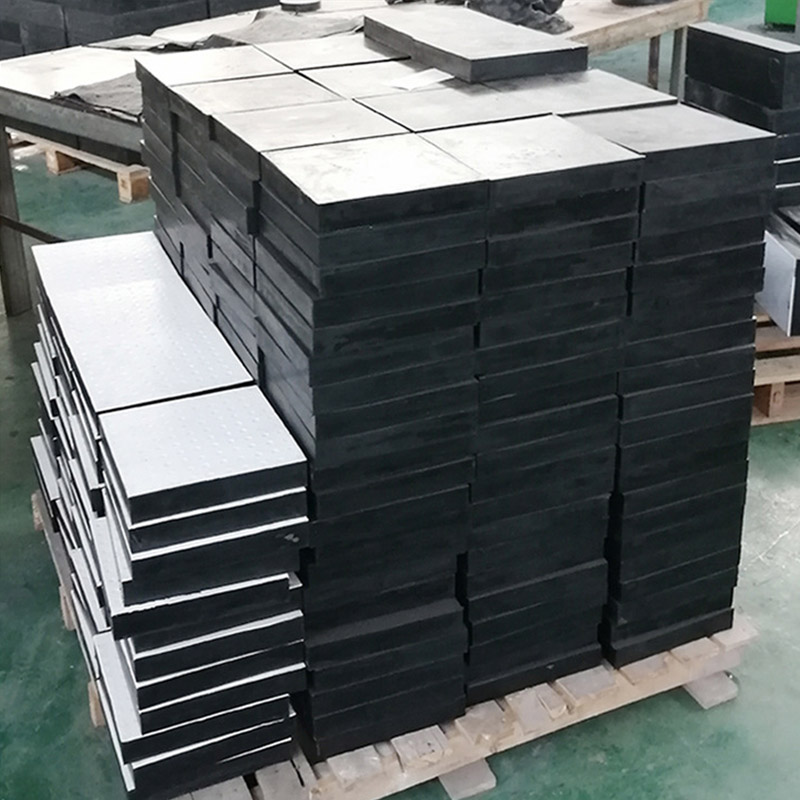 Why Do Some Bridge Bearing Pads Fail in Five Years While Others Last Fifty? A Root-Cause Analysis
 How Much Load Can a Bridge Bearing Pad Actually Carry? Engineering Data for Safe Girder Support
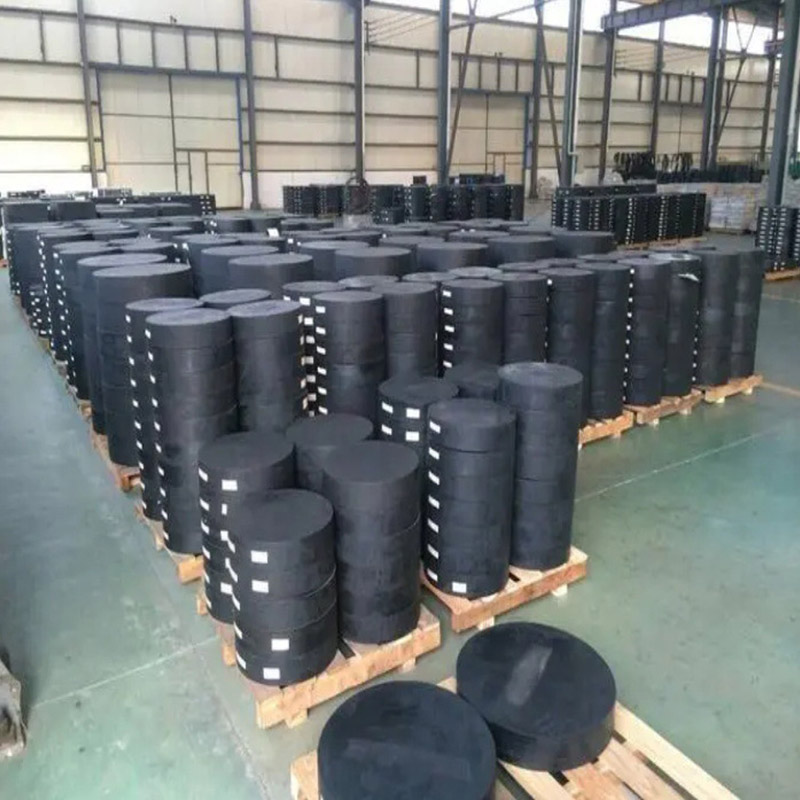 Is Your Bridge Bearing Pad Specified for the Wrong Rubber Grade? Why Elastomeric Bridge Bearing Pad Selection Decides 50-Year Deck Life
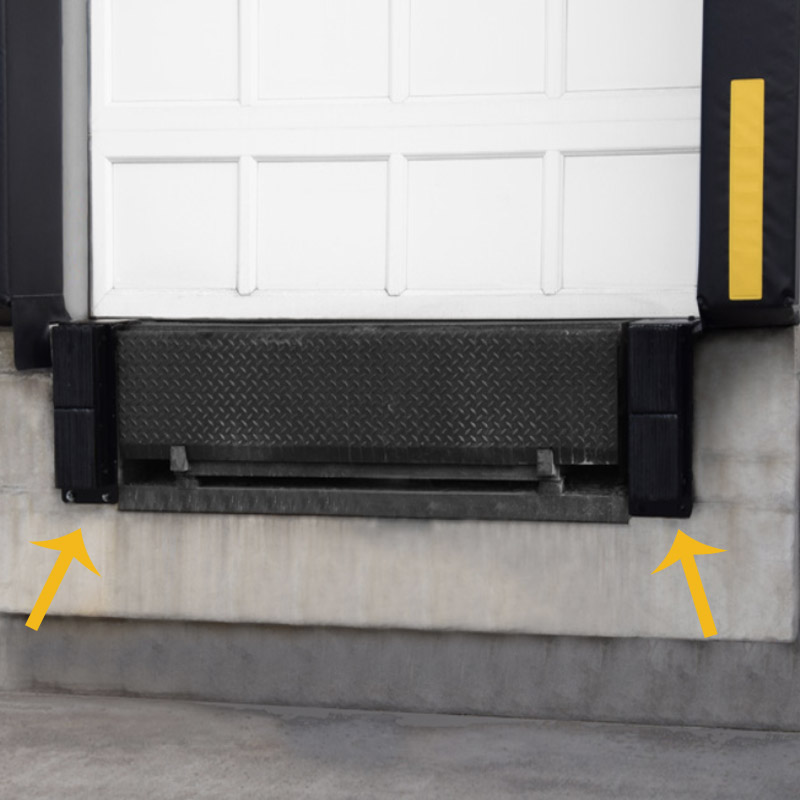 Can a Loading Dock Bumper Survive -30°C Winters and +50°C Summers? Here Is the Extreme-Weather Data