
In various industrial, laboratory, and household applications, rubber plugs serve as essential components for sealing containers, pipes, and other vessels to prevent leakage and contamination. The compatibility of rubber plugs with the fluids they are intended to seal is crucial for maintaining system integrity, ensuring safety, and preventing costly downtimes or product losses. However, selecting the right rubber plug for a specific fluid can be challenging due to the wide range of materials and fluid properties involved. This article outlines key considerations and steps to ensure that rubber plugs are compatible with your fluids.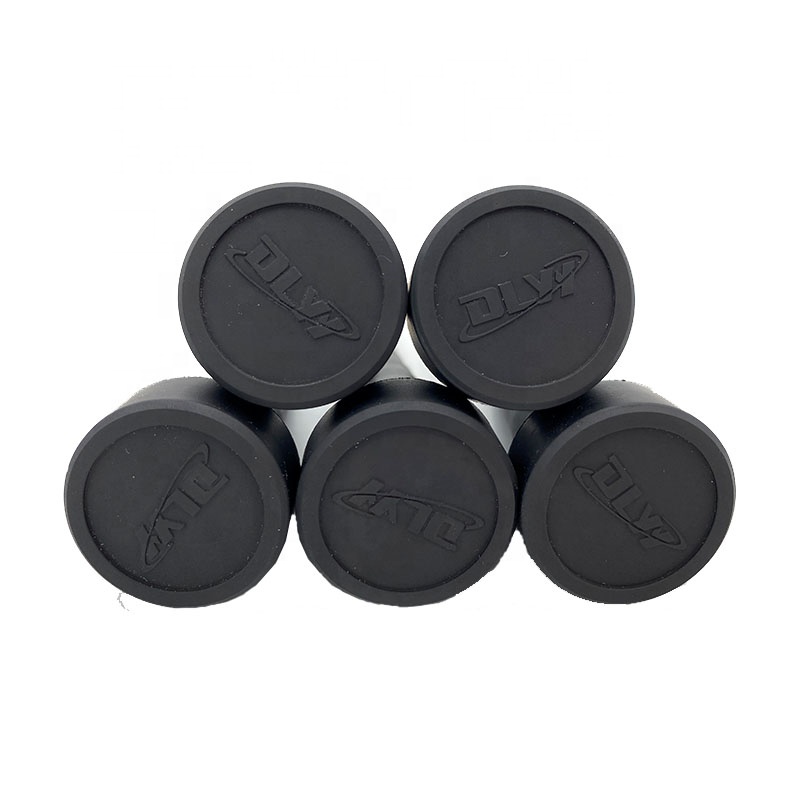
Understand the Properties of Your Fluid
The first step in ensuring compatibility is to thoroughly understand the properties of the fluid that the rubber plug will come into contact with. Fluids can vary significantly in terms of their chemical composition, temperature, pressure, viscosity, and other characteristics. Here are some critical fluid properties to consider:
Chemical Composition: Knowing the chemical makeup of the fluid is vital because different chemicals can react differently with rubber materials. Some fluids may contain acids, bases, solvents, or other components that can degrade or swell rubber.
Temperature: The operating temperature of the fluid is another critical factor. Rubber materials have specific temperature ratings, and exceeding these limits can cause the rubber to harden, soften, or even melt.
Pressure: The pressure under which the fluid is stored or transported can affect the sealing capability of the rubber plug. High pressures may require rubber materials with higher tensile strength and compression set resistance.
Viscosity: The thickness or thinness of the fluid can impact how the rubber plug seals against it. High-viscosity fluids may require a tighter seal, while low-viscosity fluids may demand a more flexible and adaptable rubber material.
Other Properties: Depending on the application, other fluid properties such as conductivity, corrosiveness, and flammability may also need to be considered.
Choose the Right Rubber Material
Once you have a clear understanding of the fluid properties, the next step is to select a rubber material that is compatible with those properties. There are numerous rubber materials available, each with its own set of characteristics and compatibility ratings. Some common rubber materials and their general properties include:
Natural Rubber (NR): Known for its elasticity, tear resistance, and good abrasion resistance. It is compatible with many fluids but can be degraded by oils, hydrocarbons, and some chemicals.
Nitrile Rubber (NBR): Offers good resistance to oils, fuels, and greases. It is commonly used in automotive and industrial applications where exposure to these fluids is likely.
Ethylene Propylene Diene Monomer (EPDM): Excellent resistance to water, steam, and many chemicals. It is often used in outdoor applications due to its weathering and ozone resistance.
Silicone Rubber (VMQ): Highly resistant to high temperatures and a wide range of chemicals. It is commonly used in medical and food-grade applications due to its non-toxic properties.
Fluoroelastomer (FKM): Known for its exceptional resistance to high temperatures, oils, fuels, and many aggressive chemicals. It is often used in demanding industrial applications.
When selecting a rubber material, it is essential to consult compatibility charts or guides provided by rubber manufacturers. These resources can help you match the rubber material to the specific fluid and its properties.
Consider the Application Requirements
In addition to fluid properties and rubber material compatibility, the specific requirements of the application must also be taken into account. Here are some factors to consider:
Seal Durability: Determine how long the rubber plug needs to maintain its seal. Some applications may require long-term sealing, while others may only need short-term solutions.
Environmental Conditions: Assess the environmental conditions that the rubber plug will be exposed to. Factors such as temperature fluctuations, moisture, UV exposure, and mechanical stress can all affect the performance of the rubber plug.
Installation and Removal: Consider how easy or difficult it will be to install and remove the rubber plug. Some rubber materials may be more prone to tearing or deformation during installation or removal.
Regulatory Compliance: Ensure that the rubber plug and its material comply with any relevant regulations or standards for the specific application. This may include food-grade certifications, environmental regulations, or industry-specific standards.
Testing for Compatibility
Even with a thorough understanding of fluid properties and rubber material compatibility, it is often advisable to conduct testing to confirm compatibility. This can be especially important for critical applications where failure is not an option. Here are some testing methods:
Immersion Testing: Expose samples of the rubber plug material to the fluid for a specified period. Observe any changes in the rubber's appearance, texture, or mechanical properties.
Pressure Testing: Subject the rubber plug to the expected operating pressure while in contact with the fluid. Check for leaks or deformation that could indicate incompatibility.
Temperature Cycling: Expose the rubber plug to cycles of temperature changes that simulate the expected operating conditions. Evaluate the plug's performance and appearance after each cycle.
Chemical Analysis: Analyze the fluid before and after exposure to the rubber plug for any signs of contamination or chemical reaction.
By conducting these tests, you can gain confidence in the compatibility of the rubber plug with your fluid and ensure that it will perform as expected in the real-world application.
Ensuring that rubber plugs are compatible with your fluids is a multi-step process that involves understanding fluid properties, choosing the right rubber material, considering application requirements, and conducting compatibility testing. By following these steps, you can select a rubber plug that will provide a reliable seal, prevent leakage and contamination, and ensure the safe and efficient operation of your system. Whether you are working in an industrial setting, a laboratory, or a household environment, taking the time to ensure compatibility will pay off in the long run.
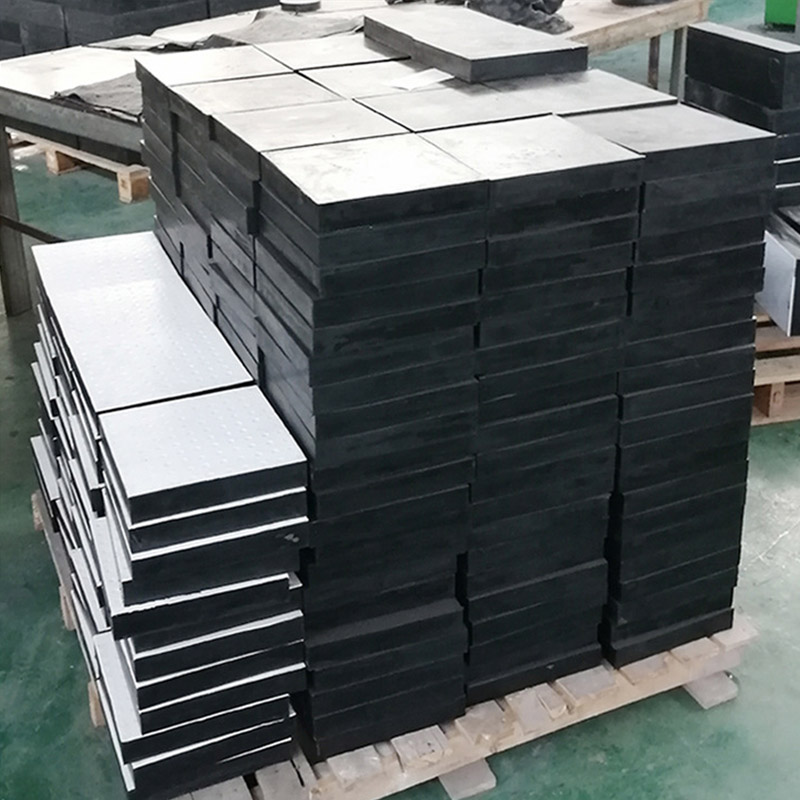 Why Do Some Bridge Bearing Pads Fail in Five Years While Others Last Fifty? A Root-Cause Analysis
 How Much Load Can a Bridge Bearing Pad Actually Carry? Engineering Data for Safe Girder Support
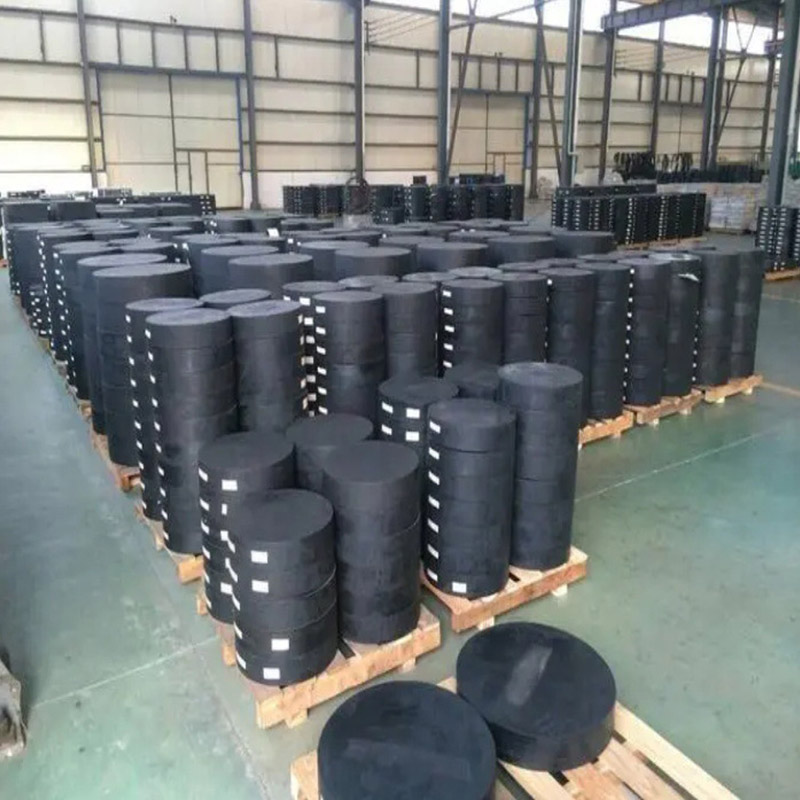 Is Your Bridge Bearing Pad Specified for the Wrong Rubber Grade? Why Elastomeric Bridge Bearing Pad Selection Decides 50-Year Deck Life
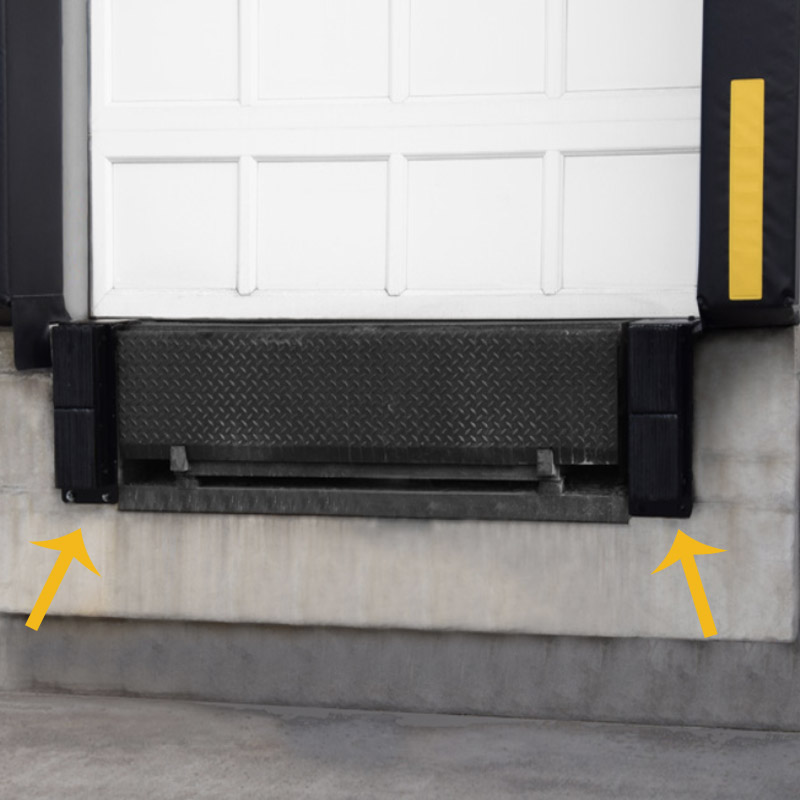 Can a Loading Dock Bumper Survive -30°C Winters and +50°C Summers? Here Is the Extreme-Weather Data