
Rubber plugs, though seemingly unassuming components, play a crucial role in various industries, from automotive and aerospace to plumbing and electronics. They are designed to seal openings, prevent leakage, and protect sensitive parts from environmental contaminants. Given their widespread application and the critical functions they serve, it is imperative that rubber plugs meet all relevant regulatory requirements. This ensures not only the reliability and performance of the products they are used in but also public safety and environmental protection. Here’s a comprehensive guide on how to ensure rubber plugs meet regulatory requirements.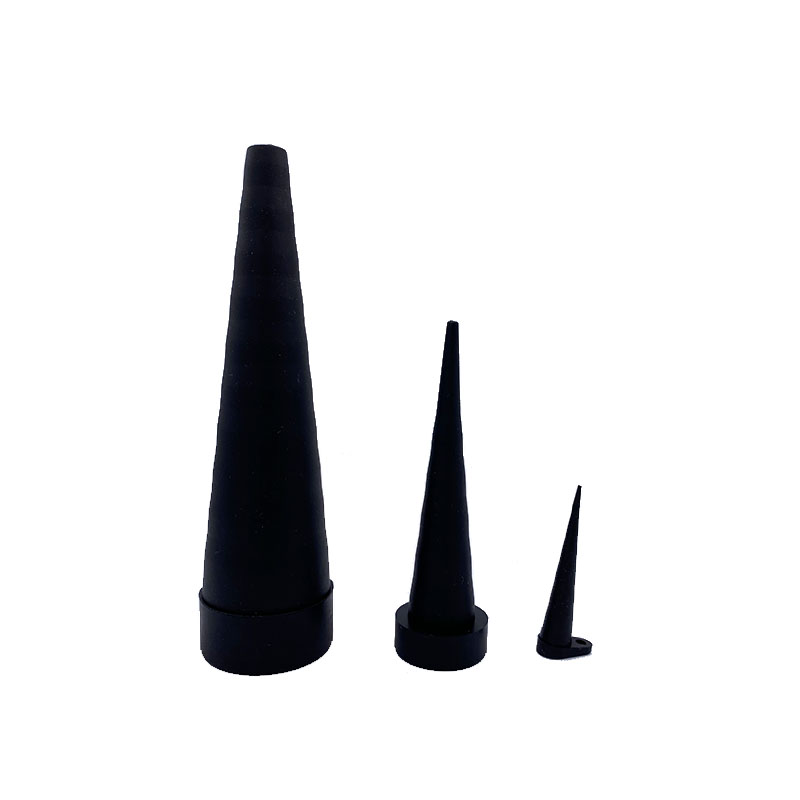
Understanding Regulatory Requirements
The first step in ensuring rubber plugs meet regulatory standards is to have a thorough understanding of these requirements. Regulatory frameworks can vary significantly depending on the industry, geographical location, and intended use of the product. In general, regulations for rubber plugs may encompass aspects such as material composition, dimensional accuracy, durability, chemical resistance, and environmental impact.
For instance, in the automotive industry, rubber plugs must comply with standards set by regulatory bodies like the International Organization for Standardization (ISO) or regional equivalents. These standards often specify the types of materials that can be used, the mechanical properties the plugs must exhibit, and the testing procedures that must be followed to verify compliance.
Similarly, in the plumbing sector, rubber plugs must adhere to regulations related to water tightness, resistance to corrosion, and compatibility with different pipe materials and fluids. Environmental regulations may also dictate that the materials used in the plugs are recyclable or biodegradable.
Selecting the Right Material
Material selection is a critical factor in ensuring rubber plugs meet regulatory requirements. The chosen material must possess the necessary physical, chemical, and mechanical properties for the intended application. Common materials for rubber plugs include natural rubber, synthetic rubbers like nitrile (NBR), ethylene propylene diene monomer (EPDM), and silicone, among others.
When selecting a material, consider factors such as temperature resistance, chemical compatibility, elasticity, and hardness. For example, if the plug will be exposed to high temperatures, a material with good thermal stability, such as silicone, would be appropriate. If the plug needs to resist oils and solvents, nitrile rubber might be the best choice.
It is also essential to ensure that the selected material complies with any restrictions on hazardous substances. Many regions have regulations limiting the use of certain chemicals, such as phthalates or heavy metals, in products that come into contact with humans or the environment.
Design and Manufacturing Process
The design and manufacturing process of rubber plugs must also align with regulatory requirements. The design should be optimized for functionality, ease of use, and durability while considering the manufacturing constraints and cost-effectiveness.
During the design phase, engineers should use computer-aided design (CAD) software to create precise models of the plugs. These models can then be used to generate detailed specifications for the manufacturing process, including dimensions, tolerances, and material requirements.
The manufacturing process itself must adhere to strict quality control measures. This includes controlling the processing parameters, such as temperature, pressure, and cure time, to ensure consistent product quality. Manufacturers should also implement a robust quality assurance program that includes regular inspections, testing, and documentation of the production process.
Testing and Verification
Testing is a crucial step in verifying that rubber plugs meet regulatory requirements. A variety of tests may be necessary, depending on the specific regulations and the intended use of the plugs. These tests can include:
Dimensional Testing: To ensure the plugs fit correctly and function as intended, they must be measured to verify that they meet the specified dimensions and tolerances.
Material Testing: This involves analyzing the composition of the rubber to confirm it meets the required standards for material content, such as the absence of prohibited substances.
Mechanical Testing: Tests such as tensile strength, elongation, and compression set are conducted to assess the plugs' mechanical properties.
Environmental Testing: Depending on the application, the plugs may need to be tested for resistance to UV exposure, ozone, water, and chemicals.
Performance Testing: This includes tests to evaluate the plugs' ability to seal effectively, withstand pressure, and resist leakage.
It is important to note that testing should be performed by accredited laboratories following recognized standards and procedures. The results of these tests should be documented and made available for regulatory review.
Compliance Documentation
Maintaining thorough documentation is essential for demonstrating compliance with regulatory requirements. This documentation should include:
Material safety data sheets (MSDS) for the rubber materials used.
Test reports from accredited laboratories.
Quality control records, including inspection reports and production logs.
Design specifications and drawings.
Certificates of compliance or conformity issued by regulatory bodies or third-party certifiers.
Having this documentation readily available not only facilitates regulatory audits but also instills confidence in customers and end-users that the rubber plugs meet all necessary standards.
Ensuring ongoing compliance with regulatory requirements is an ongoing process. Manufacturers should continuously monitor changes in regulations and update their products and processes accordingly. This may involve periodic reviews of material specifications, testing procedures, and quality control measures.
Additionally, manufacturers should encourage a culture of continuous improvement, seeking out new materials, technologies, and manufacturing methods that can enhance the performance and compliance of their rubber plugs. By staying abreast of industry trends and regulatory changes, manufacturers can maintain a competitive edge while ensuring their products meet the highest standards of quality and safety.
Ensuring that rubber plugs meet regulatory requirements is a multifaceted process that involves understanding and adhering to complex regulatory frameworks, selecting the right materials, designing and manufacturing the plugs to exacting standards, conducting rigorous testing, and maintaining comprehensive documentation. By following these guidelines, manufacturers can produce rubber plugs that not only meet but exceed regulatory standards, ensuring the reliability, safety, and environmental responsibility of their products. This commitment to excellence not only benefits the manufacturer but also enhances consumer trust and protects public health and the environment.
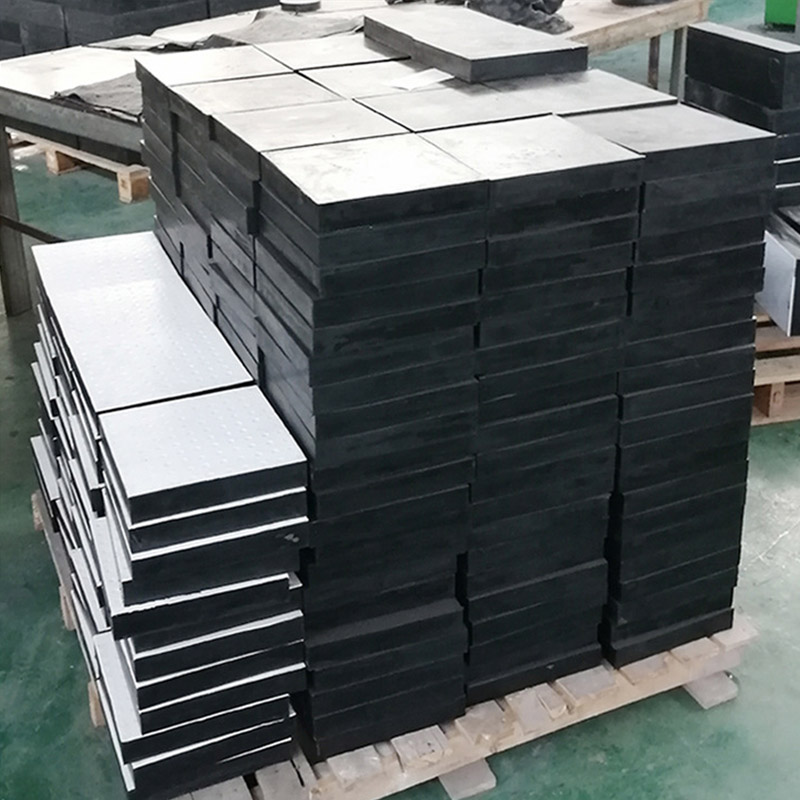 Why Do Some Bridge Bearing Pads Fail in Five Years While Others Last Fifty? A Root-Cause Analysis
 How Much Load Can a Bridge Bearing Pad Actually Carry? Engineering Data for Safe Girder Support
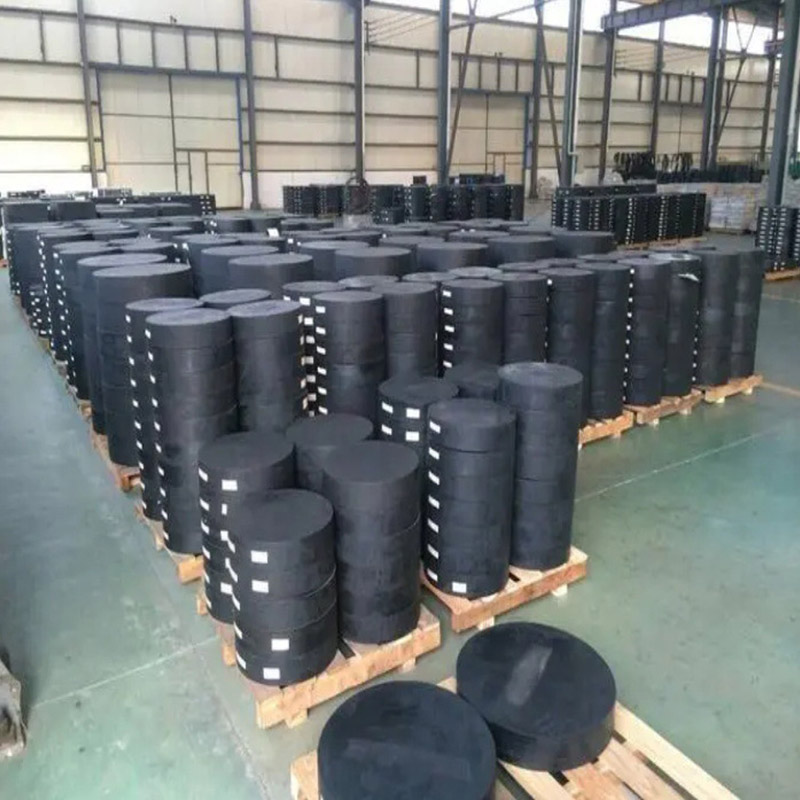 Is Your Bridge Bearing Pad Specified for the Wrong Rubber Grade? Why Elastomeric Bridge Bearing Pad Selection Decides 50-Year Deck Life
 Can a Loading Dock Bumper Survive -30°C Winters and +50°C Summers? Here Is the Extreme-Weather Data