
In the realm of industrial applications, rubber plugs serve as unsung heroes, quietly fulfilling their duties in a multitude of environments. From sealing pipelines to protecting threaded holes during transportation, these unassuming components play a critical role in maintaining the integrity and functionality of various systems. One of the key attributes that sets effective rubber plugs apart is their flexibility. This seemingly simple characteristic is, in fact, a cornerstone of their versatility and efficacy. In this exploration, we delve into the significance of rubber plug flexibility, examining how it influences performance, durability, and adaptability across diverse applications.
The Essence of Flexibility
Flexibility, in the context of rubber plugs, refers to their ability to deform and return to their original shape without sustaining permanent damage. This elasticity is inherent to the material composition and molecular structure of rubbers, which are designed to balance strength, resilience, and pliability. The flexibility of a rubber plug is crucial because it enables the component to conform to irregular surfaces, withstand mechanical stress, and maintain a tight seal under varying conditions.
Adaptability in Sealing
One of the primary functions of rubber plugs is to provide a reliable seal. Whether sealing a pipe joint, a container lid, or any other opening, the plug must adapt to the contour of the surface it is sealing. A flexible rubber plug can deform slightly to fill gaps and irregularities, ensuring a snug fit that prevents leaks. This adaptability is particularly important in applications where the sealing surface may not be perfectly flat or where dimensional tolerances are tight. For instance, in plumbing systems, rubber plugs are often used to temporarily seal pipes during maintenance or repairs. Their flexibility allows them to accommodate minor diameter variations and surface imperfections, creating a watertight seal that prevents fluid leakage.
Resistance to Mechanical Stress
In industrial settings, rubber plugs are frequently subjected to mechanical stress, including compression, tension, and torsion. A flexible plug can absorb and distribute these forces more effectively, reducing the risk of cracking, tearing, or losing its shape. This resilience is vital in applications where the plug may be repeatedly installed and removed, such as in threaded holes of machinery during transportation or storage. The ability to withstand repeated stress without degradation ensures that the plug remains functional and reliable over its intended service life.
Environmental Durability
Rubber plugs are often exposed to harsh environmental conditions, including extreme temperatures, chemicals, and moisture. Flexibility enhances their durability in such environments by allowing them to expand or contract slightly in response to temperature fluctuations without compromising their seal or structural integrity. In chemical processing plants, for example, rubber plugs must withstand exposure to corrosive substances. A flexible plug can better resist chemical attack, maintaining its sealing properties and overall performance even after prolonged exposure.
Ease of Installation and Removal
The flexibility of rubber plugs also facilitates easier installation and removal. A pliable plug can be deformed temporarily to fit into tight spaces or around obstructions, making it simpler to insert and secure. This characteristic is particularly advantageous in confined or hard-to-reach areas where rigid components would be difficult to manipulate. Similarly, when it comes time to remove the plug, its flexibility allows it to be easily deformed and withdrawn without causing damage to the surrounding materials or the plug itself.
Versatility Across Applications
The versatility of rubber plugs stems largely from their flexibility. This attribute makes them suitable for a wide range of applications, from automotive and aerospace to marine and construction industries. In the automotive sector, flexible rubber plugs are used to seal holes in engine blocks during manufacturing and assembly, preventing contaminants from entering the engine. In aerospace, they are employed to protect sensitive components from moisture and debris during storage and transport. In marine environments, rubber plugs seal hatches and ports, withstanding the corrosive effects of saltwater.
Material Science and Flexibility
The flexibility of rubber plugs is a result of careful material selection and formulation. Rubber compounds can be tailored to exhibit specific properties by adjusting the polymer chain length, cross-linking density, and adding fillers or additives. For instance, increasing the cross-linking density can enhance the elasticity and tensile strength of the rubber, while adding certain fillers can improve its resistance to wear and tear. Manufacturers work closely with material scientists to develop rubber compounds that meet the specific requirements of different applications, ensuring optimal flexibility and performance.
Testing and Quality Assurance
To ensure that rubber plugs meet the required flexibility standards, they undergo rigorous testing and quality assurance procedures. These tests may include tensile strength tests, compression set tests, and flexural modulus tests, among others. Tensile strength tests measure the force required to break the rubber, while compression set tests evaluate the material's ability to recover its original shape after being compressed. Flexural modulus tests, on the other hand, determine the stiffness of the rubber under bending. By subjecting rubber plugs to these tests, manufacturers can verify their flexibility and overall performance, ensuring that they meet or exceed industry standards.
In conclusion, the flexibility of rubber plugs is a fundamental attribute that significantly influences their effectiveness and versatility across various applications. It enables them to adapt to irregular surfaces, withstand mechanical stress, resist environmental factors, and facilitate easy installation and removal. The careful selection and formulation of rubber compounds, coupled with rigorous testing and quality assurance procedures, ensure that rubber plugs exhibit the desired level of flexibility for their intended use. As industries continue to evolve, the importance of rubber plug flexibility will remain a critical factor in maintaining the integrity, functionality, and reliability of systems and components.
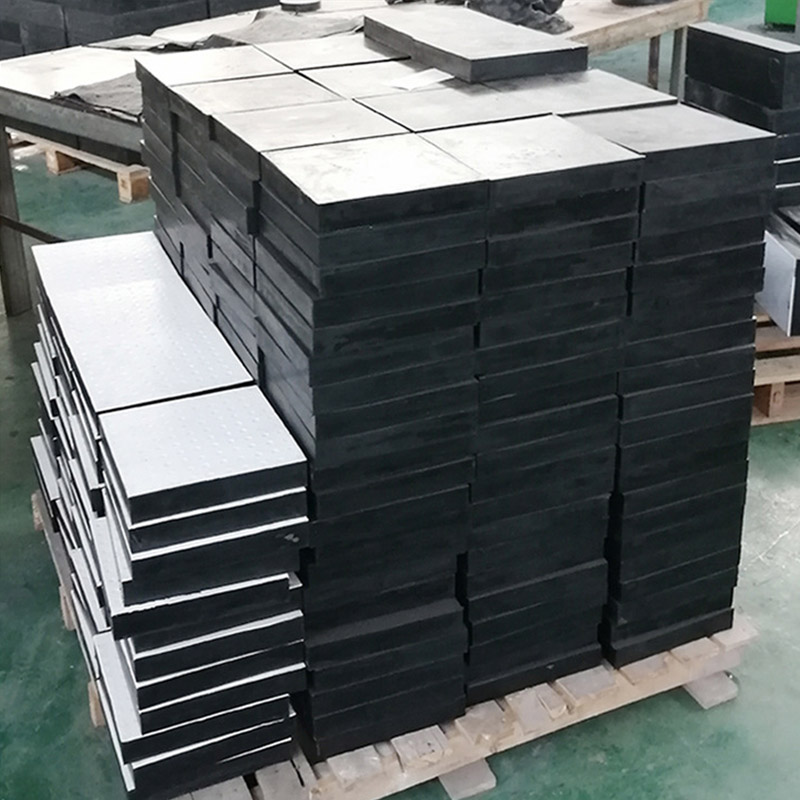 Why Do Some Bridge Bearing Pads Fail in Five Years While Others Last Fifty? A Root-Cause Analysis
 How Much Load Can a Bridge Bearing Pad Actually Carry? Engineering Data for Safe Girder Support
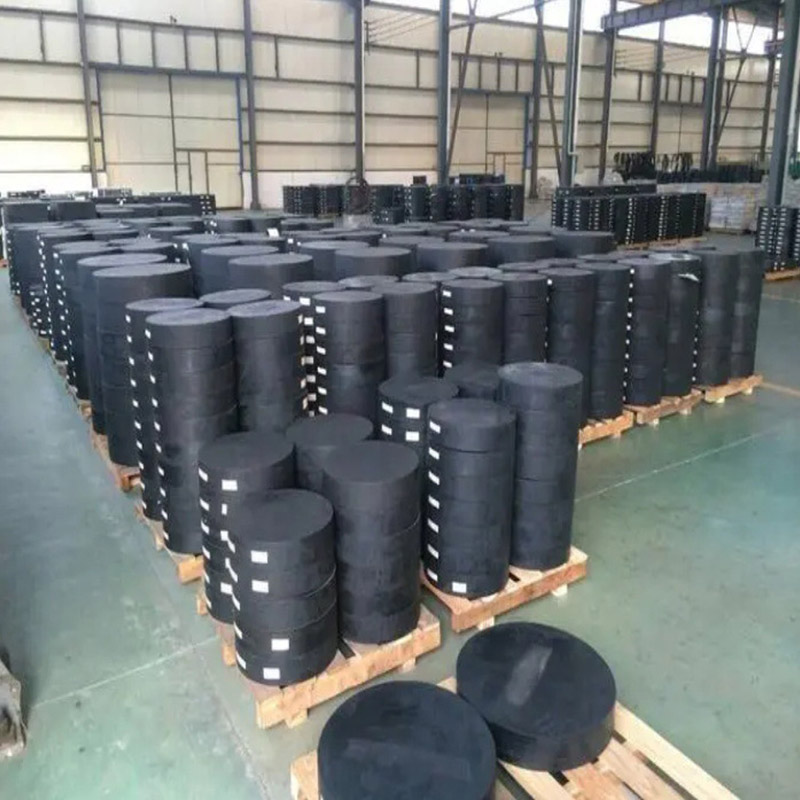 Is Your Bridge Bearing Pad Specified for the Wrong Rubber Grade? Why Elastomeric Bridge Bearing Pad Selection Decides 50-Year Deck Life
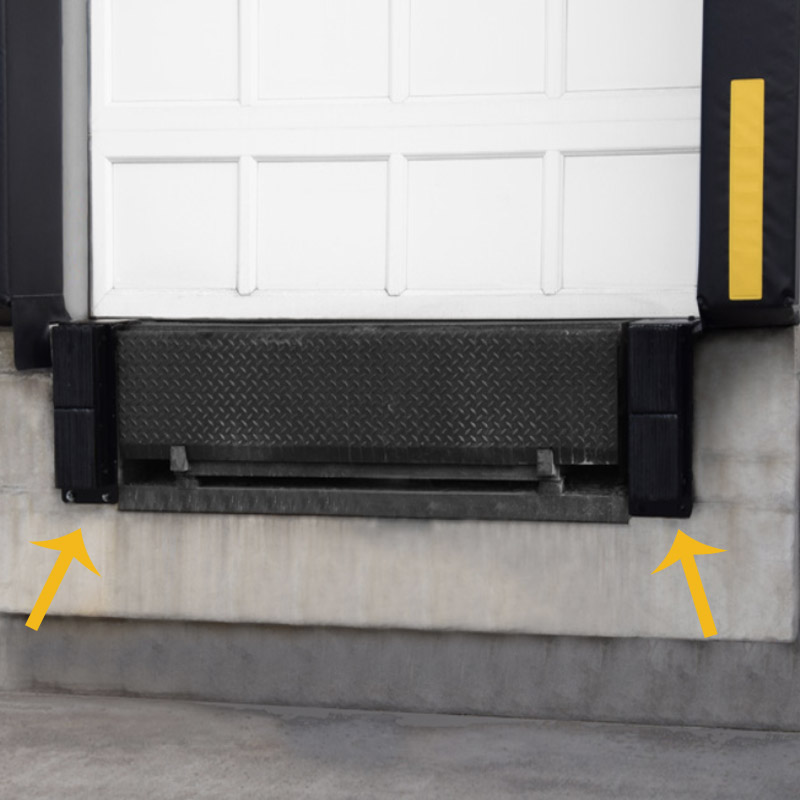 Can a Loading Dock Bumper Survive -30°C Winters and +50°C Summers? Here Is the Extreme-Weather Data